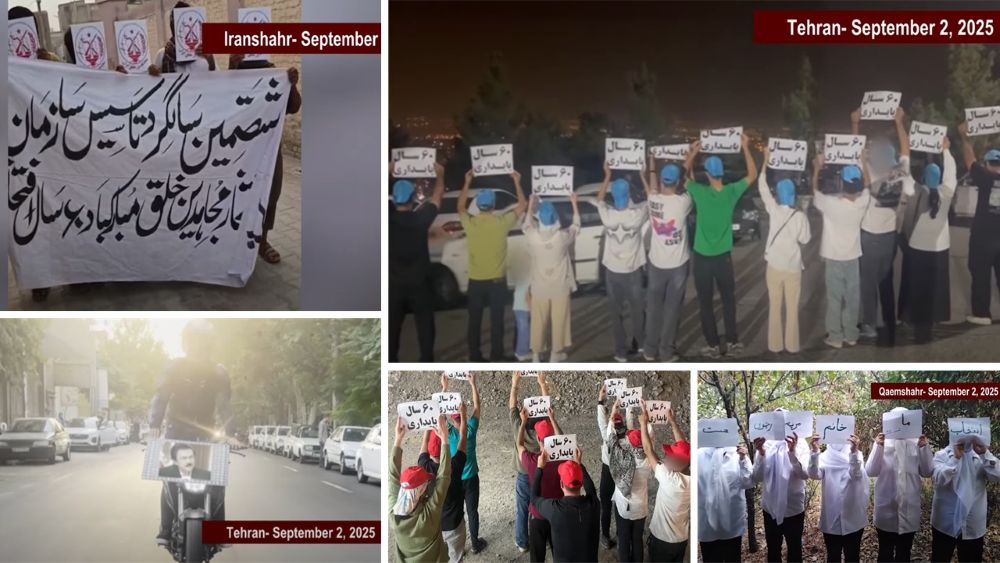
As Iran’s religious dictatorship intensifies repression—escalating executions, arrests, and brutal crackdowns—an often underreported force continues to grow and operate deep inside the country: the Resistance Units.
These are not symbolic or superficial activists. They are a strategic, organized, and expanding network of operatives affiliated with the People’s Mojahedin Organization of Iran (PMOI/MEK), risking everything to challenge the regime from within. Their actions reveal a crucial truth: the path to ending Iran’s theocracy lies not in foreign intervention or Western appeasement, but in organized resistance and uprising from within Iran itself.
A Network Built on Sacrifice and Organization
Formed in 2013 as a response to escalating repression, the MEK’s Resistance Units are composed of men and women from all walks of life across Iran. What distinguishes them is not only their courage but also their strategic vision and operational discipline. Operating under constant threat of arrest, torture, and execution, these units carry out coordinated activities—from disseminating anti-regime messages to symbolic attacks on regime sites and mobilizing local populations.
Their nationwide footprint is undeniable. From Tehran to Shiraz, Yazd to Kermanshah, Resistance Units project images of Iranian Resistance leaders, torch regime symbols such as IRGC and Basij bases, and send thousands of video messages to international gatherings.
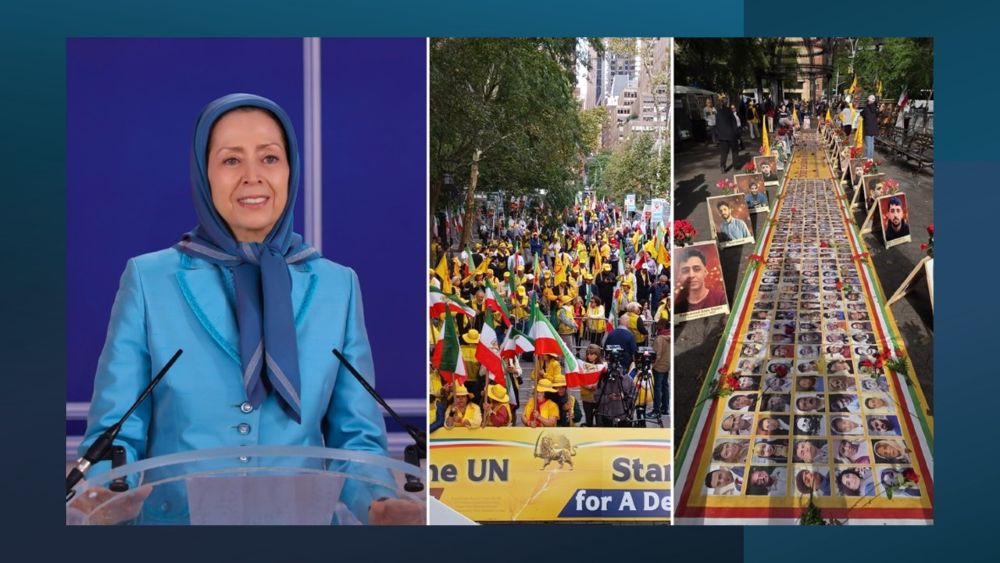
At the Free Iran 2023 World Summit in France, 10,000 video messages from Resistance Units across Iran were presented—clear evidence of a strong, organized grassroots movement operating inside the country.
Building on that momentum, ahead of the Free Iran 2024 World Summit in Paris, the Resistance Units documented 20,000 acts of defiance across nearly all 31 provinces. These scenes, broadcast before hundreds of world leaders and parliamentarians on June 29, 2024, underscored the existence of a viable and powerful internal resistance.
Breaking the Myth: MEK’s Expanding Base Inside Iran
For decades, the Iranian regime and its propaganda networks have claimed that the MEK lacks support inside Iran. The recent wave of 10,000 video messages from Resistance Units across Iranian cities—shown at the Free Iran summit—shatters that myth. Each message, recorded under extreme security risks, stands as a testament to the MEK’s growing support and operational presence on Iranian soil.
This reality has not gone unnoticed internationally.
Former U.S. Vice President Mike Pence described the Resistance Units as “the engine for change from within during uprisings and continued protests.” Likewise, former Canadian Foreign Minister John Baird noted that the current uprising in Iran is “very well organized” precisely because of the thousands of Resistance Units operating nationwide.
Real Change Requires Real Forces on the Ground
The Iranian Resistance’s approach rejects both foreign military intervention and the failed policy of Western appeasement. Instead, it asserts that sustainable regime change must be homegrown—led by the people and a structured internal resistance. This strategy is embodied in the Resistance Units.
Their activities are neither sporadic nor symbolic. They act as catalysts during national protests, organizers of local dissent, and as a strategic deterrent against the regime’s control over public sentiment. From sabotaging regime infrastructure to galvanizing public opposition, their multi-dimensional operations form the backbone of Iran’s democratic movement.
The price they pay is immense. Since 1981, affiliation with the MEK has been punishable by imprisonment, torture, or execution. Yet despite these dangers, Resistance Units continue to grow. Every torching of an IRGC site, every projection of Maryam or Massoud Rajavi’s image, every clandestine video message represents not just defiance, but a systematic effort to dismantle the regime’s apparatus of repression.
The Ten-Point Vision: A Democratic Future Built from Within
Maryam Rajavi’s Ten-Point Plan outlines a clear democratic alternative—a secular, non-nuclear republic founded on universal suffrage, human rights, and gender equality. But these principles are not mere aspirations. The Resistance Units inside Iran are translating this vision into action. Their persistence demonstrates that the idea of a free Iran is not just alive—it is being constructed from within.
As international policymakers debate Iran, it is crucial to recognize the force that the regime itself views as its primary internal threat: the MEK and its Resistance Units. These are not scattered activists; they are the structured backbone of a national movement capable of transforming uprisings into revolution.
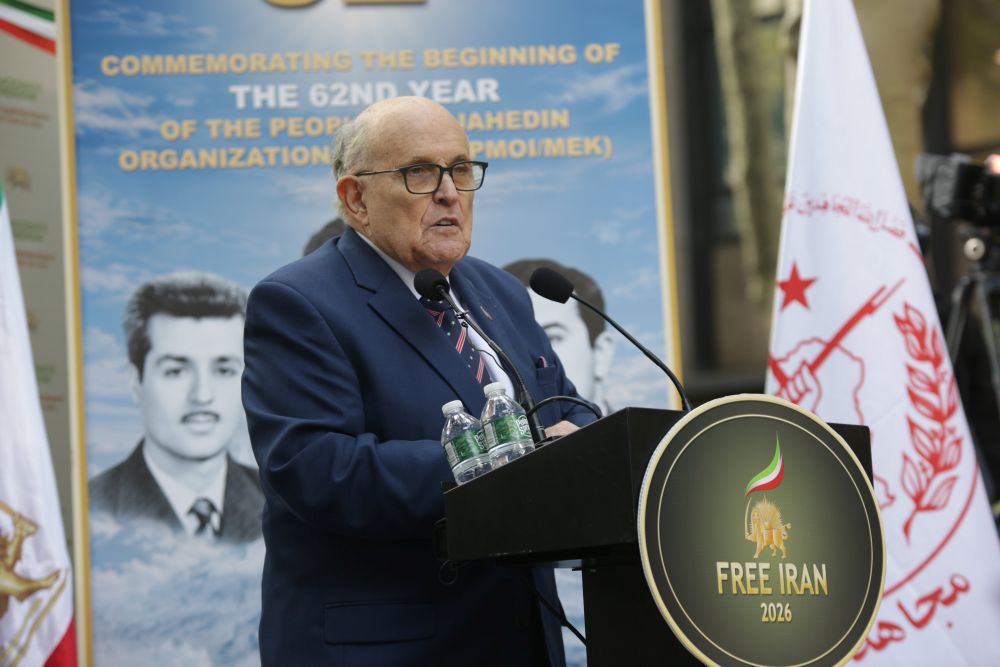
Resistance Units Mark the PMOI’s 60th Anniversary
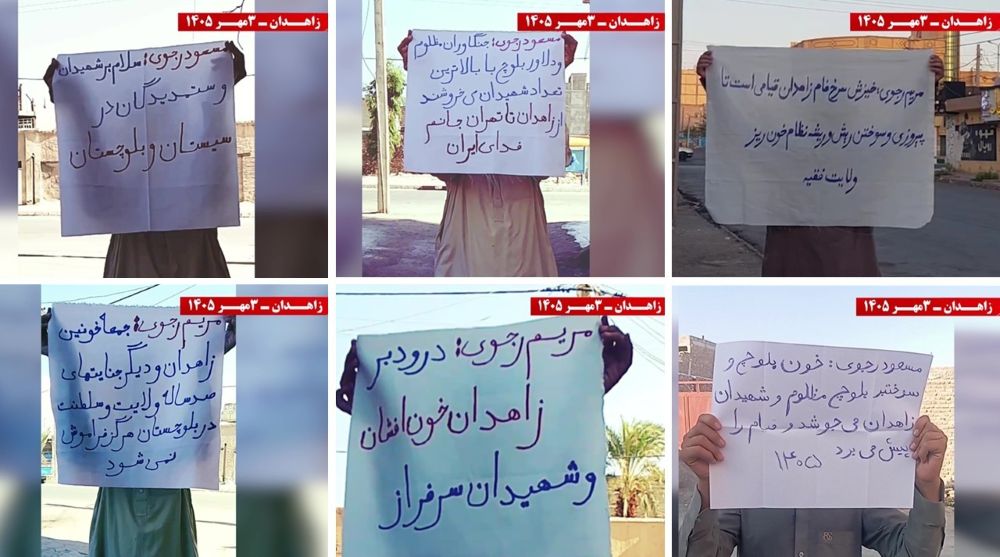
On the 60th anniversary of the founding of the People’s Mojahedin Organization of Iran (PMOI/MEK), Resistance Units across Iran carried out dozens of coordinated activities to celebrate this historic milestone. From Tehran and Karaj to Mashhad, Isfahan, Shiraz, Zahedan, and Kermanshah, they defied the regime’s atmosphere of fear to spread a message of hope and perseverance.
The synchronized nature of these actions—spanning the entire country—illustrates not only the extraordinary courage of these units operating under the regime’s watchful eyes but also the depth, reach, and organizational sophistication of the Iranian resistance network.
Supporting the Real Alternative
The Iranian regime’s accelerated executions, repression, and propaganda are not signs of strength—they are signs of fear: fear of a resistance that has penetrated every province and grows stronger by the day.
The world now faces a choice:
Either continue failed policies of appeasement toward a regime that survives by terrorizing its people,
or recognize and support the organized resistance that offers a genuine democratic alternative.
Resistance Units are not merely symbols of bravery—they are the architects of Iran’s future. Understanding their role is essential to realizing that regime change in Iran is not only possible—it is inevitable.