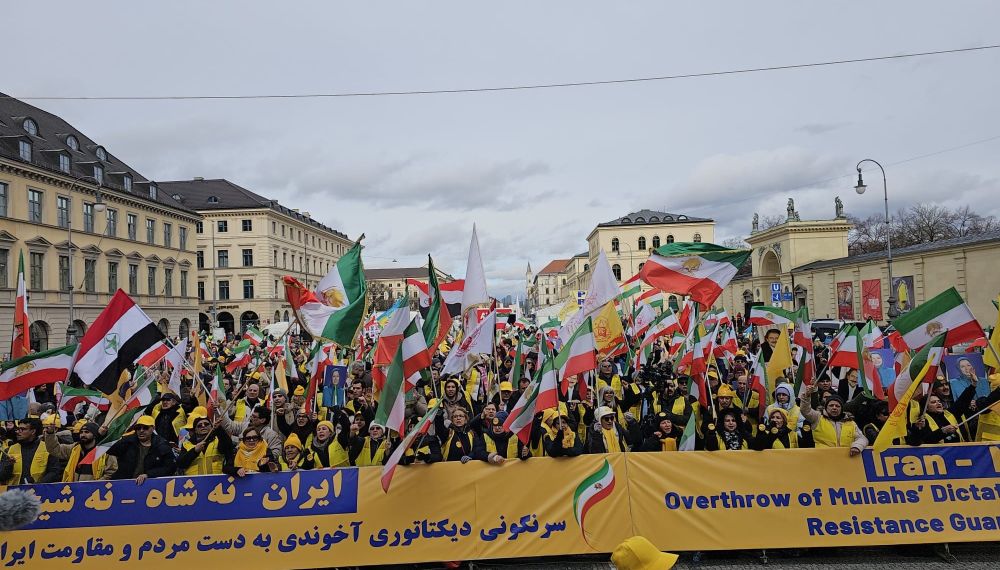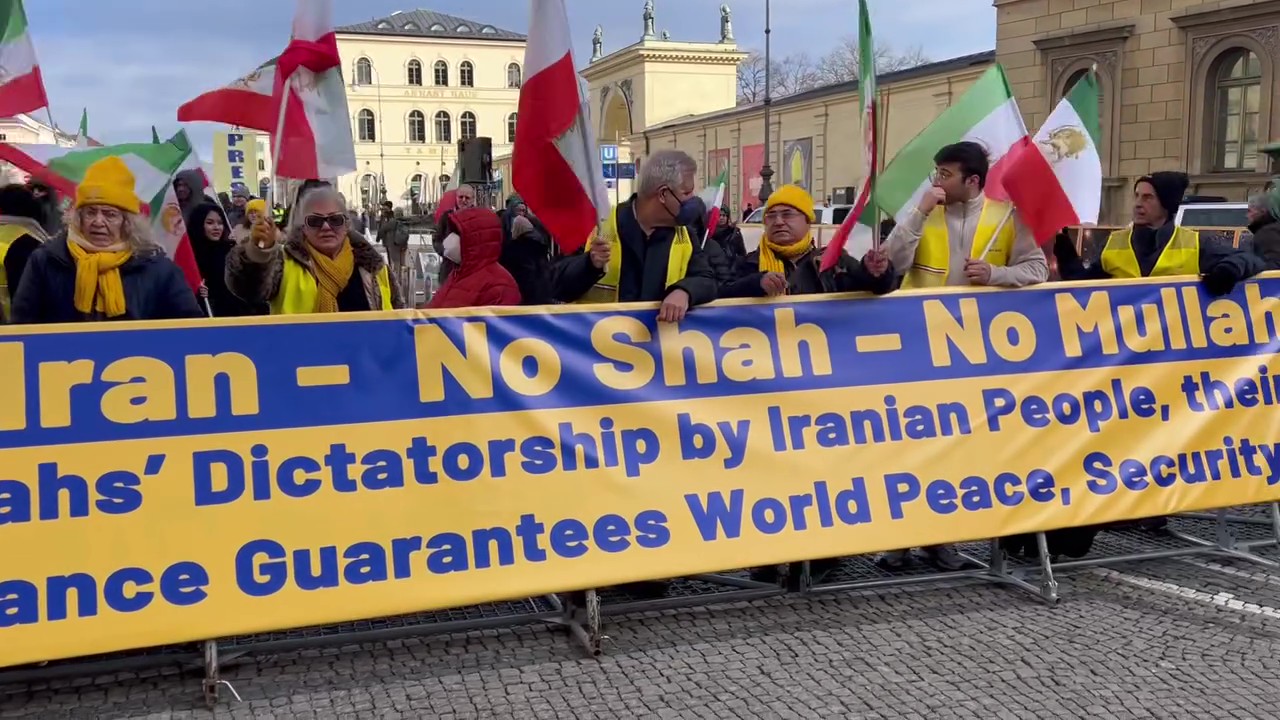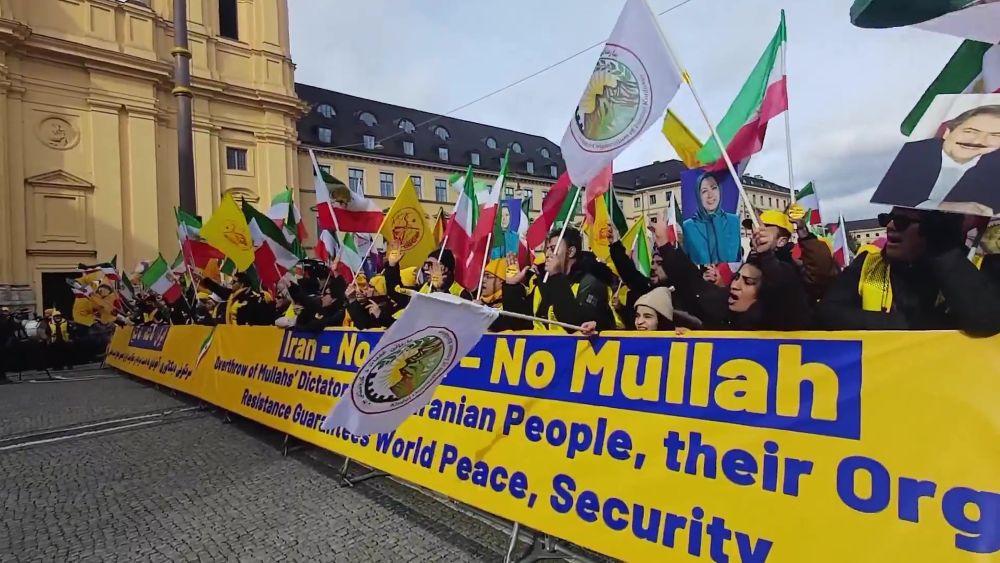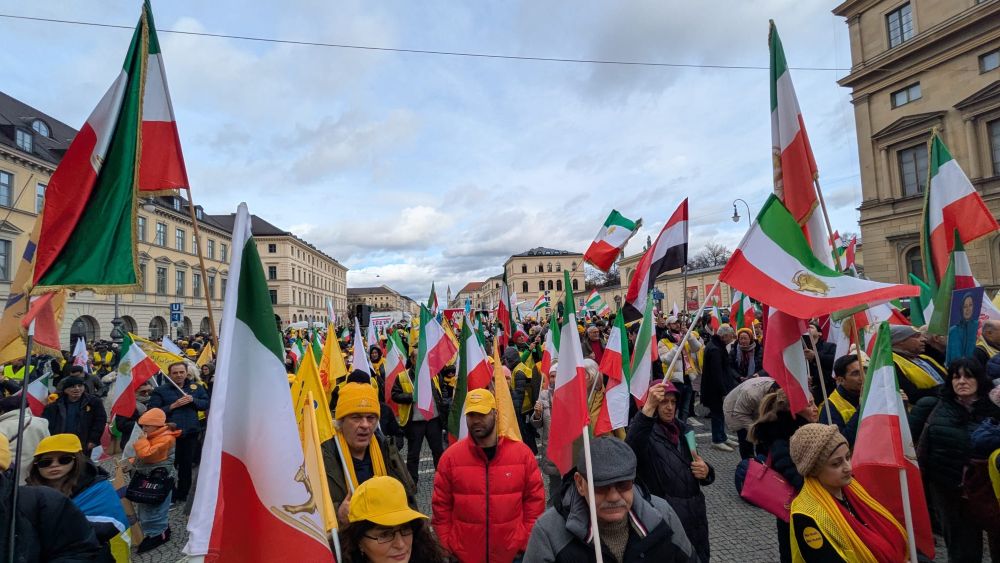
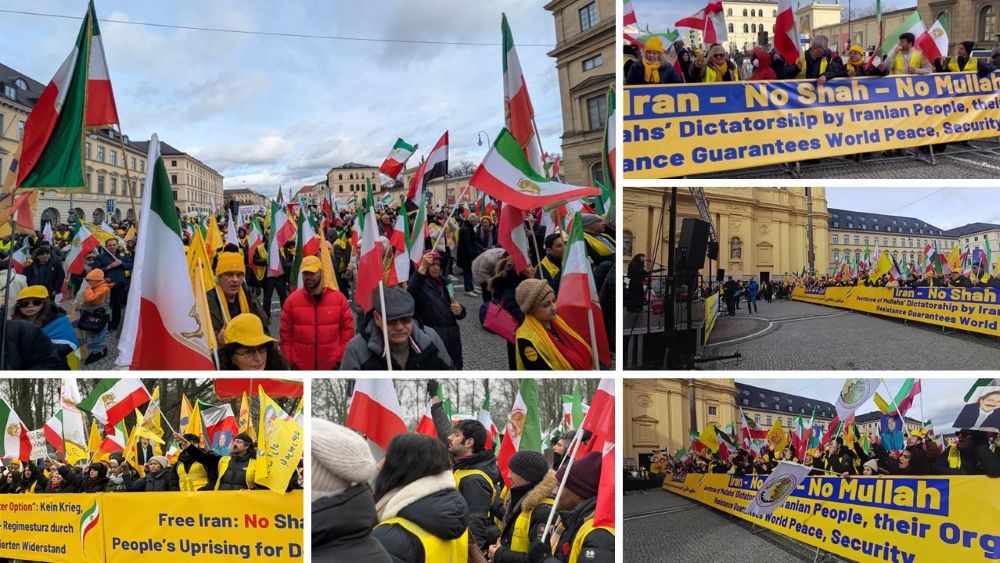
Demonstration held alongside global security summit
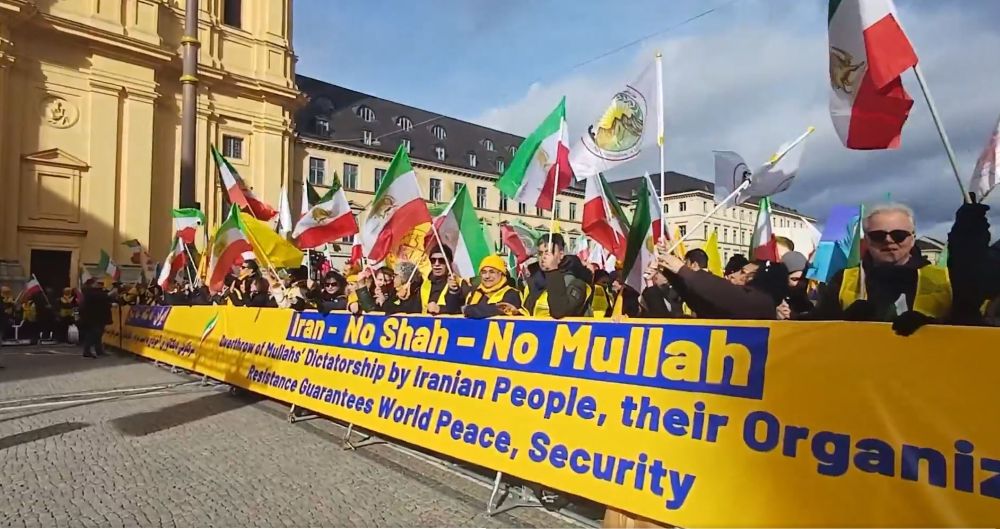
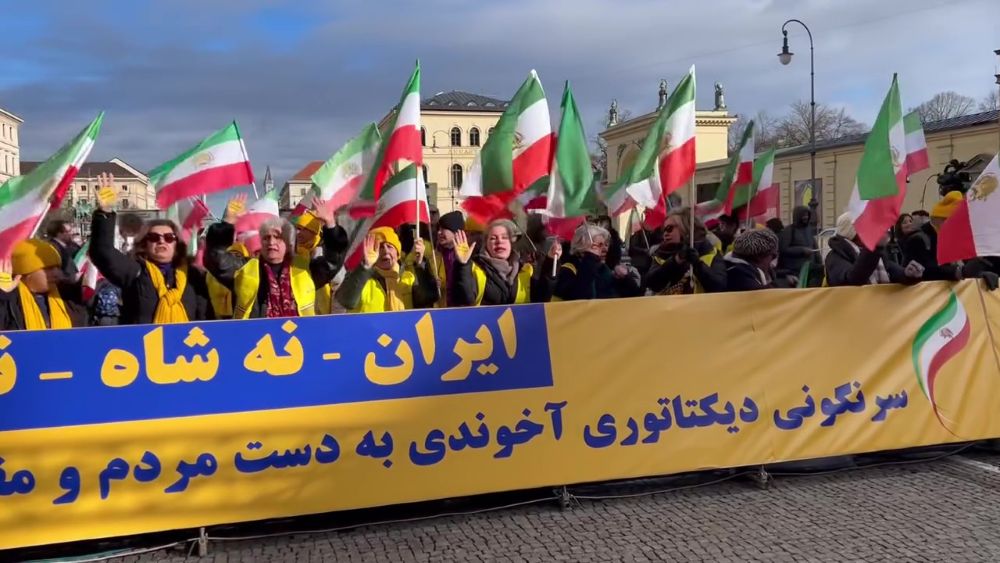
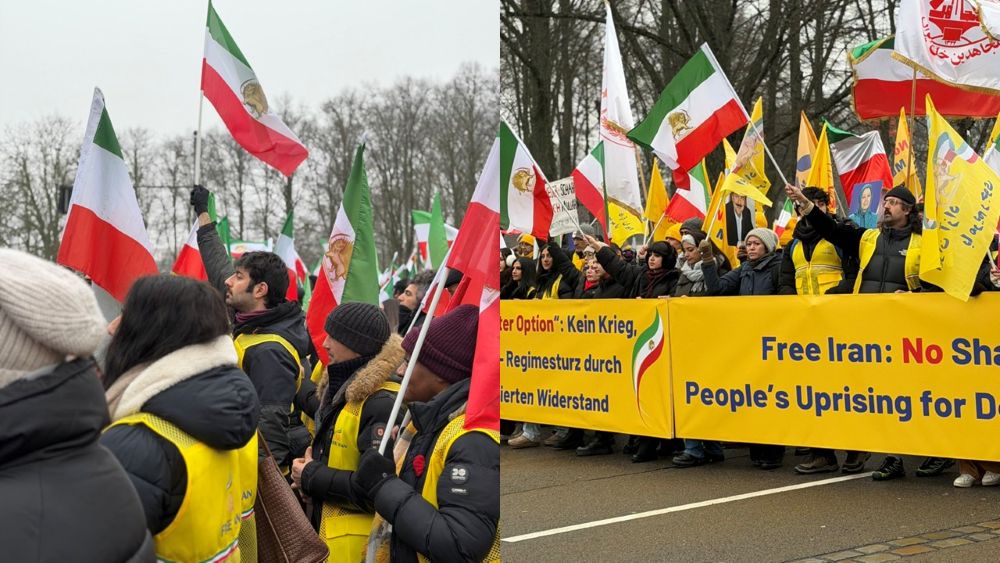
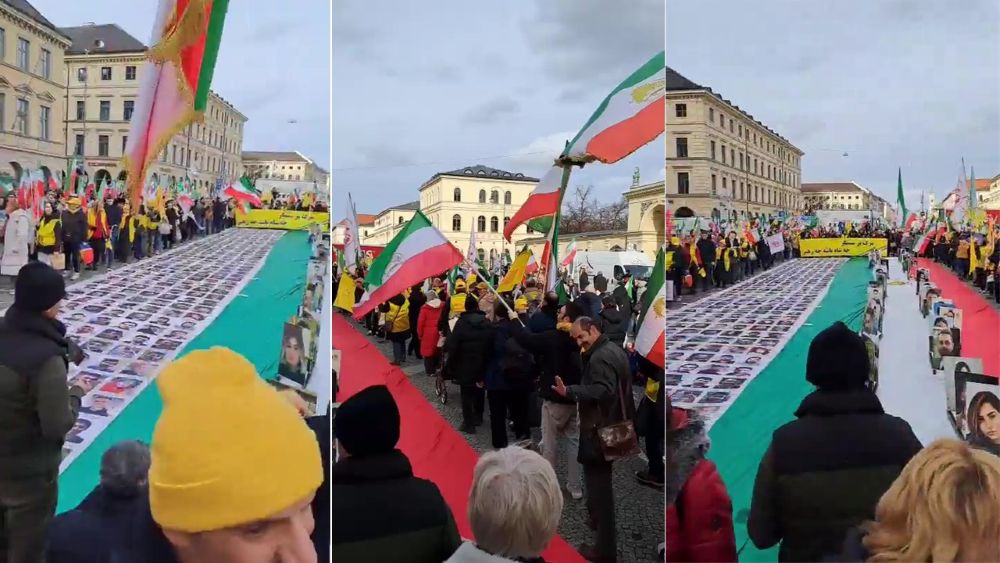
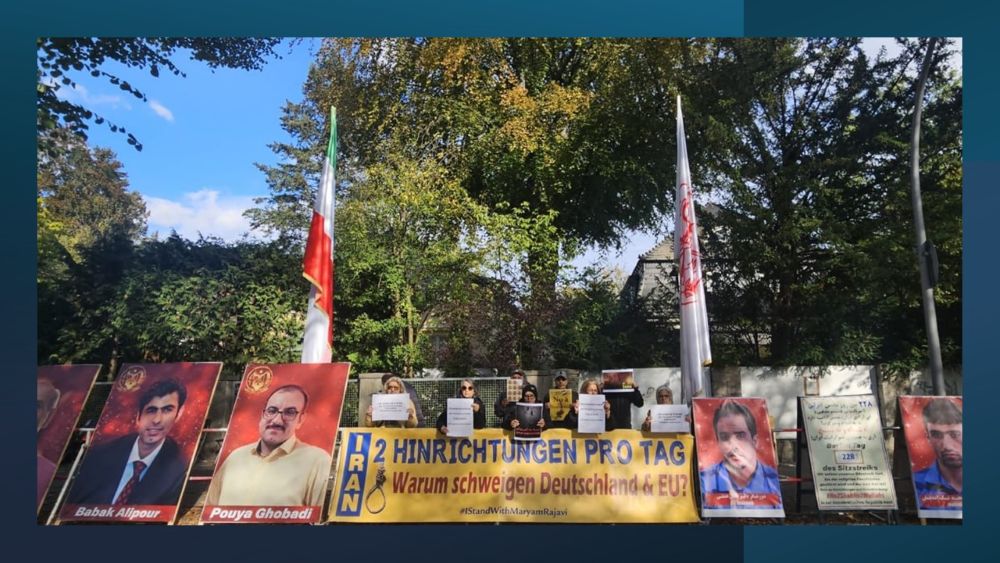
As world leaders gathered for the Munich Security Conference, Iranian protesters and supporters of the National Council of Resistance of Iran (NCRI) assembled in Munich on Friday, 13 February 2026, calling for the overthrow of Iran’s clerical establishment and the creation of a democratic republic.
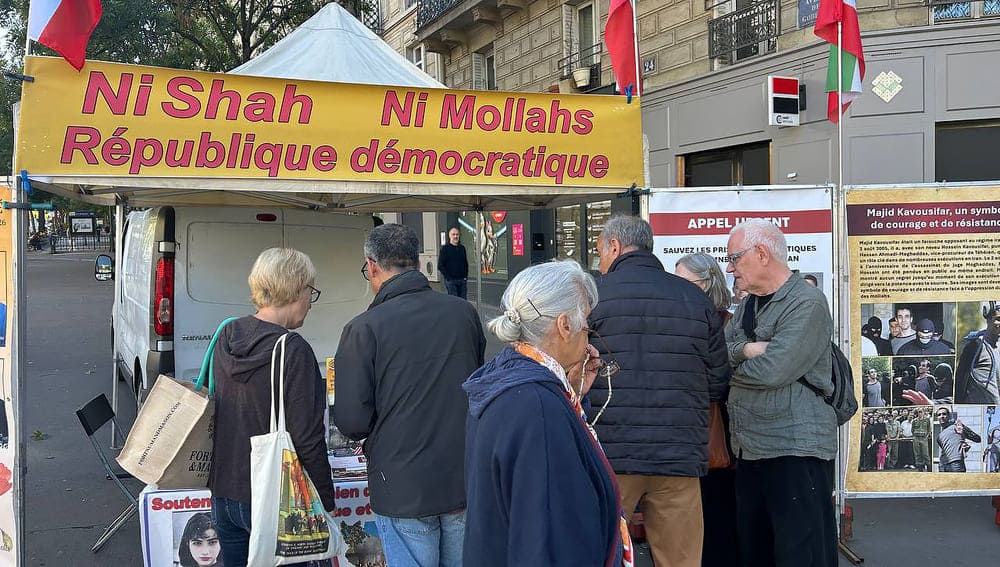
The rally, held in Odeonsplatz in Munich, emphasized the slogan “Neither Shah nor Sheikh,” rejecting both monarchy and religious rule. Demonstrators argued that democracy in Iran is essential for long-term stability in the Middle East and broader global security.
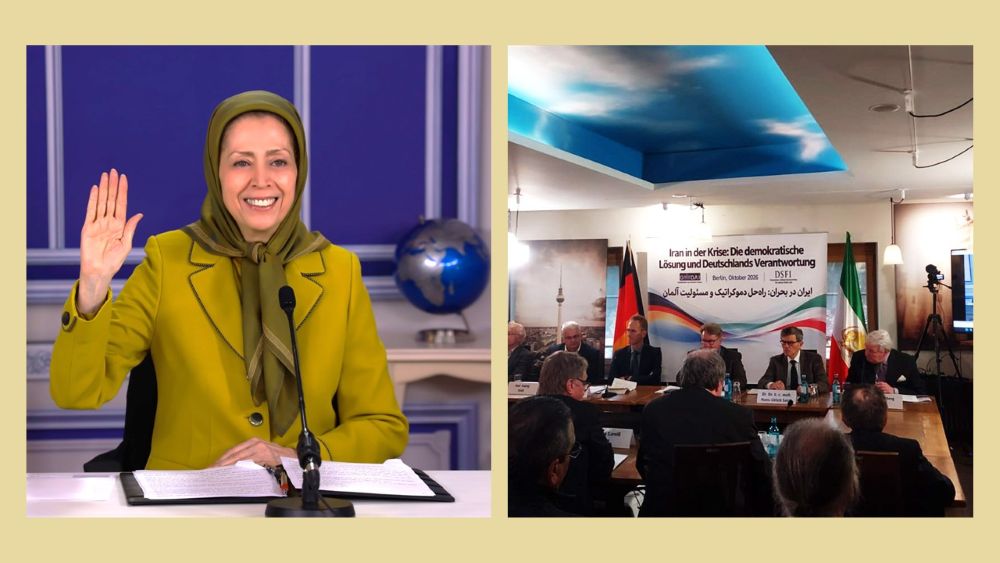
Message from the Iranian Resistance leadership
In a message delivered to participants, Mrs. Maryam Rajavi, the president-elect of the Iranian Resistance, outlined three central points conveyed to the gathering.
According to the message, recent events and sacrifices among protesters in Iran demonstrate the people’s irreversible determination to overthrow the ruling system in its entirety. The message also framed organized uprising—particularly the role attributed to youth networks and resistance units confronting the Islamic Revolutionary Guard Corps—as the pathway to political change. It further argued that the leadership in Tehran, under Ali Khamenei, has shown willingness to commit extensive repression to preserve the structure of clerical rule.
The message emphasized that Iran’s future should be based on a democratic republic, separation of religion and state, and rejection of both hereditary monarchy and religious authoritarianism.
Message to Iranian demonstrators rallying concurrently with the Munich Security Conference-
Iranian society is on the path of a democratic revolution, toward a democratic republic
The ocean of blood spilled from the body of a nation yearning for liberty conveys three… pic.twitter.com/qweRGh8QKO— Maryam Rajavi (@Maryam_Rajavi) February 13, 2026
International figures voice support
Several international political figures addressed the rally and expressed support for democratic change in Iran.
Former UK parliamentary speaker John Bercow was described as arguing that replacing the current system with another form of autocracy—whether clerical or monarchical—would not meet the aspirations of the Iranian people. His remarks highlighted support for a democratic framework and recognition of opposition proposals centered on popular sovereignty and secular governance.
“The alternative to the dictatorship of the mullahs (in Iran) is not to go back to the past, to the son of the Shah or to some sort of feudal lord. The answer is for Iran to go forward,” the Rt Hon John Bercow told Simay Azadi in an exclusive interview today on the sidelines of… pic.twitter.com/D6yWtJShfs
— SIMAY AZADI TV (@en_simayazadi) February 13, 2026
Struan Stevenson, a former member of the European Parliament and associated with an international justice initiative, was reported as stressing that recent protests in Iran demonstrated a widespread demand for the complete end of religious dictatorship. He referenced public slogans rejecting all forms of oppression, whether tied to clerical authority or the former monarchy, and emphasized that many protesters view systemic change—not reform—as the objective.
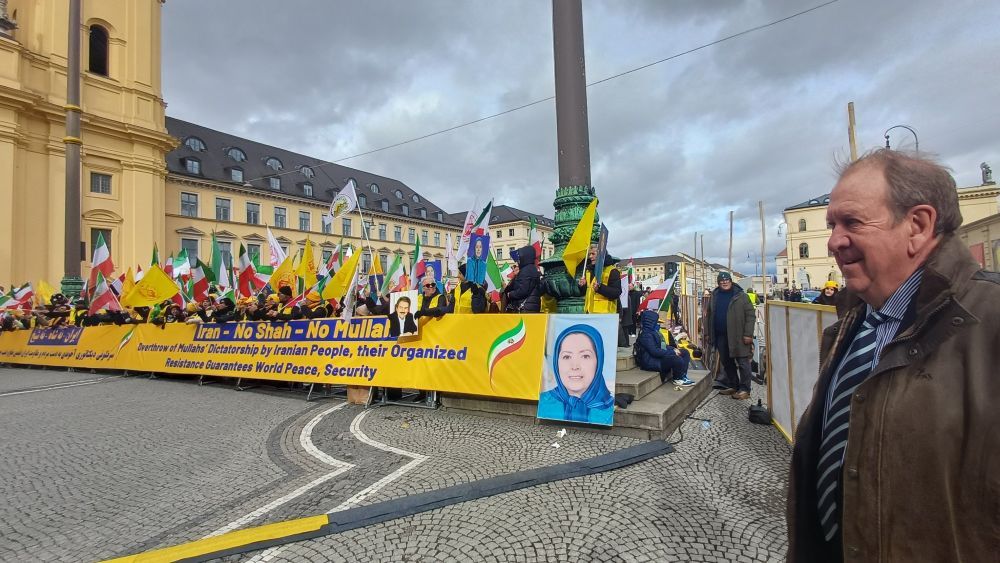
Political demands and international implications
Organizers framed the demonstration as a message directed at policymakers attending the conference. They called for recognition of the Iranian people’s struggle, stronger international measures against repression, and accountability mechanisms through bodies such as the UN Security Council.
Participants argued that the Iranian question should not be viewed solely as an internal political matter but as one with direct implications for regional and global stability. In their view, long-term peace in the Middle East depends on democratic transformation within Iran rather than engagement with existing power structures.
Security and democracy linked in protesters’ message
By holding the rally concurrently with the Munich security gathering, organizers sought to underline what they described as a central reality: global security cannot be separated from the democratic aspirations of nations.
Speakers and participants portrayed the demonstration as a reminder that durable stability rests on the will of citizens rather than geopolitical accommodation. As diplomats debated strategic risks and alliances inside the conference, protesters outside presented democratic change in Iran as a prerequisite for lasting peace and security.