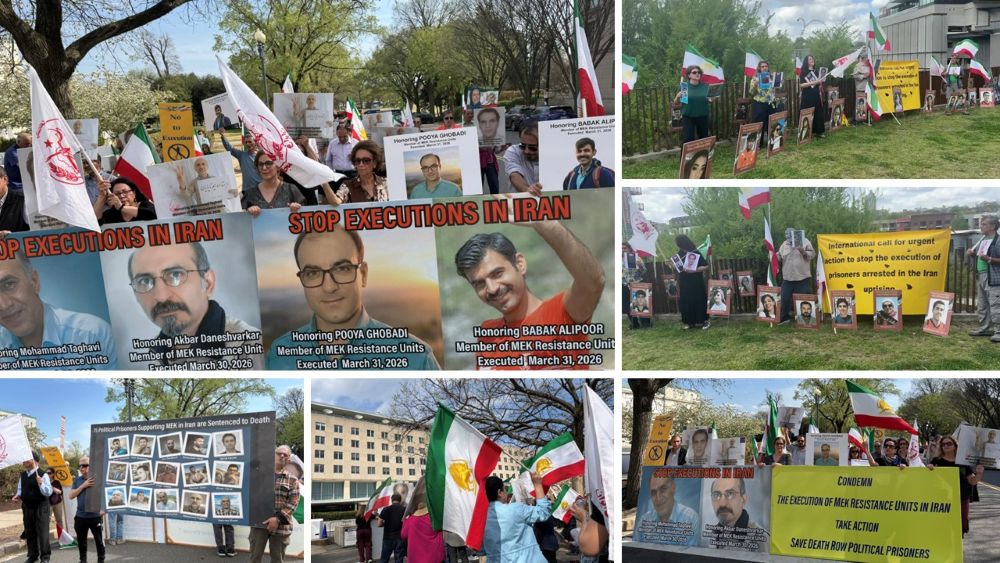
March 31, 2026 — Iranian-American communities and supporters of the Iranian Resistance staged renewed protests across the United States following the execution of two additional political prisoners affiliated with the People’s Mojahedin Organization of Iran (PMOI/MEK).
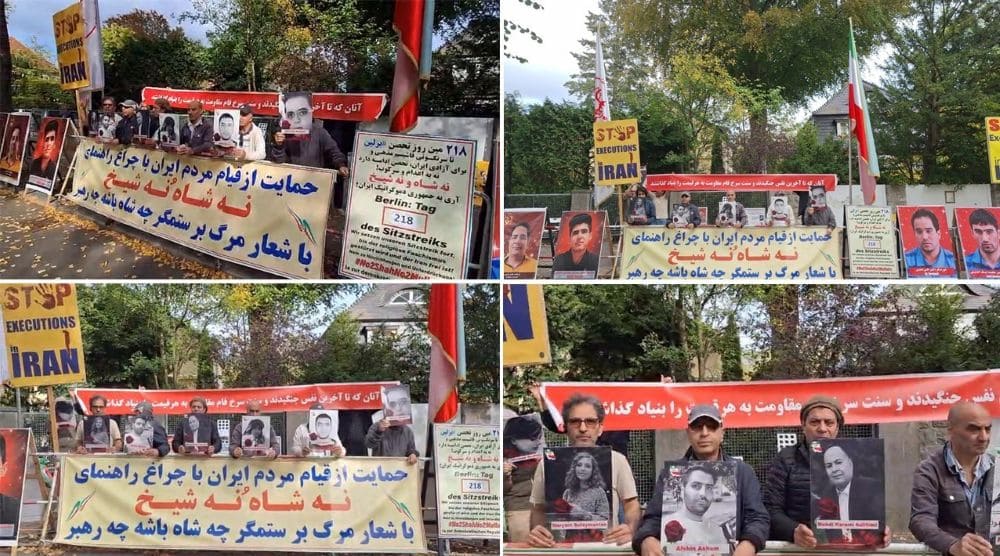
In Washington, D.C., demonstrators gathered for a second consecutive day outside the U.S. State Department, expressing solidarity with the Iranian people and condemning what they described as the clerical regime’s escalating campaign of repression. Protesters denounced the executions of Babak Alipour and Pouya Ghobadi as a continuation of systematic human rights violations targeting organized resistance.
Today outside the State Department, we draw a clear line:
The regime in Tehran is not targeting “dissent.” It is targeting organized resistance.
Executions are a sign of weakness, not strength.
The world must stop looking away.#Iran #HumanRights #FreeIran pic.twitter.com/qnk2wdCQ20
— OIAC: Organization of Iranian American Communities (@OrgIAC) March 31, 2026
Participants emphasized that the wave of executions reflects the Iranian regime’s growing fear of dissent and its inability to suppress an increasingly defiant population. They stressed that such acts would not silence opposition but instead intensify calls for freedom and justice.
Demonstrators called on the White House and the State Department to issue a clear and unequivocal condemnation of the executions and to adopt a firm stance in support of the Iranian people’s struggle for a democratic future. They also urged the international community to take meaningful action to hold Iranian authorities accountable.
🗣️ NO TO EXECUTIONS IN IRAN
From Washington, DC to Tehran, one message: The Iranian people will not be silenced. Every execution fuels resistance. Every act of repression exposes the regime’s fear.#FreeIran #StopExecutionsInIran #NCRIAlternative #FreeIran10PointPlan pic.twitter.com/kuKTCGH3ww
— OIAC: Organization of Iranian American Communities (@OrgIAC) March 31, 2026
Parallel gatherings were reported among Iranian-American communities in states such as Georgia, where participants similarly condemned the executions and warned that the rising number of death sentences signals deep concern within the regime over organized opposition movements.
The Iranian-American community strongly condemns the execution of MEK members.
This surge in executions reveals the regime’s deep fear of organized resistance.#FreeIran #HumanRights pic.twitter.com/YtWb4Iwv8t— Iranian American community of Georgia (@iacogeorgia) April 1, 2026
Protesters highlighted that the Iranian government is not merely targeting dissent but specifically attempting to dismantle structured resistance networks. They described executions as a sign of weakness, underscoring the regime’s reliance on violence to maintain control, and called on the global community to end its silence.
The demonstrations followed the executions carried out at Ghezel Hesar Prison on Tuesday, March 31, just one day after two other MEK members were executed, marking a sharp escalation in the use of capital punishment against political prisoners.
Background:
Mrs. Maryam Rajavi, President-elect of the National Council of Resistance of Iran (NCRI), strongly condemned the executions of Babak Alipour and Pouya Ghobadi, describing them as evidence of the regime’s fear and desperation in the face of growing public unrest and expanding support for resistance movements.
At dawn today(Tuesday31March) #BabakAlipour and #PouyaGhobadi, two members of the People’s Mojahedin Organization of Iran (PMOI/MEK), were executed in Qezel Hesar Prison by the religious fascism ruling Iran.
The brutal execution of these PMOI members reflects the clerical… pic.twitter.com/enAaf3zChQ— Maryam Rajavi (@Maryam_Rajavi) March 31, 2026
She stated that carrying out such executions, particularly amid external pressures, reveals that the regime views the Iranian people and organized resistance as its primary threat. Rajavi emphasized that those executed, along with Mohammad Taghavi and Akbar Daneshvarkar, represent enduring symbols of sacrifice and steadfast resistance who refused to yield under pressure.
Calling the executions a grave crime, she urged the United Nations, its member states, and human rights organizations to take immediate and concrete action to prevent further executions. She stressed the need for practical measures, including holding Iranian officials accountable and increasing diplomatic pressure, warning that continued inaction could lead to more loss of life among political prisoners.