Prisoners Warn of Escalating Executions Under the Cover of War
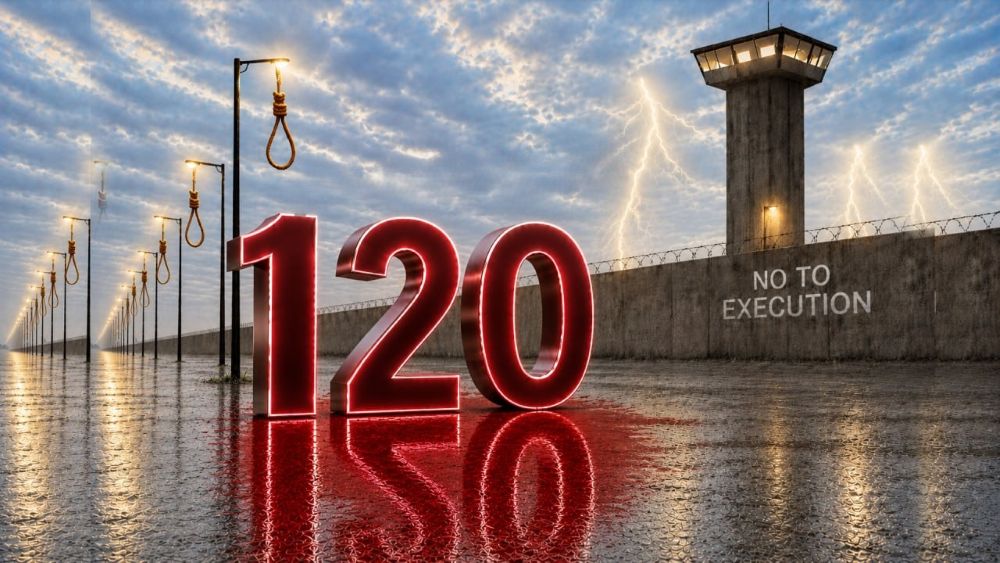
Political prisoners in 56 prisons across Iran continued their coordinated hunger strike on Tuesday, May 12, 2026, as part of the ongoing “No to Execution Tuesdays” campaign, protesting the regime’s escalating wave of executions and death sentences.
The campaign enters its 120th consecutive week at a time when Iranian authorities have intensified executions under the shadow of war and heightened repression. Prisoners participating in the movement warned that dozens of political detainees and protesters arrested during recent uprisings are now at imminent risk of execution.
Regime Accused of Using War Conditions to Expand Repression
In their latest statement, prisoners said the Iranian regime had exploited wartime conditions to impose broader repression and accelerate executions. According to the campaign, at least 23 political and security prisoners have been executed since the beginning of the Iranian year 1405 (March 2026).
The statement also highlighted the regime’s refusal to return the bodies of several executed political prisoners to their families, describing the practice as a form of enforced disappearance.
Among those whose bodies have reportedly not been returned are six members of the “No to Execution Tuesdays” campaign: Vahid Bani-Amerian, Pouya Ghobadi, Babak Alipour, Akbar (Shahrokh) Daneshvarkar, Mohammad Taghavi, and Abolhassan Montazar.
The campaign further reported that Azam and Akram Daneshvarkar, sisters of executed prisoner Shahrokh Daneshvarkar, were arrested by security agents on April 18, 2026, while attempting to follow up on receiving their brother’s body from judicial authorities.
Executions of Political Prisoners Continue
The statement condemned the recent executions of three political prisoners linked to the January 2026 uprising — Ebrahim Dolatabadi, Mehdi Rasouli, and Mohammadreza Miri — who were executed in Vakilabad Prison in Mashhad last week.
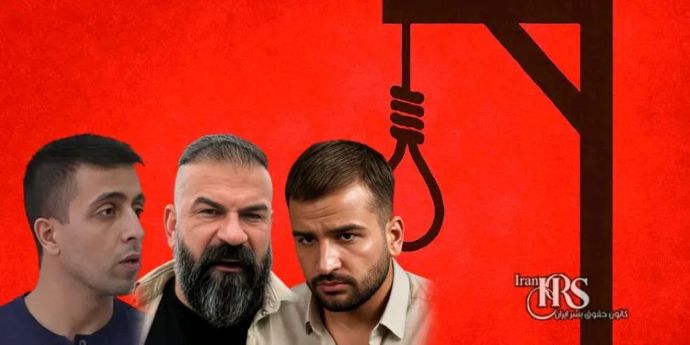
In addition, another prisoner, Erfan Shakourzadeh, was reportedly executed in Ghezel Hesar Prison on charges of espionage.
Campaign members warned that many detainees remain at serious risk of execution, including Amir Mohammad Zare and Mohammadreza Abdollahpour in Ghezel Hesar Prison, Ali Pishehvarzadeh in Lakan Prison of Rasht, and several Baluch political prisoners, including Adham Narouyi, Farshid Hassanzahi, Hossein Shahouzehi, Nasimeh Eslamzahi, and Soleiman Shahbakhsh.
According to the statement, many of these prisoners have faced unfair and non-transparent judicial proceedings.
Overcrowding and Pressure on Protest Detainees
The campaign also reported that at least 100 detainees from recent uprisings were transferred to Ward 37, Unit 3 of Ghezel Hesar Prison in recent days. Prisoners described severe overcrowding, lack of basic living conditions, and mounting judicial pressure against the detainees.
The statement accused the Iranian regime of using executions, property confiscations, and intimidation tactics to spread fear throughout society.
Despite the repression, campaign participants stressed that public resistance continues to grow both inside prisons and across Iranian society.
“Justice Is Not Born in Execution Halls”
Reaffirming their commitment to abolishing the death penalty, prisoners declared that the “No to Execution Tuesdays” campaign has become a symbol of resistance against state executions in Iran.
“We believe true justice is not born in execution halls; it blossoms in awakened hearts, education, and fair courts,” the statement read.
The prisoners also emphasized their solidarity with the Iranian people and vowed to continue their weekly hunger strikes until the abolition of the death penalty and the achievement of freedom in Iran.
56 Prisons Participate in Week 120 Hunger Strike
The Week 120 hunger strike took place in 56 prisons across Iran, including Evin Prison, Ghezel Hesar Prison, Greater Tehran Prison, Qarchak Prison, Adelabad Prison of Shiraz, Zahedan Prison, Urmia Prison, Tabriz Prison, Sanandaj Prison, and dozens of other facilities nationwide.