Hunger Strike Expands Amid Rising Executions and Growing Pressure on Political Prisoners’ Families
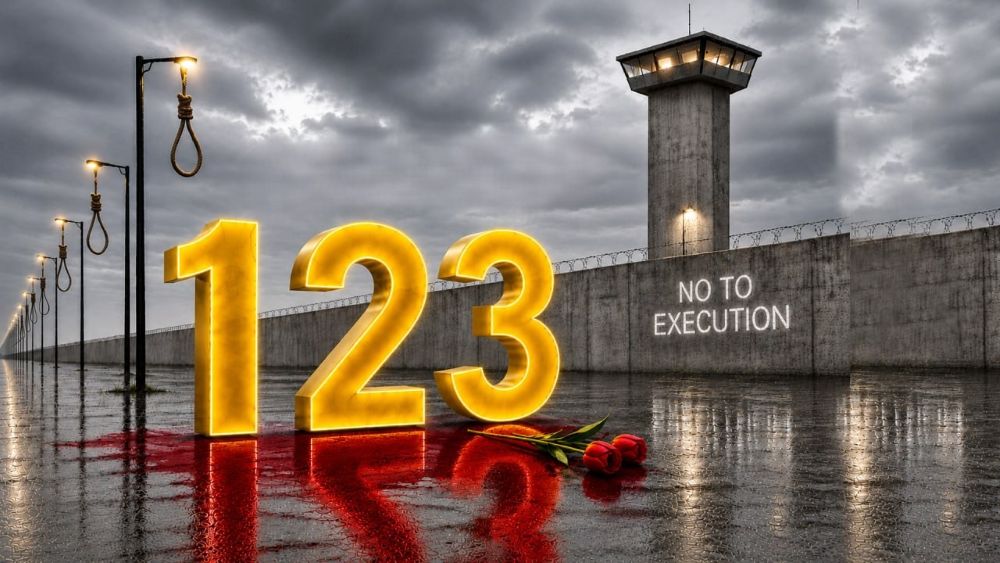
The “No to Execution Tuesdays” campaign marked its 123rd consecutive week on June 2, 2026, with prisoners in 56 detention facilities across Iran participating in a coordinated hunger strike. The campaign, which has become one of the most sustained acts of resistance against Iran’s execution machinery, continues to protest the regime’s escalating use of capital punishment, intensifying repression, and mounting pressure on the families of political prisoners.
In their latest statement, campaign participants warned that the Iranian regime is increasingly resorting to executions and security crackdowns as it confronts deepening economic and social crises. They argued that authorities are attempting to suppress growing public discontent and prevent potential nationwide protests through intimidation, arrests, and death sentences.
The statement also highlighted the deaths of two Kurdish Yarsani brothers, Mojtaba and Meysam Veisi, who were reportedly killed during an attack by the Islamic Revolutionary Guard Corps (IRGC). According to the campaign, the two had been living in hiding after coming under pursuit by security forces following the January 2026 nationwide uprising.
Political Prisoners Face Escalating Threat of Execution
Campaign members condemned the recent execution of political prisoners Ashkan Maleki and Mehrdad Mohammadi Nia in Qezel Hesar Prison. Both men had been arrested in connection with the January 2026 protests and were executed despite widespread appeals from human rights advocates.
The statement further warned of an alarming increase in death sentences against political prisoners. This week, authorities reaffirmed the death sentence of political prisoner Zahra Tabari, currently held in Lakan Prison in Rasht. In addition, two political prisoners from Bukan, Raouf Sheikh Maroufi and Mohammad Faraji, were sentenced to death.
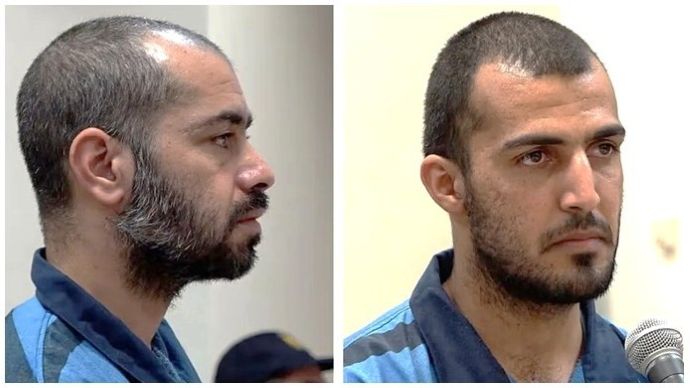
Campaign organizers also reported that Branch 26 of Tehran’s Revolutionary Court, presided over by Judge Iman Afshari, issued death sentences against Benjamin Naghdi, one of the detainees arrested during the January uprising, as well as two brothers, Hassan and Hossein Amiri. According to the campaign, numerous other prisoners whose identities have not yet been made public are also at risk of execution.
Call for National and International Action
The “No to Execution Tuesdays” campaign renewed its appeal to prisoners throughout Iran, civil society activists, and the broader Iranian public to raise their voices against what it described as unlawful and politically motivated executions.
The campaign also urged international human rights organizations, the United Nations, and global institutions to take concrete and effective measures to halt the execution of political prisoners and prevent further state-sanctioned killings.
Hunger Strike Continues in 56 Prisons Nationwide
On Tuesday, June 2, 2026, participants in the 123rd week of the campaign staged hunger strikes in 56 prisons across Iran, including Evin Prison, Qezel Hesar Prison, Greater Tehran Prison, Karaj Central Prison, Qarchak Prison, Adelabad Prison in Shiraz, Sheiban Prison in Ahvaz, Lakan Prison in Rasht, Urmia Prison, Sanandaj Prison, Zahedan Prison, and dozens of other facilities across the country.
As executions continue to rise and death sentences are increasingly used against political dissidents, the “No to Execution Tuesdays” campaign remains a significant symbol of resistance inside Iran’s prison system, drawing attention to the plight of prisoners facing execution and the broader human rights crisis in the country.