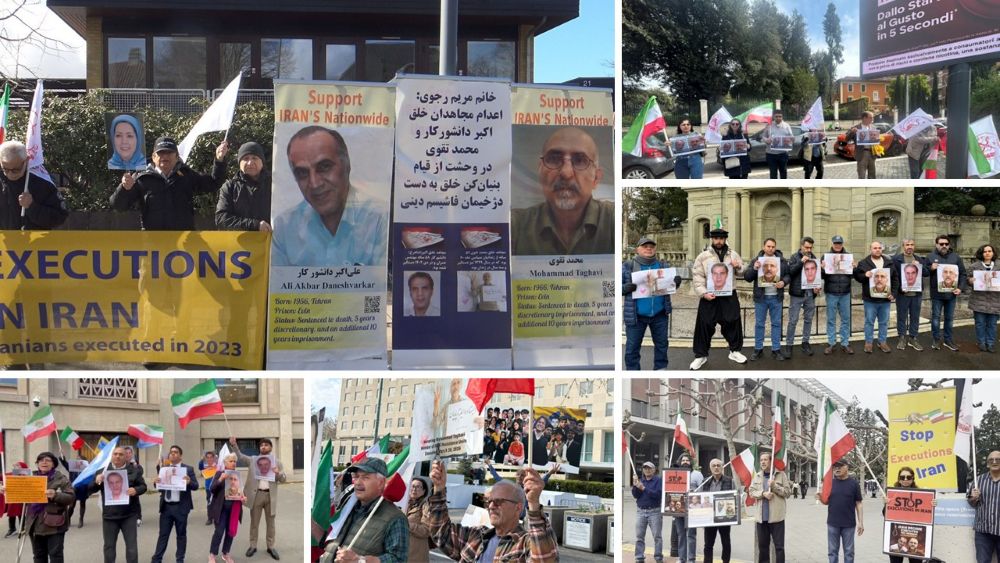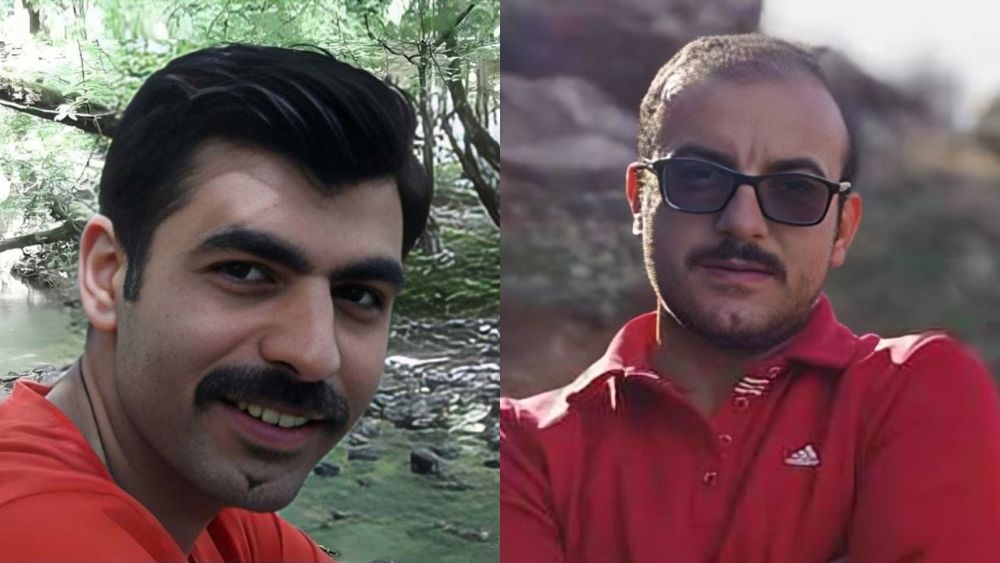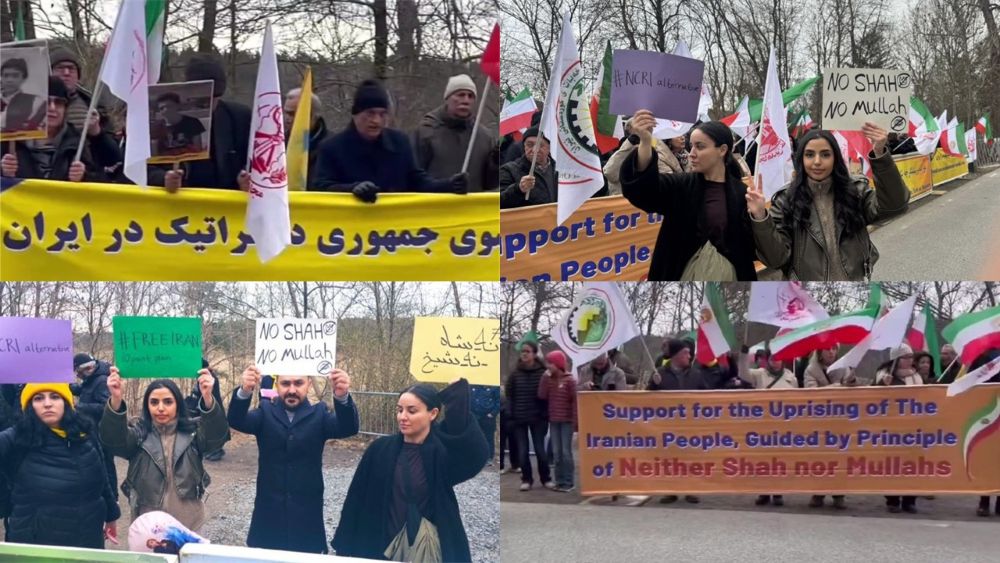
Recent developments involving the release of French hostages from Iran have sparked strong condemnation from French dignitaries and international organizations, who accuse the Iranian regime of leveraging hostage diplomacy and media manipulation to secure political concessions while targeting the Iranian Resistance, particularly the People’s Mojahedin Organization of Iran (PMOI/MEK). These actions, they argue, not only embolden Tehran’s terrorist tactics but also jeopardize the democratic aspirations of the Iranian people.
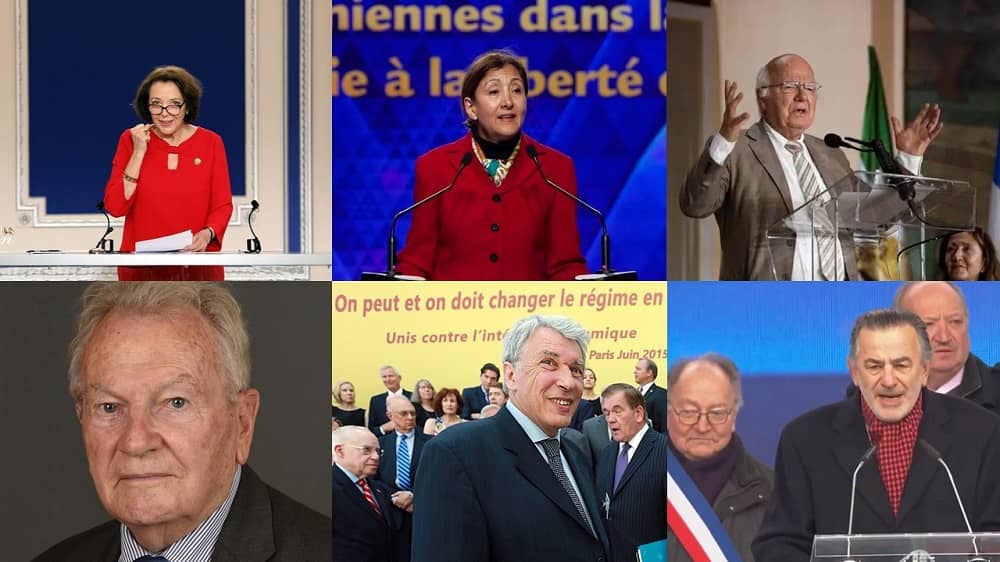
A collective statement from prominent French figures has been issued, condemning the Iranian regime’s continued practice of hostage diplomacy and its alleged manipulation of French media and judicial systems for political gain. The signatories, comprising legal experts, former government officials, and human rights advocates, welcomed the release of Olivier Grondeau, a French hostage, but expressed concern that his liberation might be part of a larger deal aimed at undermining Iran’s democratic opposition.
Specifically, they highlighted recent defamatory attacks on Maryam Rajavi, President-elect of the National Council of Resistance of Iran (NCRI), linking these efforts to appeasement strategies intended to placate Tehran. The statement vehemently denounces what it terms “shameful blackmail” by the Iranian regime and calls for an end to using democratic institutions as tools for political concessions.
Adding to this critique, the International Committee in Search of Justice (ISJ), representing over 4,000 parliamentarians worldwide, issued a separate statement on March 22, 2025, slamming the hostage deal as a betrayal of justice.
The ISJ welcomed the release of the French hostages but condemned the broader implications of the agreement, asserting that Western concessions—such as the release of Afshari—come at the expense of the Iranian Resistance and fuel Tehran’s impunity. The ISJ emphasized that the Iranian regime has weaponized hostage diplomacy since 1979, citing historical examples like the release of diplomat-terrorist Assadollah Assadi and judiciary official Hamid Noury as evidence of a pattern. These deals, they argued, perpetuate a cycle of terrorism and extortion, with the regime securing the freedom of its agents while suppressing dissent at home and abroad.
The ISJ’s statement further cautioned that the secret negotiations behind the hostage release signal a troubling trend of appeasement, weakening the PMOI/MEK and the broader National Council of Resistance of Iran (NCRI). Led by Professor Alejo Vidal Quadras, the ISJ urged French and European leaders to demand transparency in these arrangements and adopt a firm stance against Tehran’s tactics. They stressed that continued concessions embolden the regime to escalate its malign activities, including targeting the Resistance with propaganda and physical attacks, while delaying the democratic change sought by the Iranian people.
ISJ welcomes 2 French hostages’ release but denounces concessions to Iran’s terrorist regime at the Iranian Resistance’s expense. This only fuels more hostage-taking & terror by Tehran. We urge transparency by France & EU.
CC: @EmmanuelMacron @kajakallashttps://t.co/rW9swzZrZi
— International Committee in Search of Justice (@isjcommittee) March 20, 2025
Both statements underscored a unified call to action: Western governments must reject Iran’s manipulative strategies and stand in solidarity with the Iranian Resistance. The French dignitaries and the ISJ alike framed the PMOI/MEK as a critical force opposing the clerical dictatorship, warning that undermining it through diplomatic deals only strengthens Tehran’s grip on power. As of March 22, 2025, these criticisms highlight a growing international concern over the long-term consequences of yielding to Iran’s hostage diplomacy.