



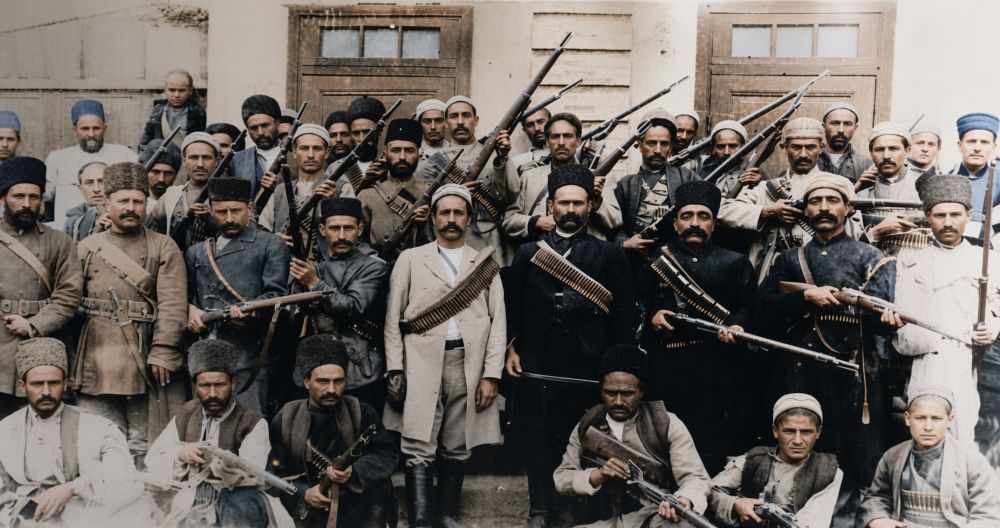
Iran’s struggle for freedom, democracy and political sovereignty has deep roots, stretching back more than a century to the Constitutional Revolution of 1906. The movement sought to establish representative government, strengthen the rule of law and place limits on absolute political power.
Although the Constitutional Revolution introduced important democratic principles, Iran later returned to authoritarian rule under the monarchy. The 1979 revolution ended the monarchy but replaced it with a system in which substantial political power was concentrated in the hands of the Supreme Leader and other unelected institutions.
Since then, successive generations of Iranians have continued to demand political freedom, accountable government and greater public participation. From major protests to nationwide uprisings in recent years, calls for fundamental political change have remained a persistent force in Iranian society.
This year marks the 120th anniversary of the Iranian Constitutional Revolution.
We honor the brave women and men who sacrificed their lives to secure its victory—a pivotal milestone that ushered Iran into a modern era despite immense betrayal and hardship.
Although foreign… pic.twitter.com/4tByMXnelE— Maryam Rajavi (@Maryam_Rajavi) August 5, 2026
Iran’s future depends on rejecting authoritarianism in all its forms—whether monarchical or religious—and establishing a political system based on popular sovereignty, freedom and the rule of law. Achieving such a transformation will depend on sustained struggle and organized resistance inside Iran. Supporters of the People’s Mojahedin Organization of Iran (PMOI/MEK) point to the Resistance Units as an increasingly important force in organizing opposition to the clerical regime and helping prepare the ground for a nationwide uprising.
From this perspective, the path toward a free and democratic Iran lies in transforming the people’s demand for freedom into organized and sustained political change, with the ultimate goal of establishing a democratic republic chosen by the Iranian people.