
Human Rights Under Siege in Iran
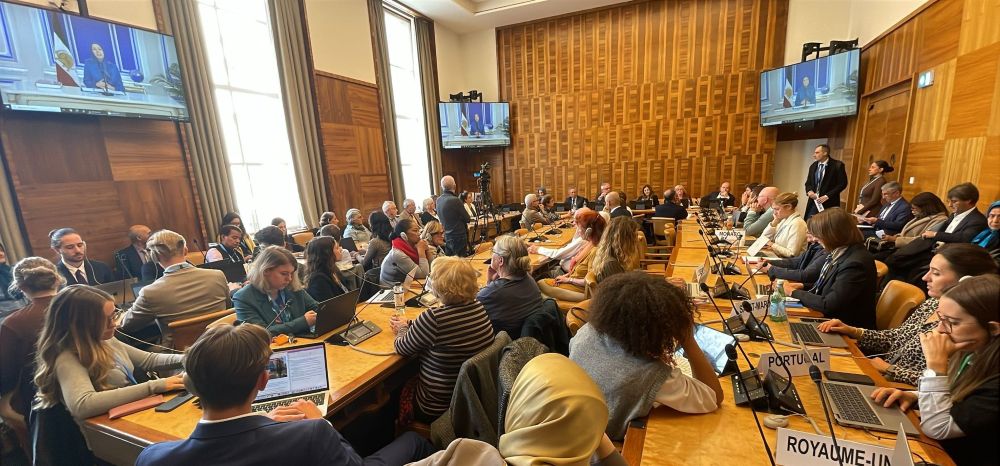
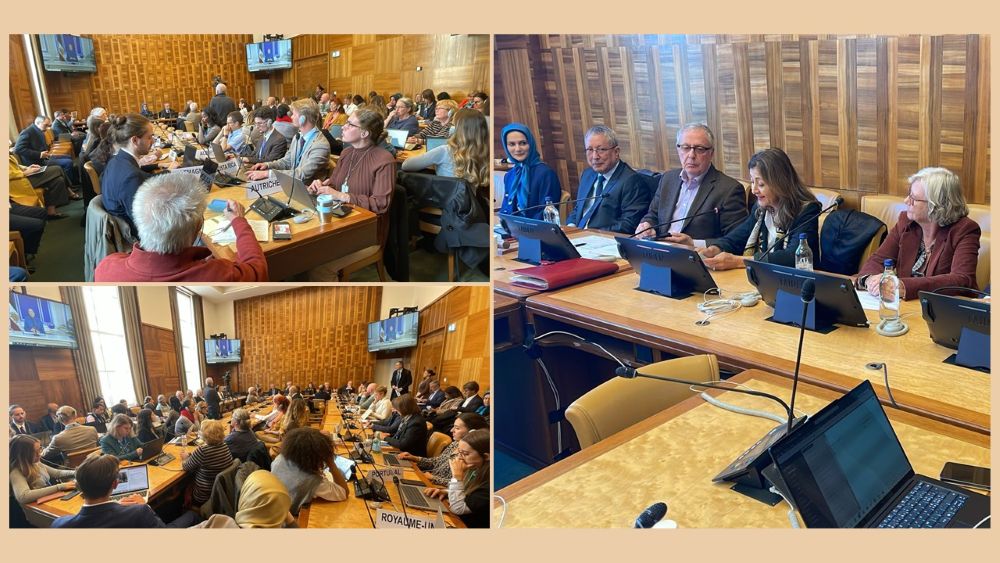
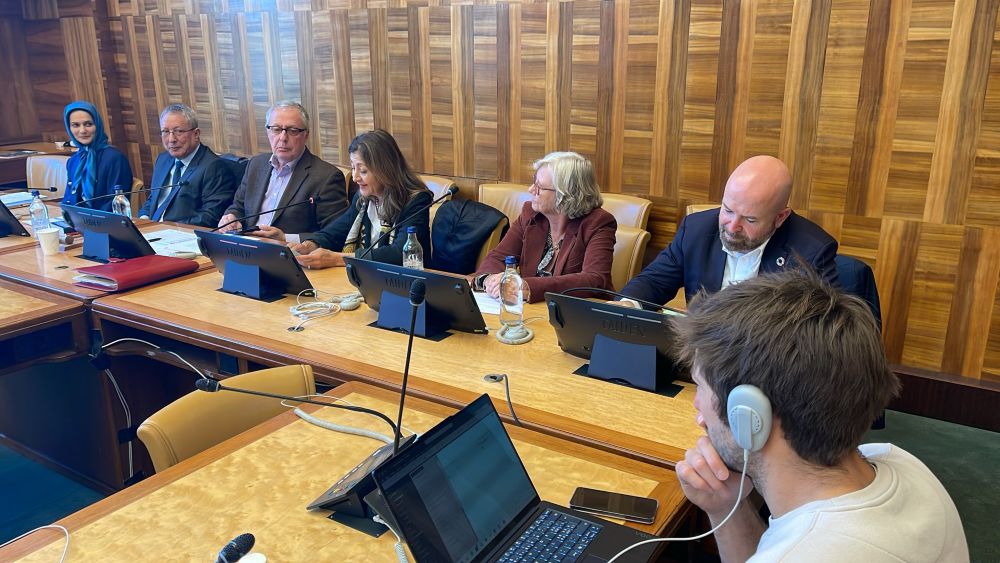
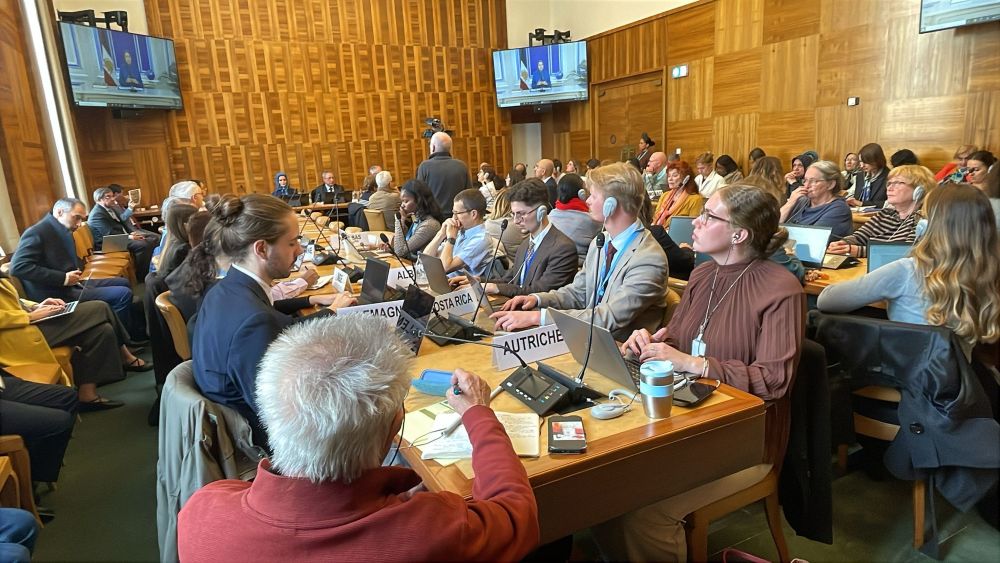
On September 29, 2025, during the 60th session of the UN Human Rights Council in Geneva, international figures, parliamentarians, and human rights advocates convened to address Iran’s worsening human rights crisis. The conference, accompanied by a rally at Place des Nations, was organized with the participation of the National Council of Resistance of Iran (NCRI). Both events underscored the clerical regime’s growing reliance on executions and repression to maintain power.
Iran News Alert
On September 29, simultaneously with the 60th UNHRC session, a conference in Geneva addressed Iran’s catastrophic human rights record. In a message, @Maryam_Rajavi highlighted the regime’s brutal crackdown, particularly on MEK members. Speakers, including… pic.twitter.com/4lKltNfv7D
— SIMAY AZADI TV (@en_simayazadi) October 2, 2025
Maryam Rajavi: A Rule of Fear and Impunity
Mrs. Maryam Rajavi, President-elect of the NCRI, delivered a message to the conference, stressing that Iran’s rulers sustain their grip on power through what she described as a rule of executions and impunity. She pointed to more than 450 executions in just three months and over 1,850 in the past 14 months, including dozens of women. Rajavi also recalled past atrocities such as the 1988 massacre of political prisoners, noting that these crimes remain unpunished while the same patterns of repression continue in Iran’s prisons and streets today.
She reiterated the NCRI’s Ten-Point Plan as a roadmap for a democratic, secular, and pluralist Iran, and urged the UN and its member states to hold Supreme Leader Ali Khamenei and senior officials accountable for crimes against humanity.
Inside prisons 87 weeks have passed with the campaign of “No to Execution Tuesdays.” In this campaign prisoners in 52 prisons stage hunger strikes every Tuesday.
Some one and a half to two million people are arrested in Iran every year.#StopExecutionsInIran… pic.twitter.com/e9GiFapjaL— Maryam Rajavi (@Maryam_Rajavi) September 30, 2025
International Voices Call for Accountability
Speakers including Jean-François Fattorini, Ingrid Betancourt, Tahar Boumedra, Swiss parliamentarians Laurence Fehlmann Rielle and Nicolas Walder, and others stressed that international attention to Tehran’s nuclear program must not eclipse the ongoing human rights catastrophe.
Speaking with Simay Azadi in Geneva, @IBetancourtCol explained the Iranian regime's motive for escalating executions:
"The Iranian regime is under fear… fear that the protests of the people that are claiming to be free and to have justice… will overthrow them."#Iran pic.twitter.com/l4JM9pbJE4— SIMAY AZADI TV (@en_simayazadi) October 3, 2025
They highlighted that executions now target not only ordinary citizens but also political prisoners, women, and minorities. Recent cases included supporters of the People’s Mojahedin Organization of Iran (PMOI/MEK), executed simply for their affiliation with the opposition. Several speakers urged the UN to invoke universal jurisdiction to prosecute Iranian officials responsible for past and current atrocities.
Record Surge in Executions
Conference participants cited alarming statistics: 855 executions between March and September 2025 alone, including 29 women and 5 minors. Public hangings were reported as a means of instilling fear among the population. Switzerland’s parliamentarians condemned these abuses and voiced support for the NCRI’s democratic platform, emphasizing that opposition to executions and gender apartheid must remain central to the international agenda.
Tahar Boumedra described the lack of fair trials, with death sentences often decided within minutes, while Jean-François Fattorini warned that systemic gender discrimination in Iran has reached the level of gender apartheid. Reports of destroyed mass graves of victims from the 1980s further highlighted the regime’s attempt to erase evidence of crimes against humanity.
Resistance and Global Solidarity
Outside the UN, survivors of past uprisings and supporters of the Iranian Resistance gathered in solidarity. Demonstrators echoed calls made inside the UN halls: no to executions, no to appeasement of Tehran, and yes to regime change by the Iranian people and their organized resistance.
The combined conference and rally sent a strong signal that global solidarity with the Iranian Resistance is growing. Yet, as speakers emphasized, solidarity must now be translated into concrete international measures: investigation of past massacres, halting current executions, and support for the Iranian people’s struggle for democracy, equality, and freedom.