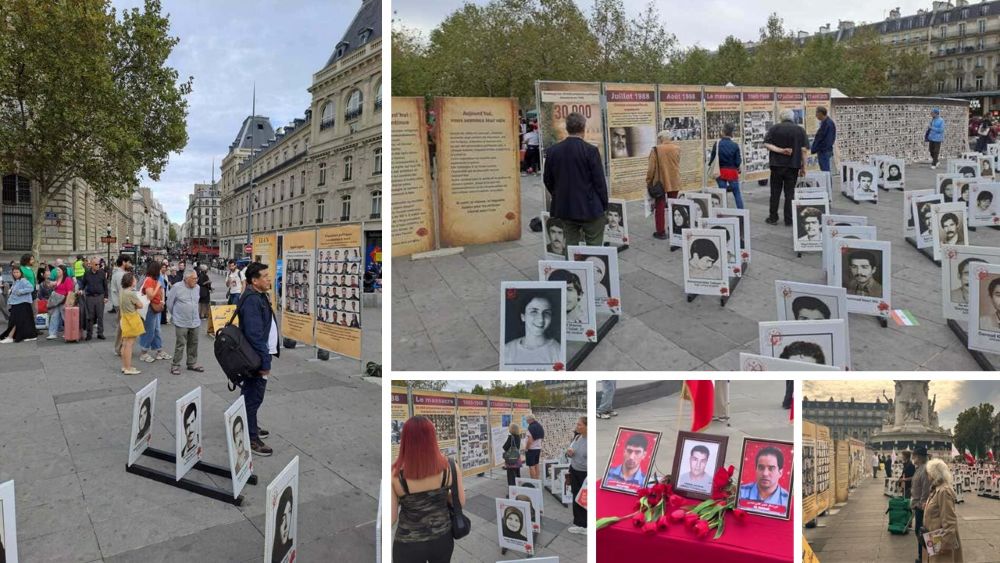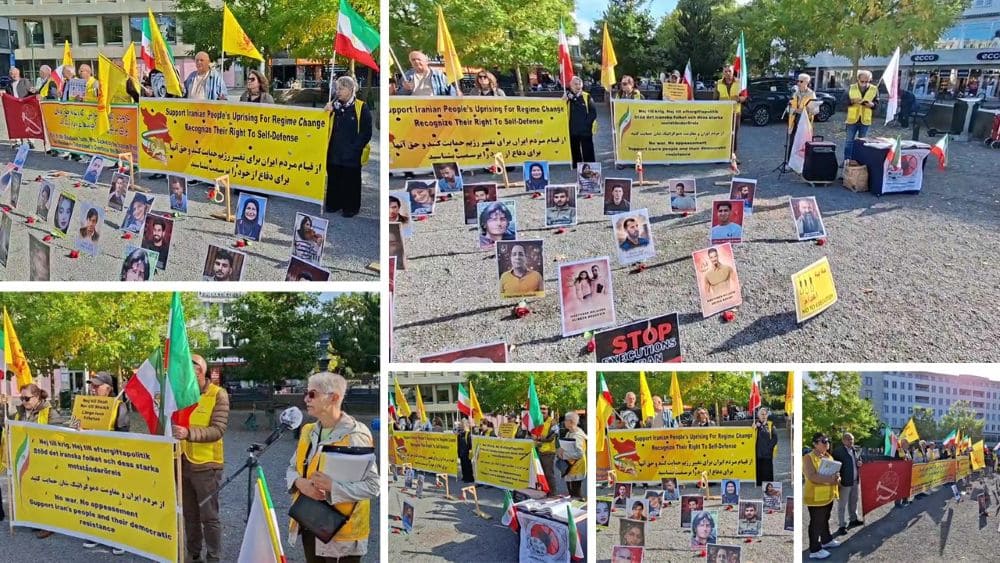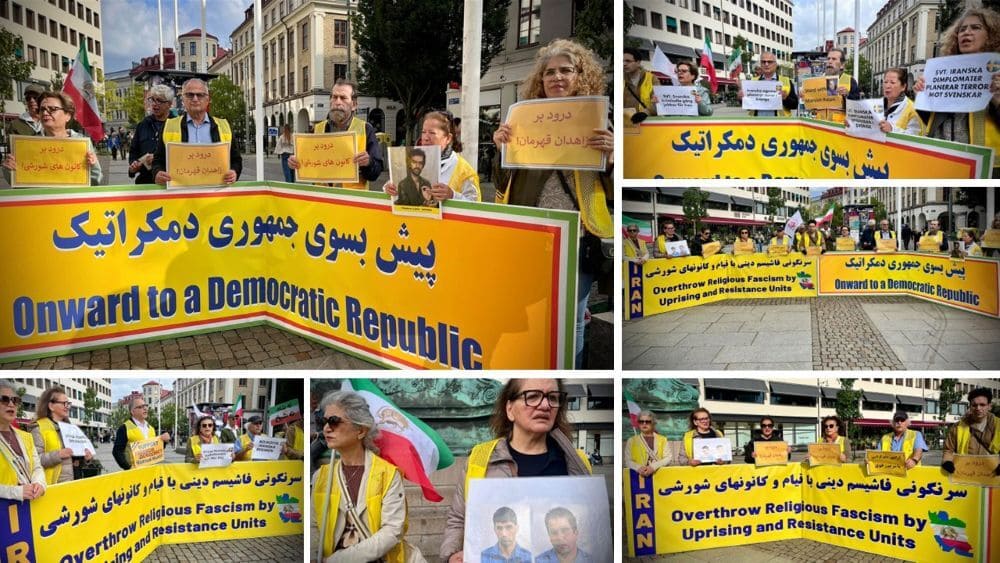
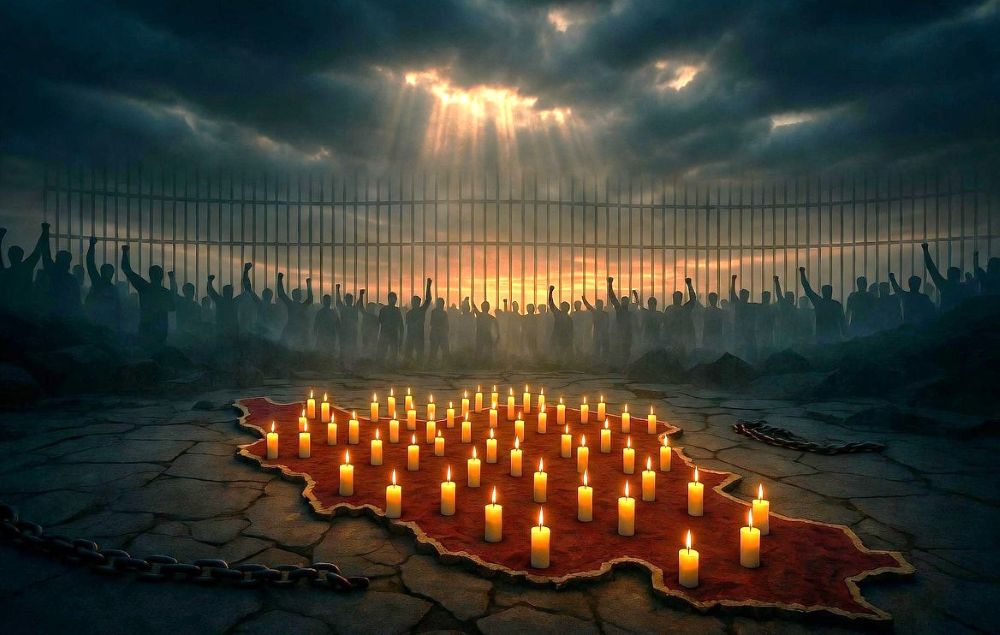
In the first half of 2026, the Iranian regime has escalated its use of the death penalty to unprecedented levels, turning prisons into extensions of the street massacres that accompanied the January nationwide uprising. According to documented reports by Iran Human Rights Monitor (Iran HRM), hundreds of people have been hanged, many in secret, with a disproportionate number of political prisoners and protesters among the victims. These killings form part of a deliberate campaign of terror aimed at crushing dissent following the largest popular revolt in recent Iranian history.
The January 2026 Uprising and Its Bloody Aftermath
January 2026 saw a spontaneous nationwide uprising erupt across more than 400 cities. Security forces responded with lethal force—direct headshots, execution-style killings of the wounded, and attacks inside hospitals. Official figures acknowledged 3,117 protester deaths, while credible estimates place the true toll far higher. At least 50,000 people were arrested. Eyewitness accounts and leaked documents describe a policy of extermination that Iran HRM has characterized as crimes against humanity.
Even as the streets were cleared, the gallows continued the work. In January alone, at least 341 prisoners were executed—five of them women—marking the fourth consecutive month above 300. Many of these hangings occurred in the final days of the month, averaging one every two hours. The regime treated prison executions as the silent continuation of the street massacre.
Escalating Numbers Across 2026
The pace of killings remained extreme in subsequent months:
- February: at least 307 executions, including five women.
- April: at least 26 recorded executions, several of them political.
- May: at least 67 executions, 50 of them carried out in secret.
- June: 141 executions, 132 of them unannounced.
Provinces such as Razavi Khorasan, Khuzestan, Lorestan, Isfahan, Fars, and Kerman recorded particularly high numbers. A significant share of the victims belonged to marginalized ethnic minorities, especially Kurds and Baluch.
Political Prisoners and Protesters in the Crosshairs
The regime has systematically targeted those linked to opposition groups and the January protests. Multiple members and supporters of the People’s Mojahedin Organization of Iran (PMOI/MEK) were hanged after trials based on forced confessions extracted under torture. Charges such as “membership in the MEK with intent to overthrow the regime,” “baghi” (armed rebellion), and “moharebeh” (enmity against God) were routinely applied.
Protesters arrested during the January uprising faced the same fate. Young detainees—some as young as 18 or 21—were executed on accusations of attacking security forces, setting fire to Basij bases, or “leading riots.” In several cases, the judiciary openly admitted accelerating procedures to bypass normal appeals, treating the death penalty as a tool of political intimidation rather than justice.Female political prisoners have also been subjected to intensified pressure, including additional sentences for participating in the “No to Execution Tuesdays” campaign, denial of family visits, and medical neglect.
Torture, Unfair Trials, and Judicial Hypocrisy
Despite official claims of adherence to citizenship rights and the prohibition of torture, evidence shows systematic violations. Defendants are routinely denied independent counsel, subjected to prolonged solitary confinement, physical beatings, sleep deprivation, and threats against family members. Confessions obtained under duress form the basis of death sentences issued after brief, closed-door proceedings.
State media simultaneously praises “decisive action” and “deterrence” while claiming respect for due process—an open contradiction that Iran HRM has described as judicial hypocrisy. Families are often denied the bodies of the executed or the location of burial sites, extending the punishment beyond death.
International Responsibility and the Path Forward
Iran is a state party to the International Covenant on Civil and Political Rights. The pattern of mass arbitrary executions, torture, and suppression of peaceful protest constitutes grave breaches of its international obligations. Iran HRM has repeatedly called for an independent international fact-finding mission to Iranian prisons, an immediate halt to all executions, and concrete accountability measures by the United Nations and member states.
The “No to Execution Tuesdays” campaign, now in its second year inside dozens of prisons, continues despite severe repression, demonstrating that the regime’s strategy of terror has not extinguished resistance.
The numbers are not abstract statistics. They represent young protesters, long-term political prisoners, women, and members of ethnic minorities whose lives were extinguished to preserve a system that fears its own people. The international community’s silence only emboldens further killings. Urgent, concrete action is required before the gallows claim still more victims.