Tehran Demonstrations Escalate
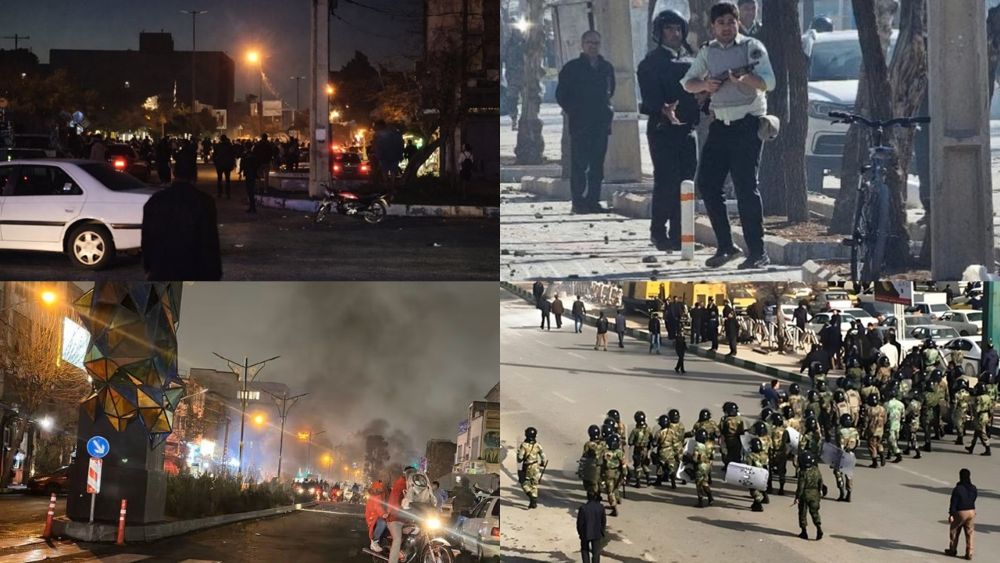
Nightly protests and hit-and-run clashes erupted across Tehran on January 4, 2026, the eighth day of the nationwide uprising, with residents chanting “Death to Khamenei” in areas like Jomhouri, Moshiriyeh, Sadeghieh, Narmak, Tehransar, Valiasr Town, Jannat Abad, and Chaharrah-e Sirous. Security forces deployed tear gas and pellet guns against merchants on Saadi and Hafez streets near Alaeddin and Charsou passages, prompting defiant youths to set fire to trash bins and erect roadblocks. In Molavi Street, regime agents fired on curtain sellers, while students at Tarbiat Modares University and Khajeh Nasir dormitories chanted, “This nation will not be a nation until the mullahs are buried,” clashing with forces into the night.
Bazaar Strikes Grip Capital’s Heart
Strikes paralyzed Tehran’s Bazaar, the economic nerve center, as merchants and shopkeepers protested regime raids, marking a significant escalation with bazaaris joining street battles. Protesters blocked key areas around Saadi, Hafez, Alaeddin, and Charsou, resisting suppression with fires and barricades, while chants of “Basiji, IRGC, you are our ISIS” rang out from students at Tarbiat Modares and Birjand.
Deadly Violence in Key Provinces
Armed clashes broke out in Nurabad Mamasani, Fars province, with hit-and-run attacks ongoing against regime agents. In Ilam province’s Malekshahi, funerals for three martyrs turned into massive protests with chants of “I will kill, I will kill the one who killed my brother” and “Death to Khamenei,” as youths blocked roads with fires and barricades. Regime forces stormed Khomeini Hospital in Ilam, beating wounded protesters, sparking resident backlash with more fires and roadblocks late into the night.
Martyrs’ Funerals Fuel Rage
In Hafshejan, Chaharmahal and Bakhtiari province, 15-year-old martyr Soroush Soleimani, killed by direct regime fire on January 3, was buried amid chants of “This withered flower is a gift to the homeland” and “It is a day of mourning today”. Kuhdasht, Lorestan province, saw martyr Amir Hesam Khodayari’s funeral procession with cries of “Mother, mother, it’s time for war,” while Reza Azimzadeh’s burial in Malekshahi became another flashpoint of fury.
Widespread Clashes Across Cities
The uprising expanded to 107 cities despite heavy security, with clashes in Isfahan at Si-o-Se-Pol, Khaju Bridge, and Chaharbagh where youths torched police vehicles; Fuladshahr confrontations; Kermanshah’s Jafarabad and Shariati streets forcing police flight; Qorveh in Kurdistan; Mashhad’s Ahmadabad and Shandiz led by women; and road blockades in Ahvaz-Andimeshk, Sari, Yazd, Lahijan, Hamedan, Bushehr, Yasuj, Zahedan, Qazvin, Dorud, Khorramabad, and Dezful. Protests in Mehdi Shahr chanted “Death to the dictator,” signaling relentless momentum against the regime.