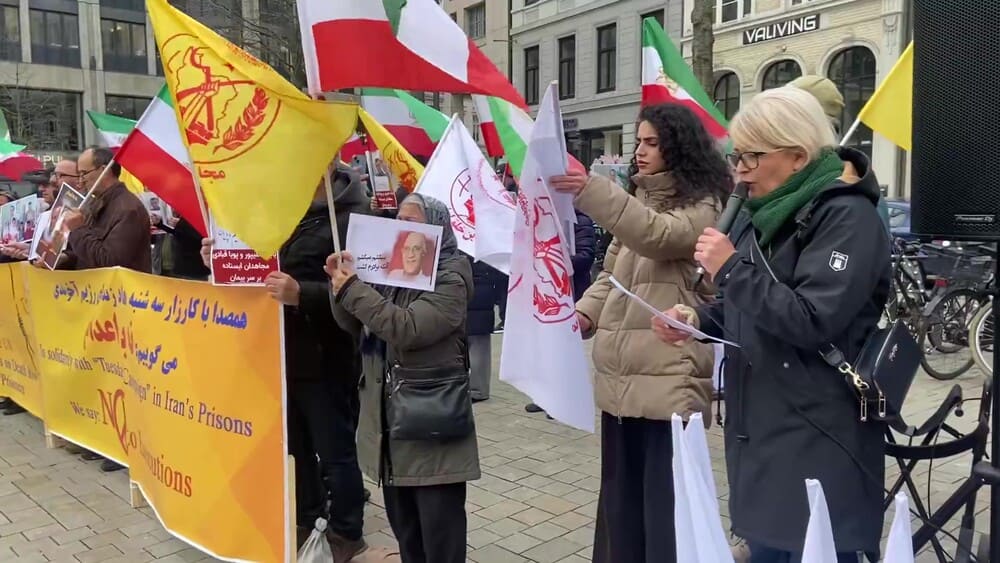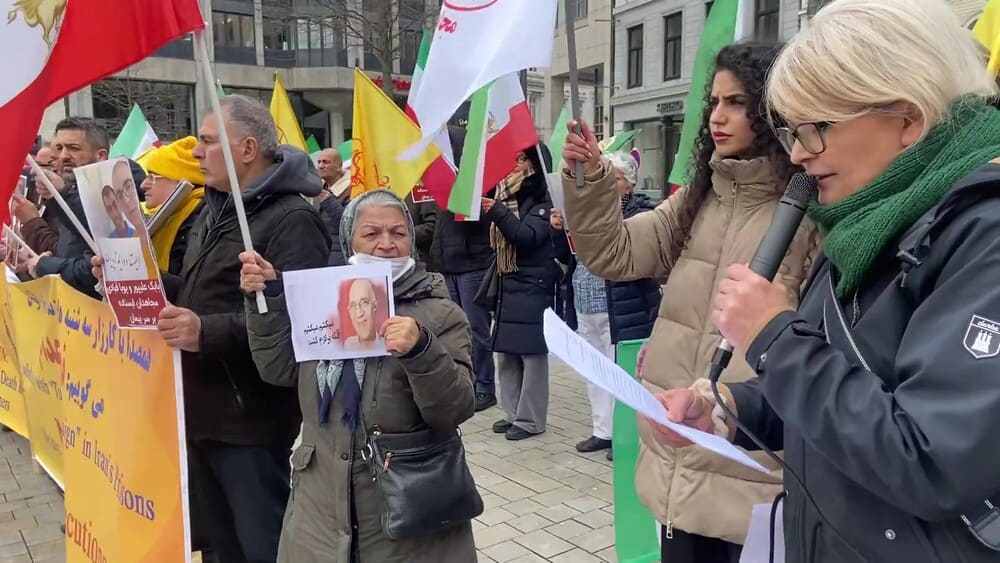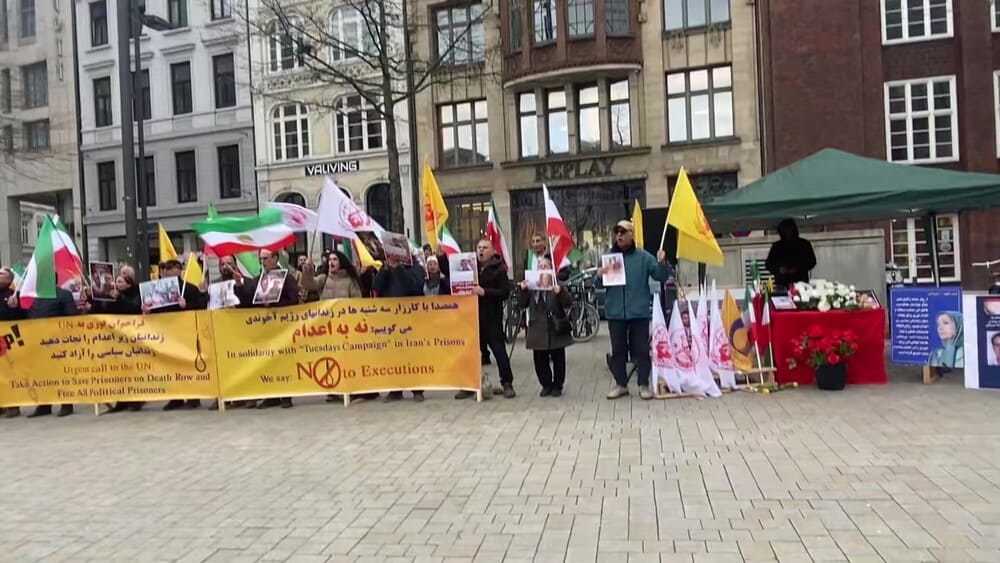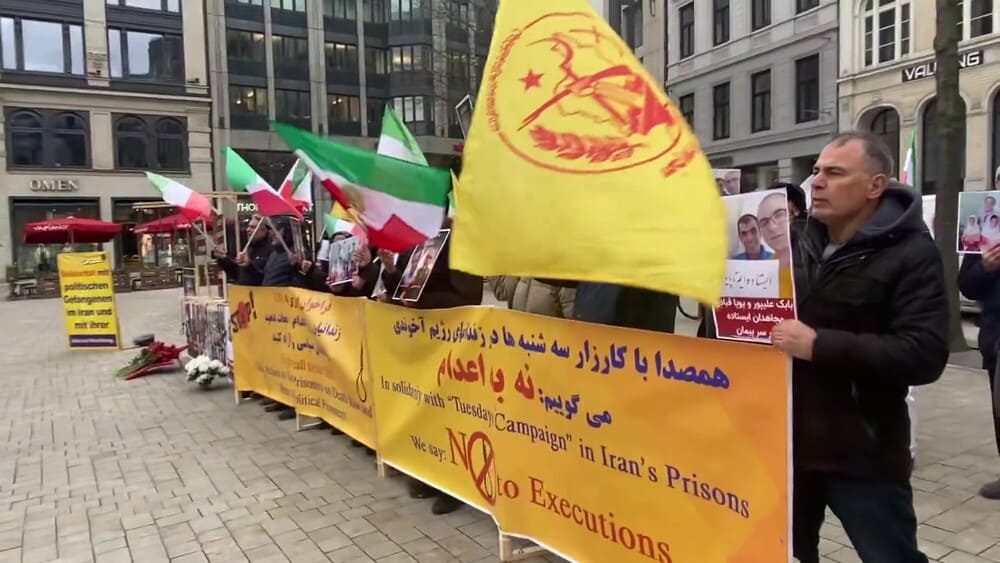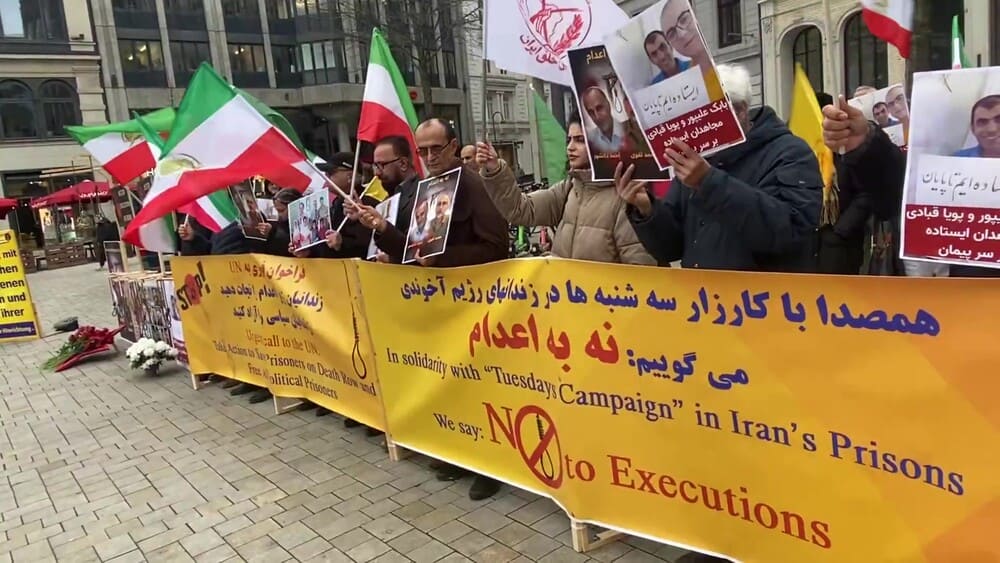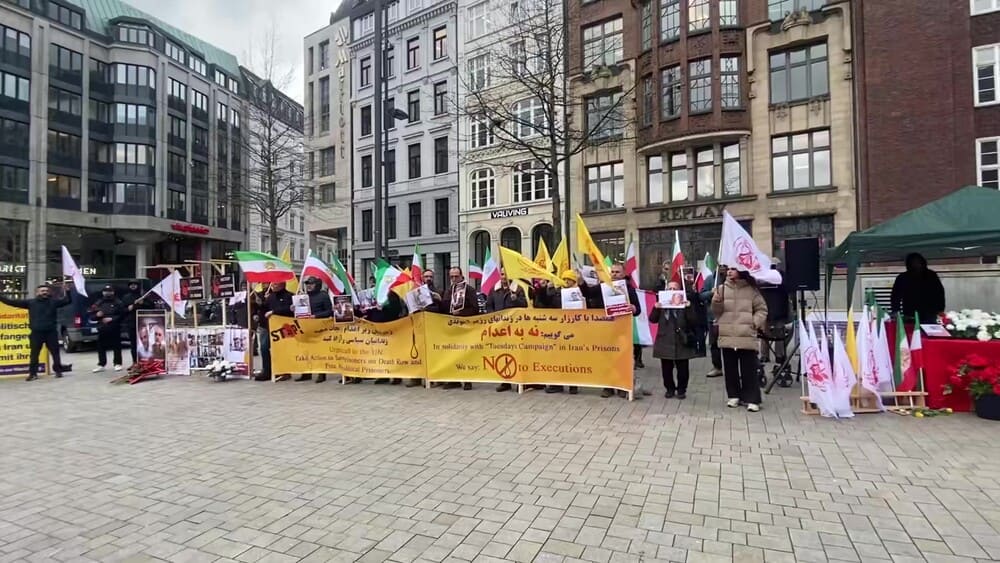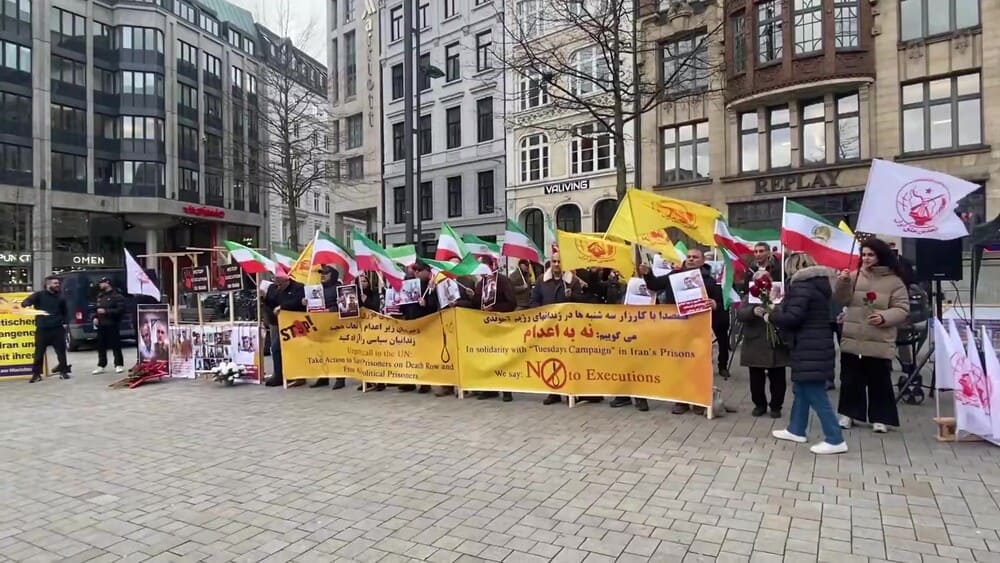


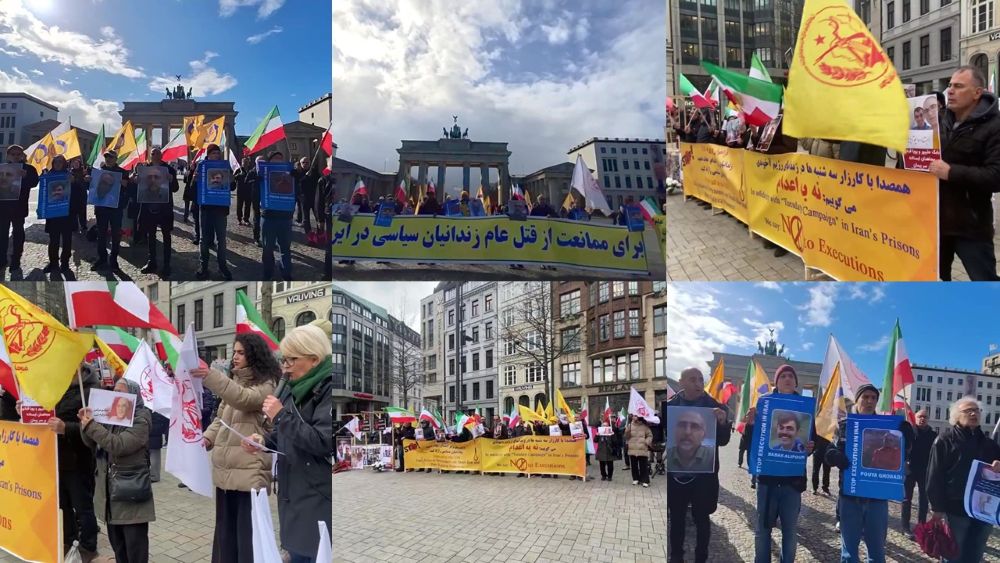
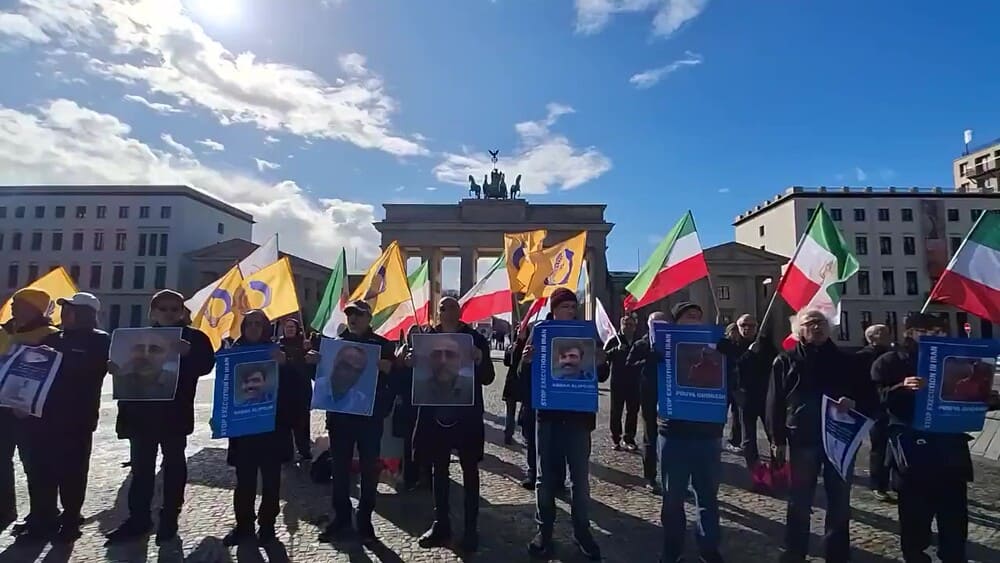
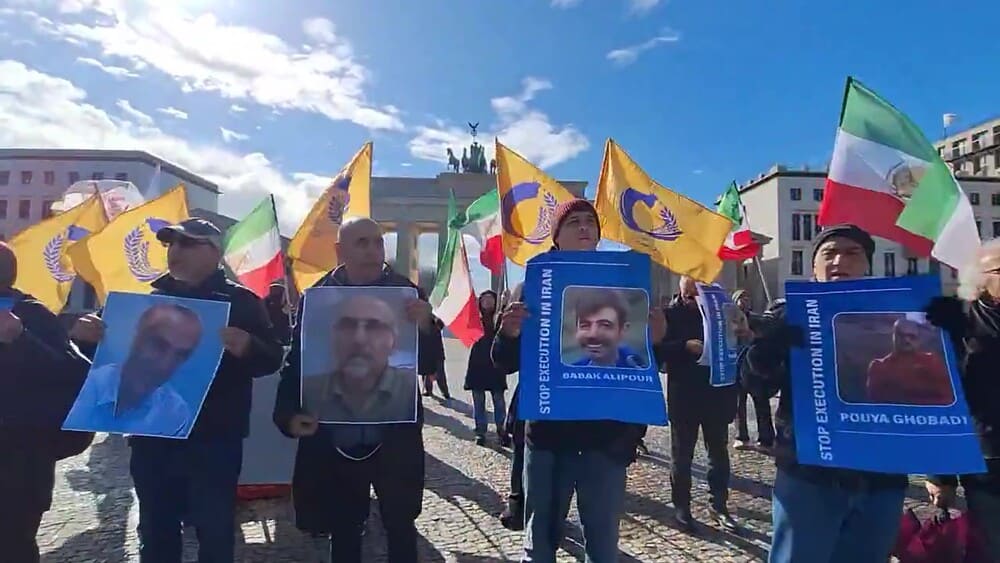
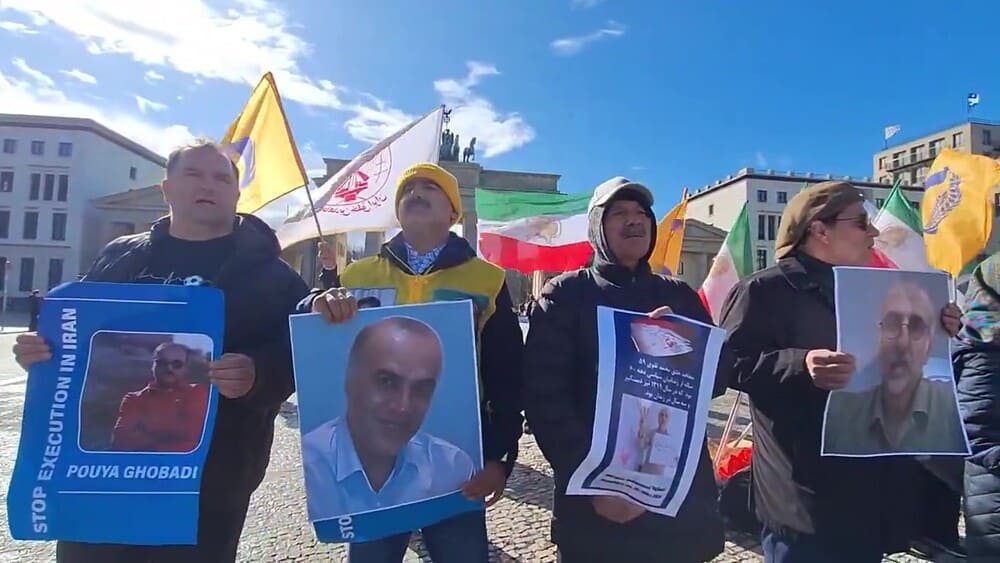
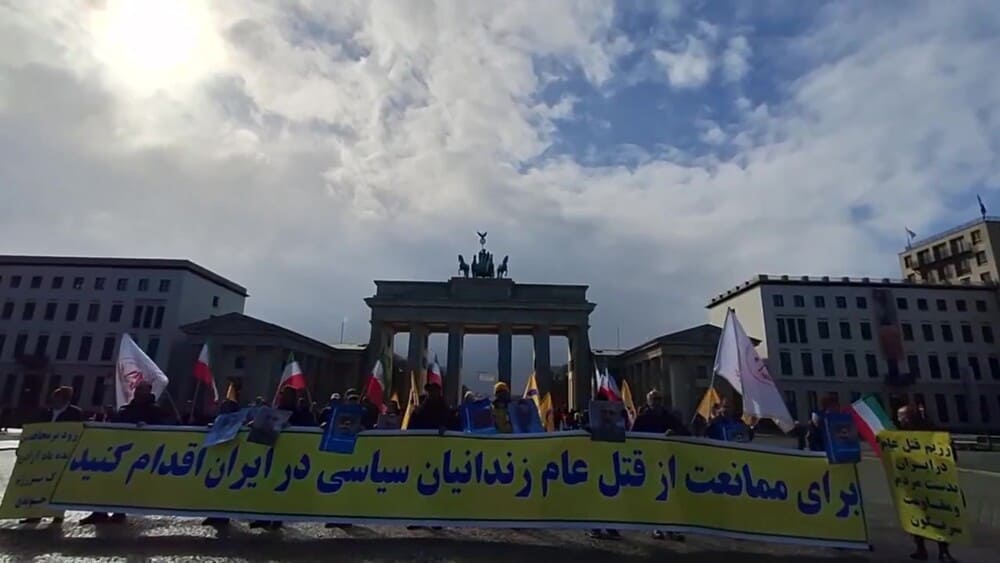
March 31, 2026 — Supporters of the People’s Mojahedin Organization of Iran (PMOI/MEK) held rallies in Berlin and Hamburg to condemn the execution of political prisoners by the Iranian regime.
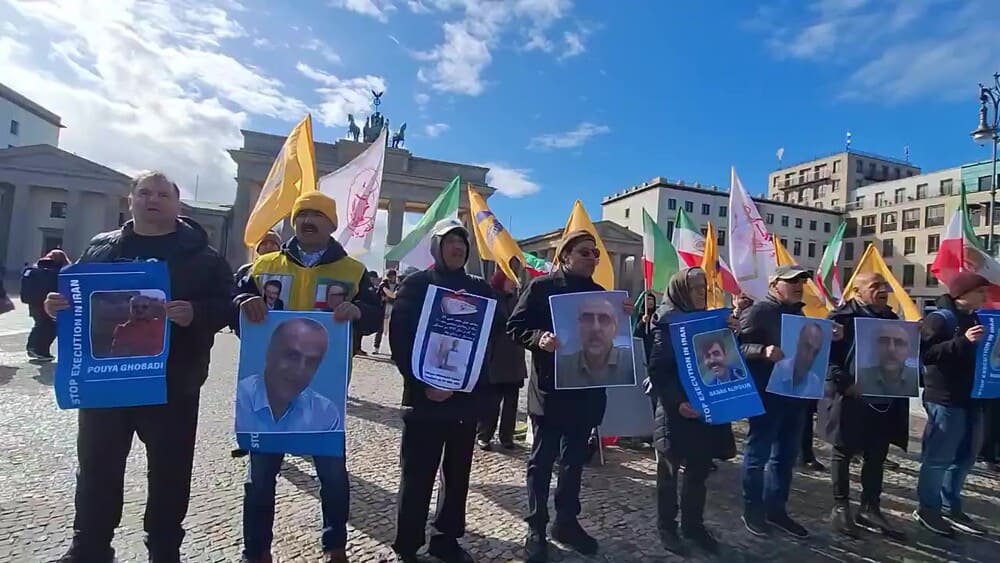
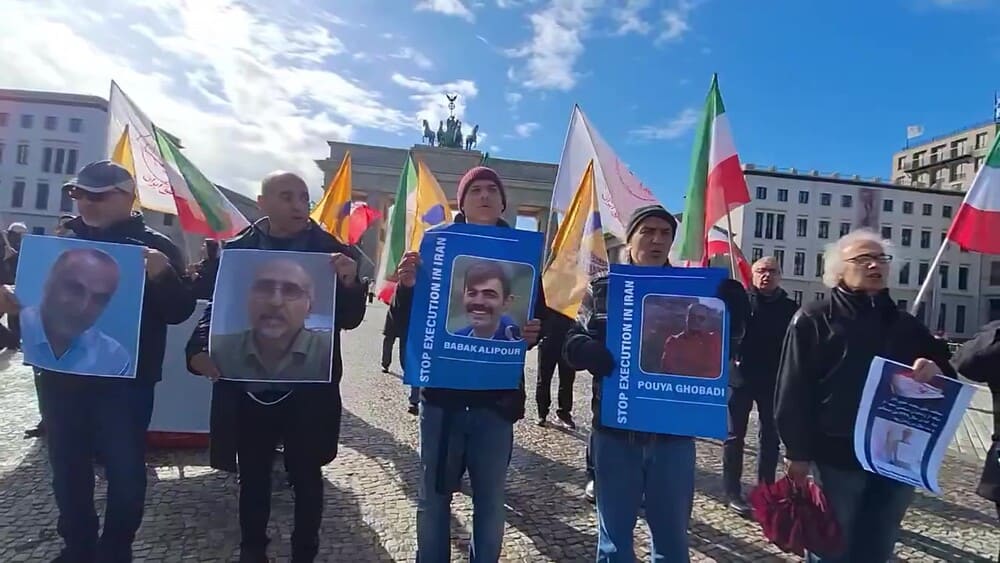
In Berlin, demonstrators gathered at the Brandenburg Gate, while a parallel protest took place in Hamburg, as participants honored Babak Alipour and Pouya Ghobadi, executed on Tuesday, March 31. The rallies also commemorated Mohammad Taghavi and Akbar Daneshvarkar, who were executed a day earlier, highlighting a rapid escalation in executions targeting MEK political prisoners.

Participants described the executions as a deliberate attempt by the Iranian regime to suppress rising social unrest and dismantle organized resistance. They stressed that the increasing use of capital punishment reflects deep concern within the regime over growing opposition and support for resistance movements.
Protesters called on European governments and the broader international community to take a firm stance against the executions and to hold Iranian authorities accountable. They warned that continued silence risks enabling further atrocities and could pave the way for a repeat of past crimes against political prisoners.

Demonstrators emphasized that executions are being used as a tool of repression and intimidation, but argued that such measures ultimately expose the regime’s weakness and fear of the Iranian people’s demand for freedom.
Background:
Mrs. Maryam Rajavi, President-elect of the National Council of Resistance of Iran (NCRI), strongly condemned the executions of Babak Alipour and Pouya Ghobadi, describing them as evidence of the regime’s fear and desperation in the face of growing public unrest and expanding support for resistance movements.
At dawn today(Tuesday31March) #BabakAlipour and #PouyaGhobadi, two members of the People’s Mojahedin Organization of Iran (PMOI/MEK), were executed in Qezel Hesar Prison by the religious fascism ruling Iran.
The brutal execution of these PMOI members reflects the clerical… pic.twitter.com/enAaf3zChQ— Maryam Rajavi (@Maryam_Rajavi) March 31, 2026
She stated that carrying out such executions, particularly amid external pressures, reveals that the regime views the Iranian people and organized resistance as its primary threat. Rajavi emphasized that those executed, along with Mohammad Taghavi and Akbar Daneshvarkar, represent enduring symbols of sacrifice and steadfast resistance who refused to yield under pressure.

Calling the executions a grave crime, she urged the United Nations, its member states, and human rights organizations to take immediate and concrete action to prevent further executions. She stressed the need for practical measures, including holding Iranian officials accountable and increasing diplomatic pressure, warning that continued inaction could lead to more loss of life among political prisoners.

Berlin:
Hamburg: