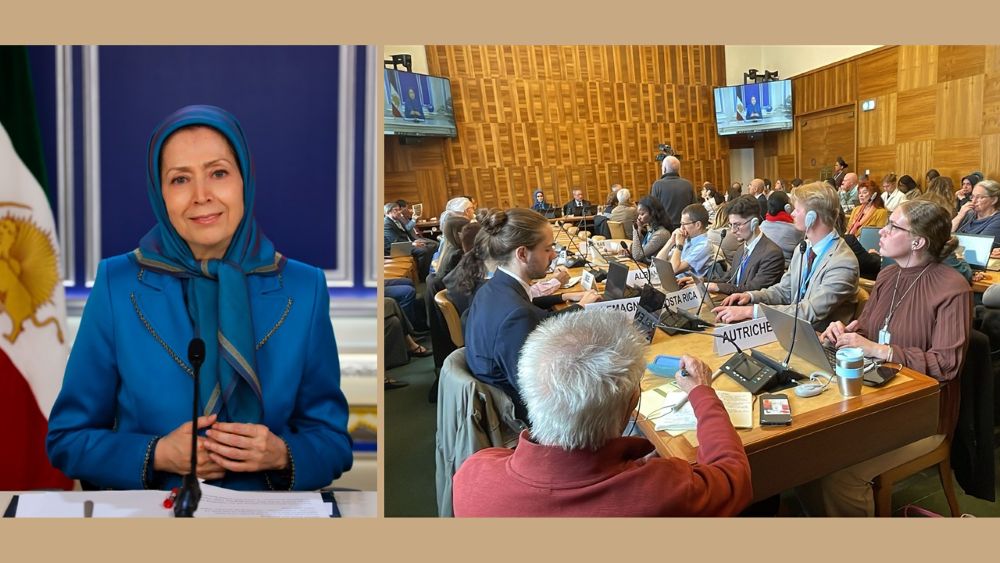
A Critical Moment for Human Rights in Iran
At the United Nations Human Rights Conference in Geneva, Mrs. Maryam Rajavi, the President-elect of the National Council of Resistance of Iran (NCRI), delivered a powerful message. She warned that silence in the face of Iran’s human rights abuses only emboldens Supreme Leader Ali Khamenei to continue repression at home and warmongering abroad.
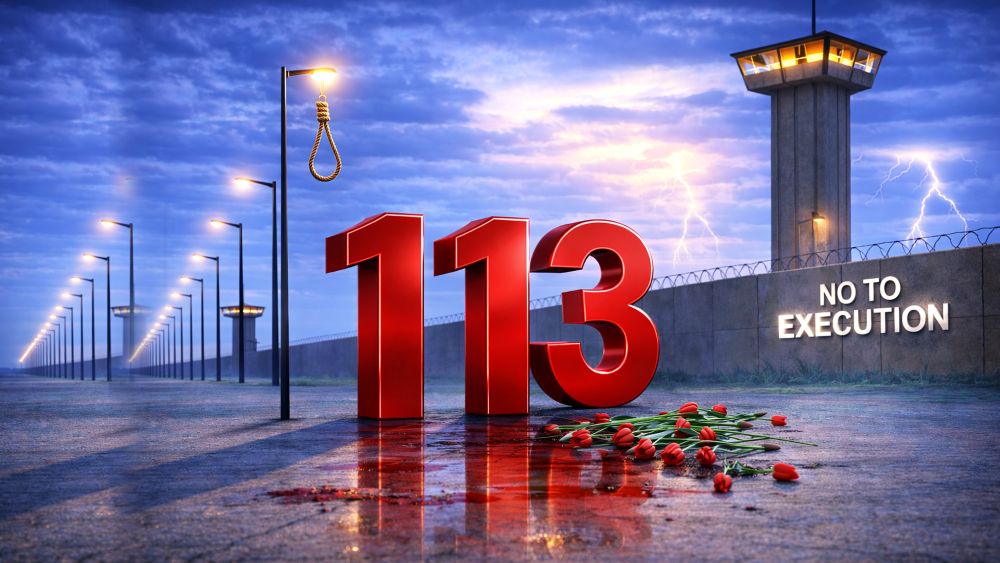
Mrs. Rajavi highlighted the shocking scale of executions: over 450 executions in less than three months, and nearly 1,850 executions in just 14 months, including women and political prisoners. She reminded the audience that even state-controlled media in Iran openly call for repeating past atrocities, such as the 1988 massacre of political prisoners, which the United Nations has recognized as both genocide and a crime against humanity.
Beyond Executions: Systematic Repression
Mrs. Rajavi stressed that human rights abuses in Iran go far beyond executions. Members and supporters of the People’s Mojahedin Organization of Iran (PMOI/MEK) face constant persecution.
-
Courts in Tehran have labeled the PMOI as guilty of bagh-ye (rebellion against the regime), a charge punishable only by death.
-
Recent executions, such as those of Behrouz Ehsani and Mehdi Hassani, demonstrate the regime’s determination to silence dissent.
-
Prisoners like Maryam Akbari Monfared remain behind bars for more than 15 years simply for demanding justice for victims of past massacres.
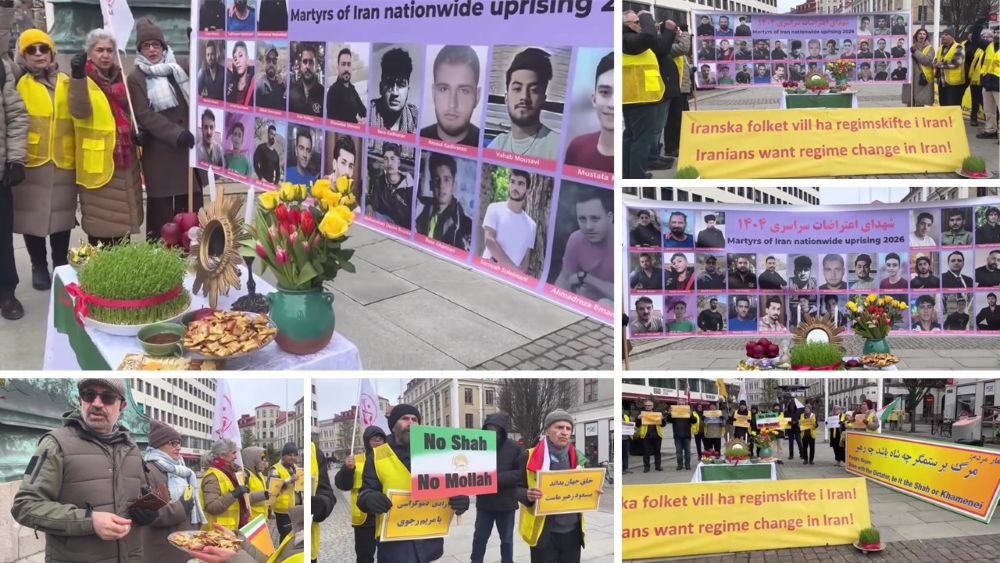
Inside Iran, a growing movement has emerged under the slogan “No to Execution.” Demonstrations, strikes, and even prisoner-led campaigns like “No to Execution Tuesdays”—involving hunger strikes across 52 prisons—show the people’s defiance.
Meanwhile, prisons deny detainees even basic rights, such as medical care, leading to preventable deaths. Women prisoners, particularly in Qarchak Prison in Varamin, endure the harshest conditions.
Human rights abuses in Iran go far beyond executions and imprisonment. Prisoners are denied even the most basic living and sanitary conditions. Their right to medical care is systematically violated, and some have died as a result.
The situation for women prisoners is even worse,… pic.twitter.com/dXVel0jAyf— Maryam Rajavi (@Maryam_Rajavi) September 29, 2025
The Urgent Duty of the International Community
Mrs. Rajavi reminded the conference that the crimes of the 1980s, particularly the 1988 massacre, remain unpunished. Without accountability, these atrocities are being repeated today.
She urged governments and UN bodies to:
-
End impunity for Iranian officials.
-
Apply universal jurisdiction to issue arrest warrants for Khamenei and others responsible for crimes against humanity.
-
Support the rights of protesters, rebellious youth, and Resistance Units in their struggle against the IRGC.
Mrs. Rajavi also warned about Iran’s nuclear ambitions, pointing to Khamenei’s open pledge to continue uranium enrichment at 60%. She emphasized that defending human rights in Iran is not only a moral obligation but also essential for peace and stability in the region and the world.
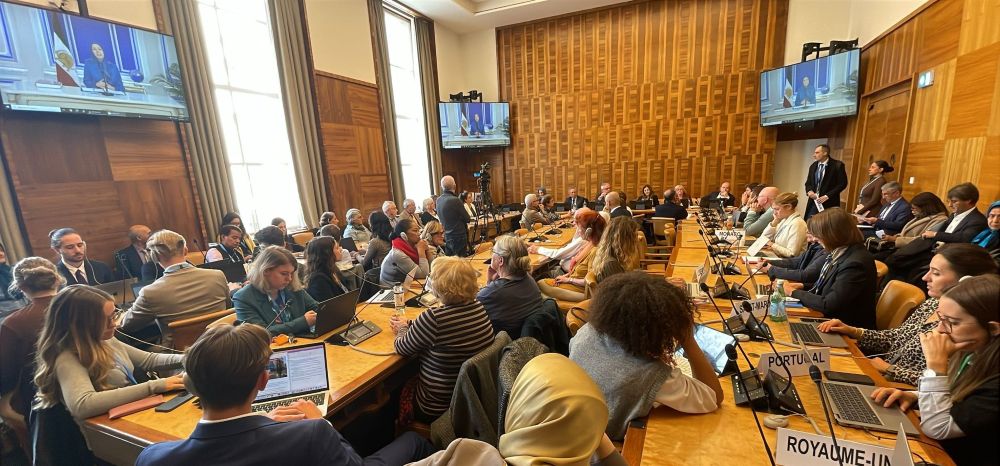
A Struggle for Freedom and Peace
In closing, Mrs. Rajavi called on the international community to stand with the Iranian people in their pursuit of freedom, justice, and human rights. She underscored that their struggle is not only for Iran’s liberation but also for global peace.