Overview of the Free Iran Convention 2025
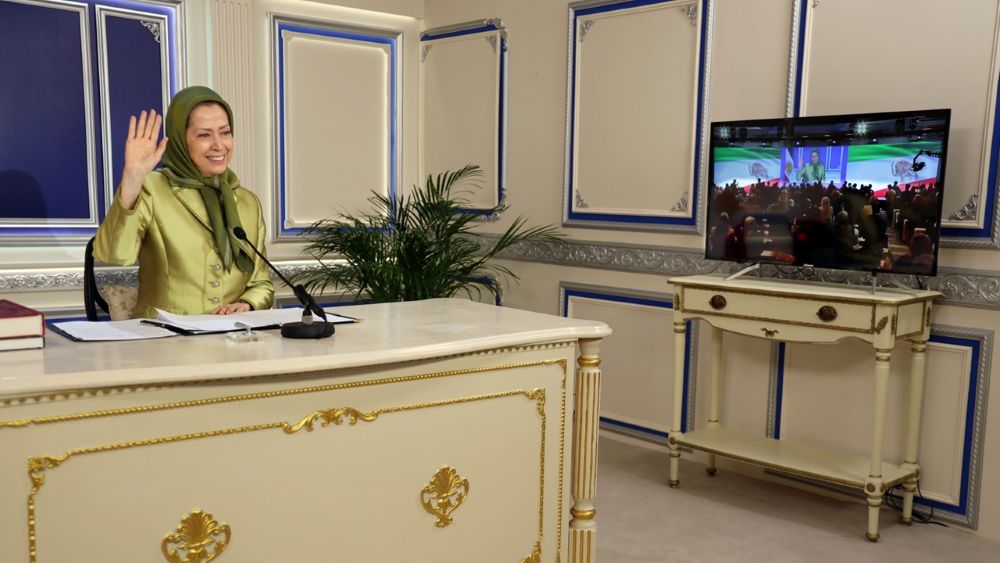
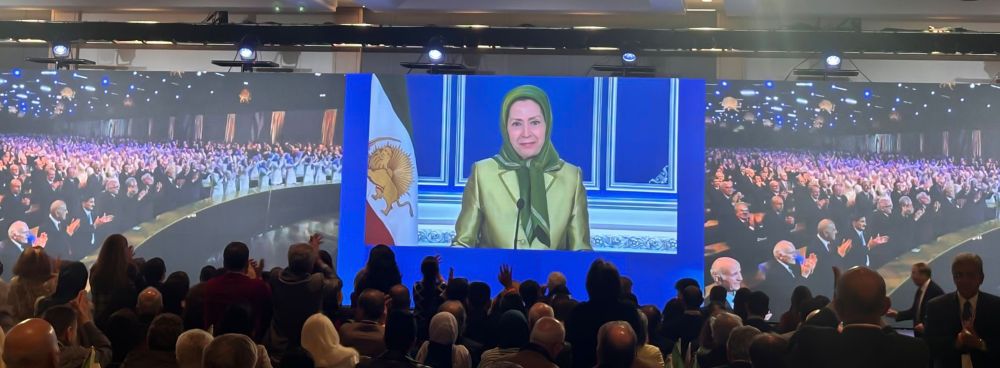
The Free Iran Convention 2025 in Washington, D.C., convened supporters of Iranian democracy, policymakers, and members of the Iranian diaspora for an in-depth examination of Iran’s evolving political landscape. Mrs. Maryam Rajavi, the President-elect of the National Council of Resistance of Iran (NCRI), delivered the keynote address, calling regime change in Iran “the fundamental question of our time.”
In her remarks, Mrs. Rajavi acknowledged participants, honored the victims of past uprisings—particularly the November 2019 protesters—and highlighted the urgency of the current moment.
A Nation on the Brink: Social Pressures and Rising Unrest
Mrs. Rajavi outlined the accelerating decline of the ruling establishment, asserting that the regime has entered “the final phase of its winter.” She cited widespread unemployment, deepening poverty, and failing public infrastructure as catalysts for Iran’s simmering unrest.
From young people and women struggling under economic strain to the growing frustration of workers, teachers, retirees, and residents of impoverished outskirts, she described Iranian society as a “powder keg ready to ignite.”
She also referenced the tragic self-immolation of young Ahvazi citizen Ahmad Baledi as symbolic of a society pushed beyond its limits.
Regime Incapacity and the Failure of Reform
Mrs. Rajavi emphasized that the regime is structurally incapable of meaningful reform—political, economic, or social. Despite immense costs, she said, the leadership remains committed to regional warmongering and the continuation of its nuclear program.
Recalling the MEK’s early attempts at reform in the 1980s, she explained that the response was brutal repression, executions, and systematic political elimination.
Western Appeasement and Its Consequences
A significant portion of her speech condemned decades of Western “appeasement,” which she argued enabled the regime’s expansionism and obstructed democratic change. Mrs. Rajavi pointed to past policies that blacklisted the MEK and targeted the Iranian Resistance at the behest of Tehran, shifting the regional balance in favor of the clerical establishment.
The Third Option: A Democratic Alternative
Mrs. Rajavi reiterated her long-standing proposal, the Third Option: neither appeasement nor foreign military intervention, but the overthrow of the regime by the Iranian people and their organized resistance.
She stated that the recent regional conflict has exposed the failures of appeasement and demonstrated that war will not bring democratic transition.
Despite propaganda, she said, the Iranian people remain determined to achieve a democratic republic—rejecting both monarchical and theocratic dictatorship.
Anniversary of the 2019 November Uprising
Marking the sixth anniversary of the November 2019 uprising, Mrs. Rajavi described it as a turning point that revealed a new generation of courageous youth committed to ending religious tyranny.
She referenced the killing of at least 1,500 protesters at the time, as well as the thousands of regime centers targeted during the nationwide revolt.
This “Army of Freedom,” she said, continues to grow despite harsh repression, including recent executions of MEK supporters. The presence of these Resistance Units inside Iran, she argued, provides the real mechanism for change.
Ashraf-3 and the Role of the Organized Resistance
Mrs. Rajavi praised the MEK members in Ashraf-3 for maintaining decades of political experience, organizational discipline, and personal sacrifice. Their steadfastness, she said, inspires young Iranians and strengthens the foundation for a future democratic transition.
A Democratic Program for Tomorrow’s Iran
The NCRI’s political platform, she stressed, is built on decades of struggle and a commitment to a free, democratic republic based on:
-
separation of religion and state
-
gender equality and women’s leadership
-
autonomy for Iran’s nationalities
-
peaceful regional engagement
-
abolition of torture, executions, and all forms of discrimination
-
dismantling the regime’s nuclear project in favor of democratic development
Mrs. Rajavi reiterated that the goal is not to seize power, but to return sovereignty to the Iranian people. According to NCRI plans, a provisional government would oversee free elections for a Constituent Assembly within six months of the regime’s fall.
Closing Appeal
In her final message, Mrs. Rajavi called on governments worldwide to recognize the Iranian people’s right to resist and urged support for the rebellious youth confronting the Revolutionary Guards.
“Victory be yours,” she concluded.