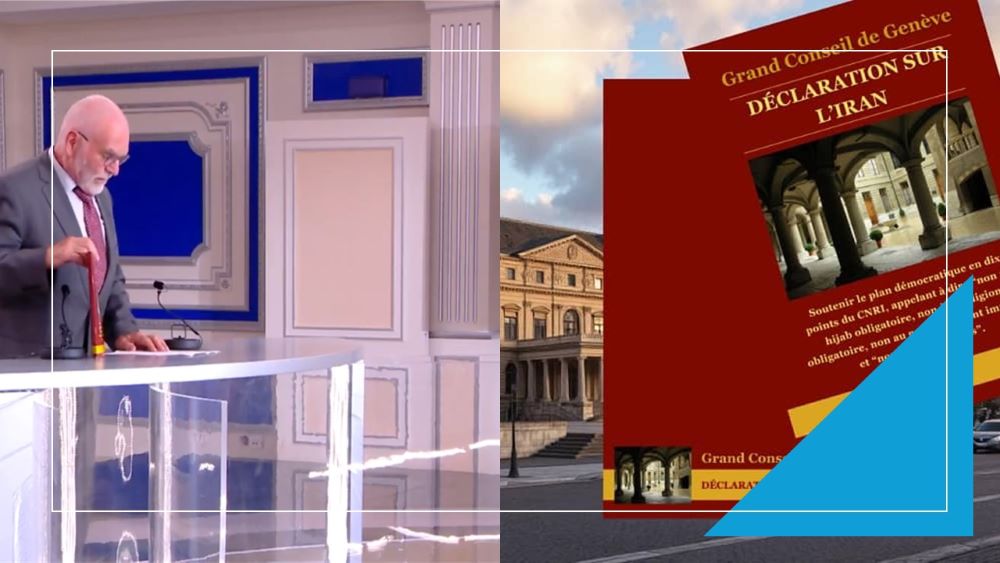
A majority of the members of the Grand Council of Geneva have taken a powerful and principled stand by signing a declaration of solidarity with the Iranian people, expressing unwavering support for their fight for freedom, human rights, and a democratic future. The signatories — elected representatives of the Swiss canton — strongly condemn the Iranian regime’s systematic human rights violations and affirm the role of Iran’s organized resistance in shaping a just and democratic alternative.
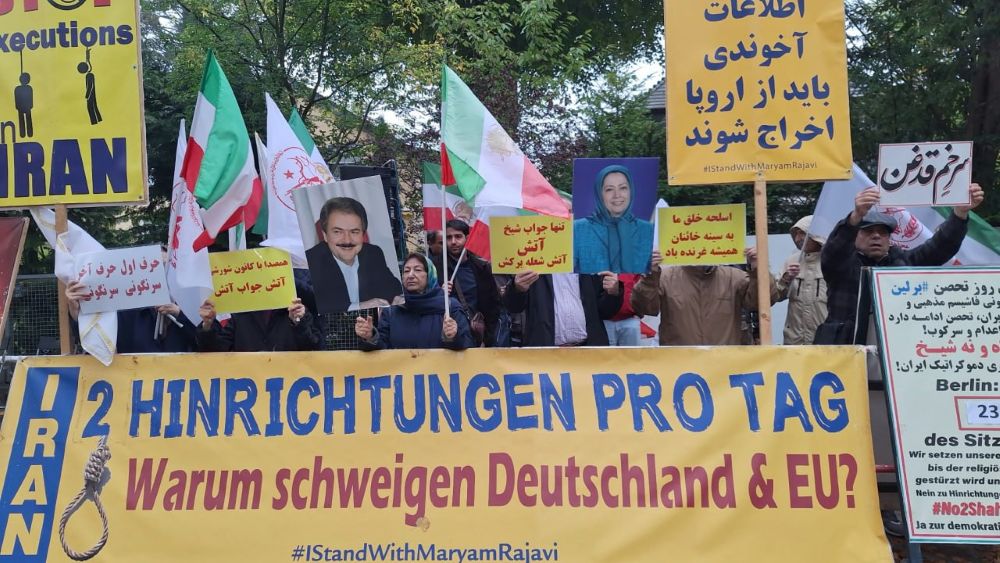
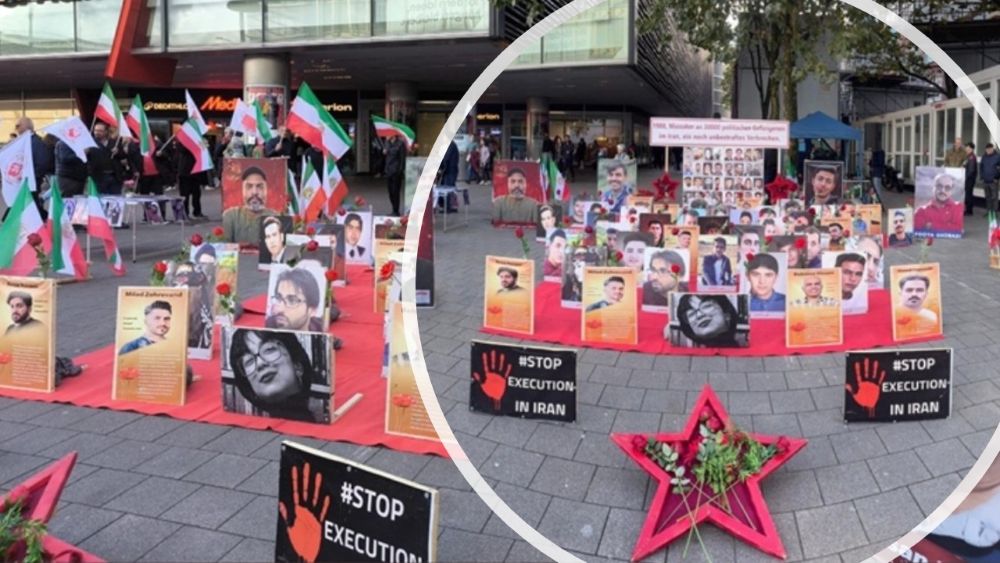
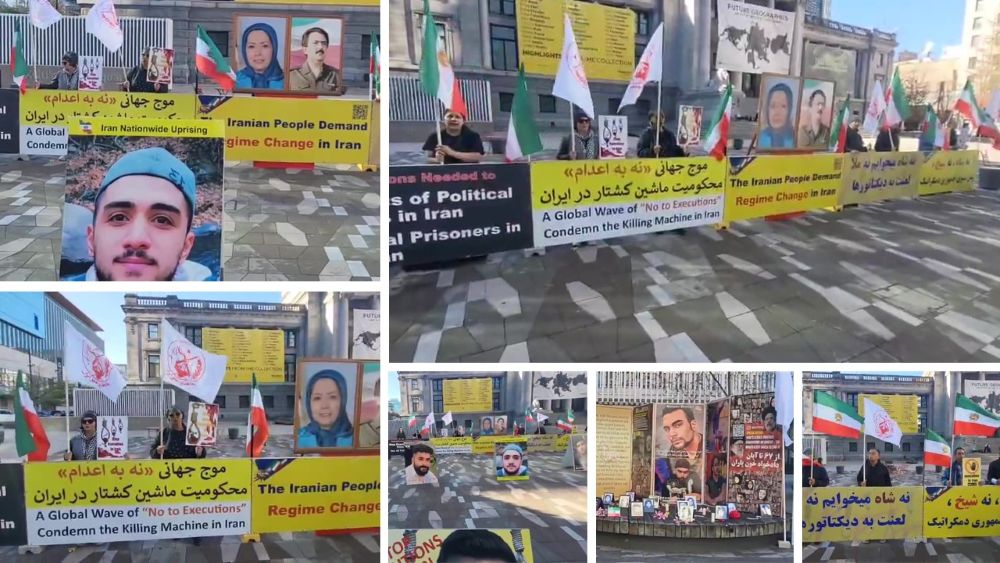
In their declaration, these members of the Grand Council express profound concern over the human rights crisis in Iran, highlighting the alarming figure of at least 1,000 executions carried out by the regime in 2024 alone. They specifically denounce the so-called “hijab and chastity law” — not merely as a tool of compulsory veiling, but as an instrument of total state control over society. This repressive policy stands in direct opposition to the democratic opposition’s clear and defiant message: “No to compulsory hijab, no to compulsory religion, and no to compulsory government” — the central theme of the “No to Executions” campaign.
The signatories also draw attention to the regime’s escalating repression in the face of growing dissent, including a spike in executions intended to silence opposition. Notably, by the end of 2024, nine political prisoners were sentenced to death for alleged ties to the People’s Mojahedin Organization of Iran (PMOI/MEK), a move condemned by the Council members as a gross violation of international law and human dignity.
A Call from Elected Officials Amid a Weakening Regime
The declaration signed by Geneva lawmakers underscores that the Iranian regime’s reliance on proxy warfare and regional domination is increasingly unsustainable. Members point to the diminishing influence of Hezbollah and the rapid collapse of Syria’s dictatorship as signs that autocratic regimes like Tehran’s are far more fragile than they appear. They warn that complacency in the international community — or continued political or economic engagement with these regimes — endangers both democratic values and global stability.
These Council members stress that standing with the Iranian people’s call for regime change is not only a moral responsibility but a necessary political stance. They argue that any principled approach toward Iran must place the Iranian people — and their organized resistance — at the center.
Backing the Iranian People’s Democratic Aspirations
The declaration references the 2022 nationwide uprising in Iran, where millions rejected both monarchy and theocracy, demanding a democratic republic. This rejection was powerfully reinforced through the widespread boycott of the regime’s sham presidential elections. The members commend the persistent efforts of the Resistance Units, led by the PMOI, which have grown in activity and influence despite brutal crackdowns.
Acknowledging the complete lack of political freedom in Iran, the Council members recognize the Iranian people’s right to demand regime change — and affirm the legitimacy of Resistance Units confronting the Islamic Revolutionary Guard Corps (IRGC). They strongly advocate for the IRGC’s designation as a terrorist organization.
A Democratic Vision Supported by International Legislators
In closing, the signatories highlight the democratic platform presented by NCRI President-elect Maryam Rajavi — particularly her Ten-Point Plan — as a clear and inclusive roadmap to a democratic Iran. The members of the Grand Council of Geneva express support for this vision, which promotes gender equality, secular governance, and a democratic republic based on universal rights and freedoms.
They note that in June 2024, over 4,000 parliamentarians and more than 100 former heads of state and government from across the globe endorsed this plan. Echoing that support, the Geneva Council members call on governments everywhere to recognize and back this initiative — one that offers hope for a free Iran and a peaceful future for the region.