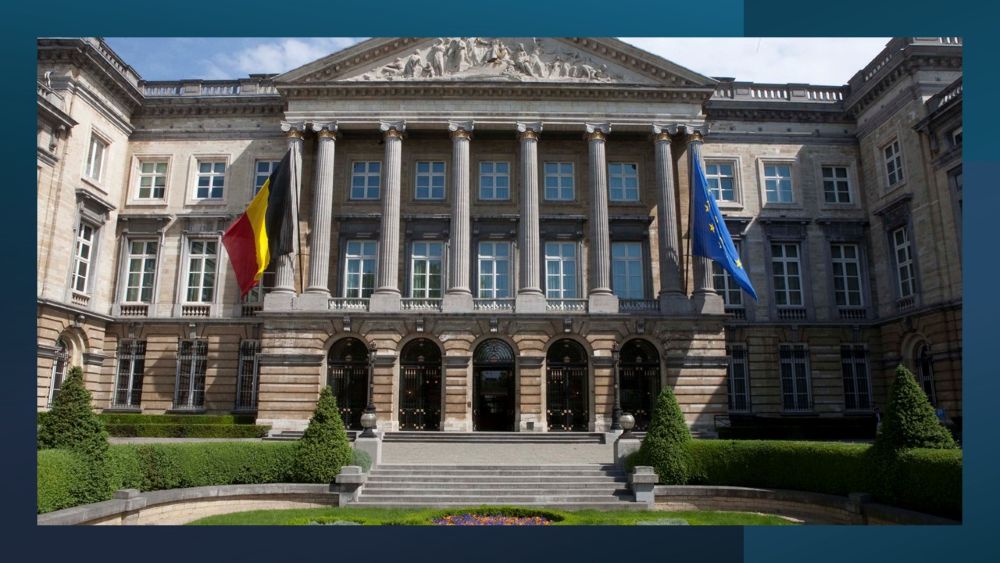
A Parliamentary Push for Human Rights
In a rare display of cross-party consensus, a significant number of Belgian lawmakers have united to speak out against the rising wave of executions in Iran, particularly targeting political dissidents. Citing concerns over systematic repression, 120 members of the federal and regional parliaments have called for a decisive European response—including the long-debated designation of Iran’s Islamic Revolutionary Guard Corps (IRGC) as a terrorist organization.
Their declaration, while not legally binding, underscores a growing sentiment in European political circles: that Tehran’s domestic brutality can no longer be ignored under the guise of diplomatic engagement.
Brussels as a Stage for Iranian Voices
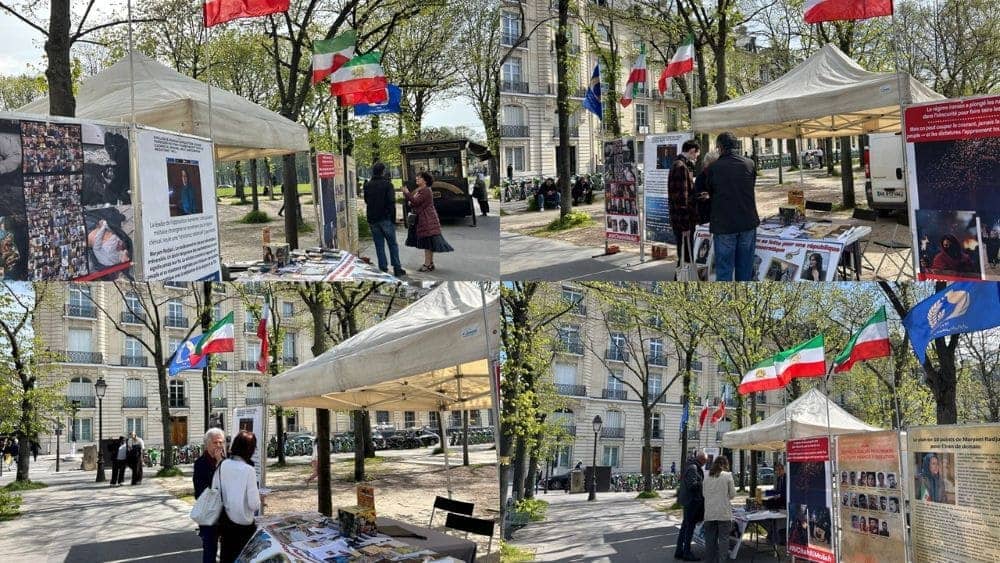
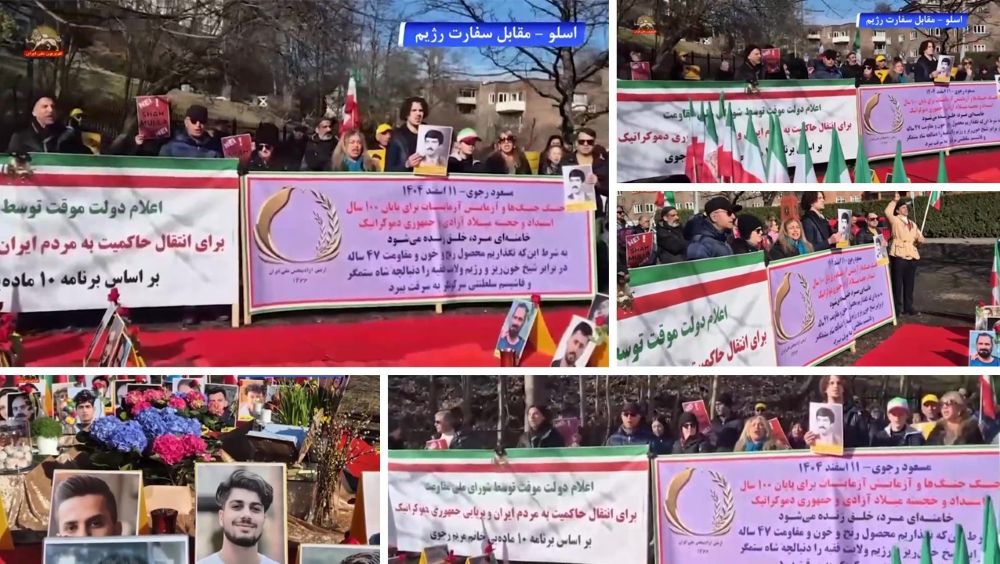
These parliamentary moves have unfolded alongside a series of protests and rallies organized by members of the Iranian diaspora in Belgium. Demonstrators gathered in symbolic EU venues like Schuman Roundabout and Place du Luxembourg, where they displayed portraits of political prisoners on death row in Iran.
These actions, far from isolated expressions of diaspora grief, have resonated with Belgian and European politicians alike. Several parliamentarians lent their support publicly, adding weight to the broader call for a policy shift toward Tehran.
The Role of the Resistance and the “Third Option”
Central to the parliamentary declaration is an endorsement of democratic change in Iran—change that, the lawmakers argue, must come from within. The statement lends support to the 10-point plan proposed by Maryam Rajavi, the President-elect of the National Council of Resistance of Iran (NCRI). Her vision outlines a secular and democratic republic that guarantees civil liberties, gender equality, and a nuclear-free policy.
Gérard Deprez, Ministre d’Etat and a long-time advocate for Iranian civil society, presented the declaration. He emphasized what NCRI has dubbed the “Third Option”: a political alternative to both military intervention and appeasement. According to Deprez, sustainable change in Iran cannot be imposed from abroad but must be achieved through support for the Iranian people and their organized resistance.
A Broader Shift in European Tone?
While Belgium’s parliament does not set EU foreign policy, this unified stance may influence broader conversations within the European Union. For years, European diplomacy has walked a cautious line with Tehran—balancing economic interests, nuclear negotiations, and human rights concerns. However, the increasing brutality of the Iranian regime, including the execution of nine political prisoners linked to the PMOI/MEK (People’s Mojahedin Organization of Iran), appears to be changing the calculus.
The Belgian resolution and the accompanying demonstrations are part of a broader awakening in European capitals, where lawmakers are beginning to recognize the cost of inaction.
Beyond Symbolism: Will Policy Follow?
Whether this groundswell of political support will lead to concrete policy—such as EU-wide sanctions or the formal blacklisting of the IRGC—remains uncertain. But what is clear is that voices in Brussels are growing louder, both inside parliament and on the streets, calling for Europe to stand on the side of democratic values and the Iranian people’s right to determine their own future.
The original report is available at Brussels Morning:
120 Belgian Lawmakers Condemn Iran’s Surge in Executions, Call for EU Policy Shift