A United Call in Berlin for Human Rights and Democratic Change in Iran
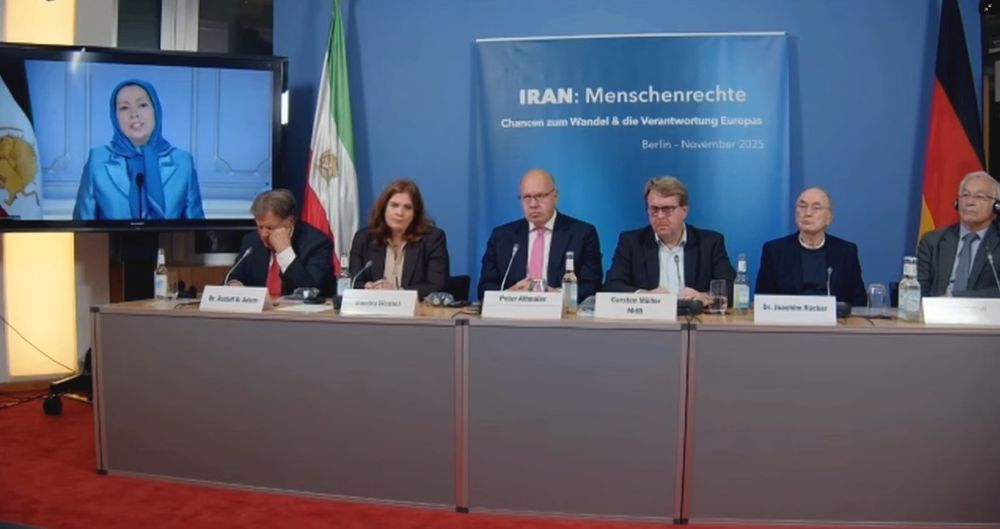
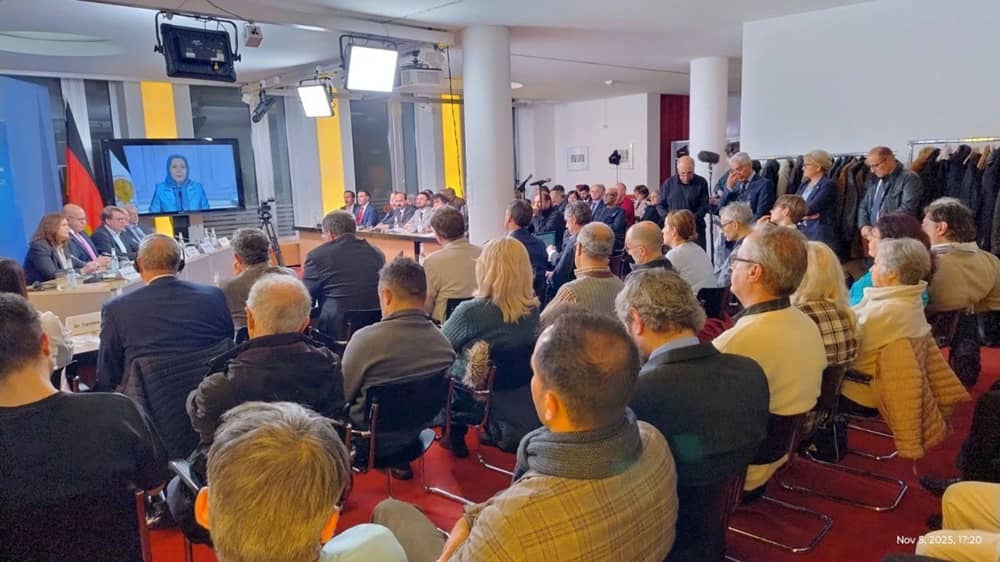
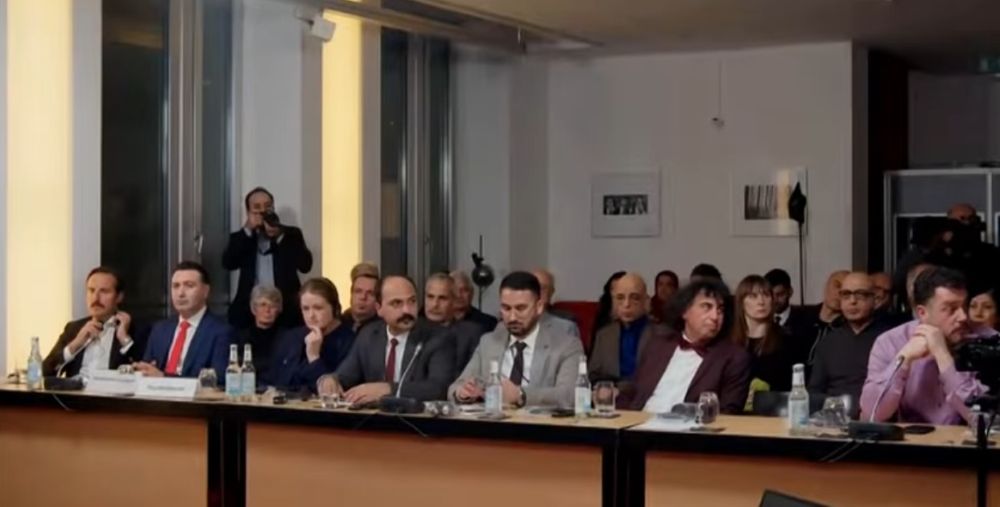
In a remarkable show of cross-party solidarity, German parliamentarians, former ministers, senior diplomats, and human rights advocates gathered in Berlin to address the worsening human rights crisis in Iran. The event featured Mrs. Maryam Rajavi, the President-elect of the National Council of Resistance of Iran (NCRI), as the keynote speaker.
The conference focused on the Iranian regime’s alarming surge in executions and urged a decisive shift in international policy — away from appeasement and toward supporting the Iranian people’s struggle for a free and democratic republic. Participants unanimously condemned Tehran’s brutality, describing it as a desperate attempt to suppress growing public dissent.
A clear consensus emerged around the “Third Option” for Iran — rejecting both foreign military intervention and compromise with the clerical regime, instead calling for democratic change led by the Iranian people and their organized Resistance movement.
Konferenz- Berlin#Iran: Hinrichtungswelle und verstärkte Geheimdienstaktivitäten in Deutschland – Verantwortung Europas/Deutschlands
Mit MdB Carsten Müller, Bundesminister a.D. Peter Altmaier und erfahrene Diplomaten#StopExecutionsInIran #NCRIAlternative https://t.co/LmSQLsucUT— Javad Dabiran (@JavadDabiran) November 5, 2025
Maryam Rajavi: Executions Reflect a Regime Terrified of Uprising
Mrs. Maryam Rajavi delivered a compelling keynote address exposing the Iranian regime’s record-breaking wave of executions as a tool of terror against a society on the brink of revolt. She revealed that at least 285 people — including seven women and one minor — were executed in October 2025 alone.
Mrs. Rajavi explained that this mass killing spree stems from the regime’s instability and deep fear of popular uprising. “Khamenei is surrounded by the anger of the Iranian people,” she said, emphasizing that poverty, corruption, and repression have eroded the regime’s foundations.
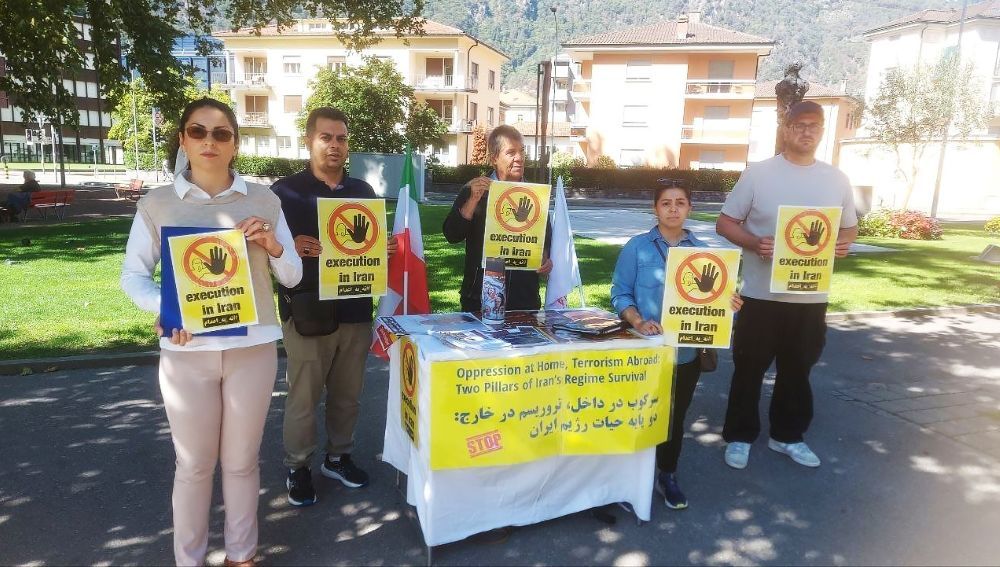
Highlighting the regime’s economic collapse and inability to reform, Rajavi said its factions remain united only in repression. She called on the international community to support the “No to Execution” campaign and hunger strikes across 54 prisons in Iran.
Rajavi outlined three key policy steps for the world community:
-
Refer Iran’s human rights dossier to the UN Security Council.
-
Hold regime leaders accountable under universal jurisdiction for crimes against humanity.
-
Pressure Tehran to allow international prison inspections.
“When prisons have become killing fields,” she declared, “the young people who rise up have the right to defend their people. We are fighting for a democratic republic and our people’s sovereignty.”
Carsten Müller: Designate the IRGC as a Terrorist Organization
Mr. Carsten Müller, Chair of the Bundestag Committee on Legal Affairs, opened the conference by highlighting the regime’s intelligence operations in Germany and called for decisive action.
“There are extensive intelligence activities of the Iranian regime in Germany,” he warned, urging the designation of the IRGC as a terrorist organization.
He dismissed concerns about post-regime instability, asserting:
“Honestly, it practically cannot get any worse. We must do everything possible to enable the Resistance to successfully oppose the regime.”
Peter Altmaier: NCRI’s Ten-Point Plan Is the Roadmap for a Free Iran
Former Federal Minister Peter Altmaier underscored that Iran is “as alone and isolated as never before.” Calling the clerical system “the cruelest regime in the world,” he praised the Ten-Point Plan of Mrs. Rajavi as a unique and realistic roadmap for a future Iran built on secularism, gender equality, and the rule of law.
“This plan is a clear commitment to democracy and freedom,” Altmaier said, offering full support for the movement that seeks to integrate Iran into the family of democratic nations.
Dr. Joachim Rücker: Executions Are a Calculated Tool of Political Oppression
Dr. Joachim Rücker, former President of the UN Human Rights Council, warned that Iran has entered a “new, extremely dark phase,” with over 1,400 executions since early 2025.
He said, “The death penalty is being used more and more systematically as an instrument of power.”
Rücker proposed a four-point policy for Germany and the EU:
-
Publicly condemn political executions.
-
Make abolition of the death penalty a precondition for relations.
-
Designate the IRGC as a terrorist group.
-
Pursue accountability for regime officials through universal jurisdiction.
Martin Patzelt: NCRI Is the Only Viable Democratic Alternative
Former Bundestag Member Martin Patzelt recalled surviving the 2018 bomb plot by Tehran’s agents against the NCRI rally in Paris. He exposed the regime’s disinformation campaign against the MEK and dismissed Reza Pahlavi as a “false alternative without a social base.”
“The NCRI is the only organized movement capable of leading Iran into the free world,” he stated, urging European policymakers to recognize and support this democratic alternative.
Detlef Seif: Human Dignity Is Inviolable
Bundestag Member Detlef Seif expressed deep respect for the Iranian people’s struggle, reaffirming that “the dignity of man is inviolable.”
He vowed to push for the IRGC’s terrorist designation within his parliamentary committee and emphasized:
“It is unacceptable that people are killed because they have a different opinion.”
Dr. Rudolf Adam: Peace in the Middle East Starts with a Free Iran
Dr. Rudolf Adam, former President of the Federal Academy for Security Policy, emphasized that regional peace is impossible without change in Iran.
“Anyone who wants to give peace a chance must start in Iran,” he said, warning that suppression of peaceful change will only invite violent upheaval.
He identified the NCRI and its Ten-Point Plan as a “highly promising roadmap” for stability and urged Western nations to prepare for the post-Khamenei era.
Dr. Ulrich Seidt: Tehran’s Espionage Threatens Germany Directly
Former Ambassador Dr. Ulrich Seidt cited a joint declaration by 14 Western nations condemning Iran’s plots to kidnap and kill dissidents in Europe and North America.
He demanded concrete action beyond words: “The Federal Government is obliged to take active steps and not just issue declarations.”
Dr. Seidt called for sanctions on the IRGC and engagement with the NCRI to counter Tehran’s espionage operations in Germany.
Sandra Weeser: “Our Solidarity Is with the People, Not the Powerful”
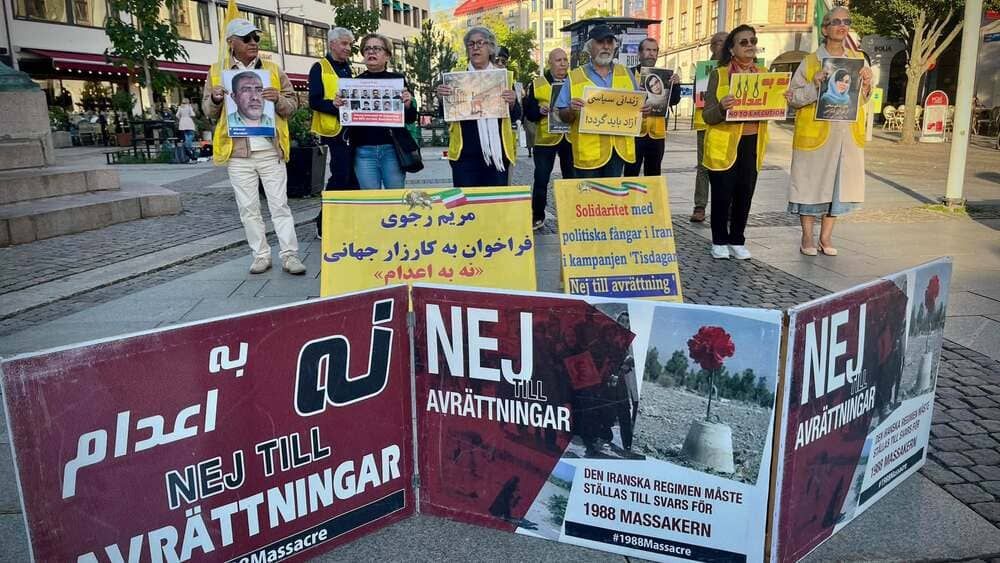
Former Bundestag Member Sandra Weeser saluted NCRI supporters who have kept vigil outside the German parliament for years.
She highlighted the case of Zahra Tabari, a 67-year-old woman sentenced to death after a ten-minute trial for displaying a banner reading “Woman, Resistance, Freedom.”
Weeser urged European governments to halt “business as usual” with Tehran and make the release of political prisoners a precondition for any talks.
Alexander Engelhard: “Looking Away Is Not a Solution”
Bundestag Member Alexander Engelhard commended the courage of Iranian activists who continue their protests regardless of weather or danger.
“It is impressive how these people risk their lives for freedom,” he said, pledging full solidarity with their cause.
Thomas Luetze: Media Must Expose Iran’s Human Rights Atrocities
Former Bundestag Member Thomas Luetze criticized the German media for failing to cover Iran’s executions, noting that a recent program discussed sanctions without mentioning human rights.
“It must be headline news that Iran executes more people than all other countries combined,” he said.
Dr. Massoumeh Bolourchi: The Resistance Will Spare No Sacrifice
Dr. Massoumeh Bolourchi, NCRI Representative in Germany, thanked the guests for their solidarity and reaffirmed that executions are the regime’s primary survival tool.
She demanded UN access to Iran’s prisons and declared:
“Our Resistance is independent and we will spare no sacrifice for our people’s freedom.”
#Berlin: Conference on #Iran – human rights, change, &Europe’s responsibility. 2 focal points: 1) unprecedented wave of executions in Iran; 2) intensified MOIS/intelligence activities against the opposition & supporters of the Resistance in 🇩🇪. #StopExecutionsInIran… pic.twitter.com/2gStqUQWI1
— Javad Dabiran (@JavadDabiran) November 5, 2025
Iranian Activists: Testimonies of Suffering and Courage
Members of the Iranian community in Germany shared powerful testimonies of loss, persecution, and perseverance.
-
Hanif Mahoutchian, a law graduate whose relatives were executed, detailed the regime’s espionage and threats against activists in Germany.
-
Sahar Sanaei, a psychotherapist, recounted losing her father and two uncles to the regime’s executions.
-
Sanya Mohammadi, a 22-year-old activist, spoke of the hope inspired by the Iranian Resistance despite ongoing repression.
Their stories underscored the generational continuity of Iran’s fight for freedom.
Conclusion: A Unified Front for Freedom and Justice
The Berlin conference concluded with a unified call: the Iranian regime’s reliance on executions exposes its weakness, not strength.
Speakers urged an end to Western appeasement and appealed for recognition of the Iranian people’s right to resist tyranny.
By supporting the NCRI and its democratic vision, the international community can help pave the way for a free, secular, and democratic Iran — a partner for peace and stability in the world.