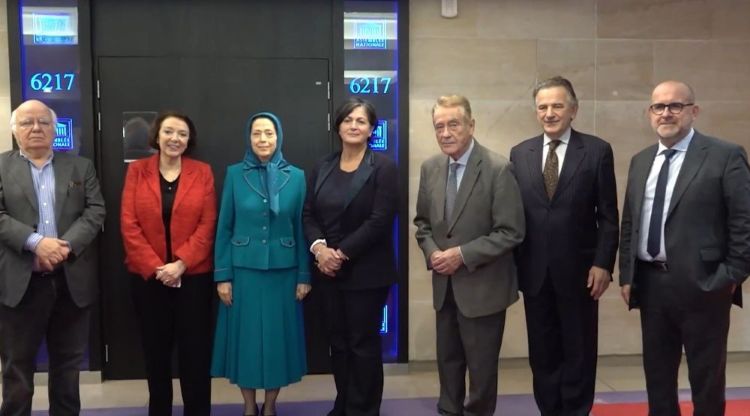


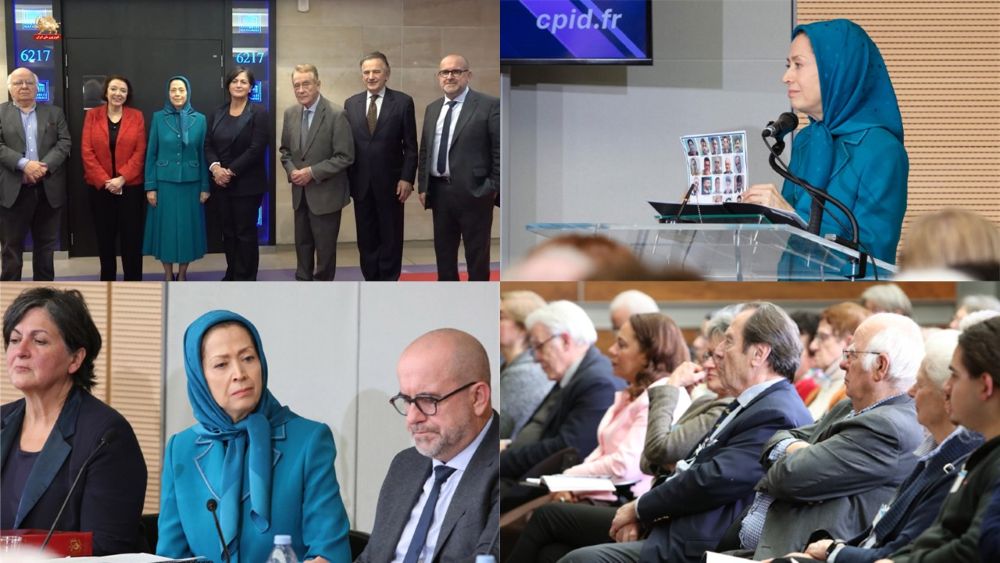
A conference entitled “Iran’s Current Crisis: A Possible Way Out” (Situation de crise en Iran: quelle sortie ?) was held at the French National Assembly with the participation of members of the French Parliament from various political parties and a number of French political figures. The meeting focused on the situation in Iran, ongoing human rights violations, and perspectives regarding democratic change. Mrs. Maryam Rajavi, the President-elect of the National Council of Resistance of Iran (NCRI), was the keynote speaker at the conference.
Conference at France's National Assembly: Condemning the ongoing human rights violations in Iran, calling for a firm policy toward the regime, and supporting the Iranian people and their Resistance in their quest for a democratic, secular, and free republic. Mrs. @Maryam_Rajavi… pic.twitter.com/IconcCzH6c
— SIMAY AZADI TV (@en_simayazadi) December 18, 2025
Christine Arrighi – Chair of the Parliamentary Committee for a Democratic Iran
Christine Arrighi referred to the sharp rise in executions in Iran, citing the execution of 336 people in November alone, a figure she described as unprecedented in recent decades. She pointed to death sentences against political prisoners for peaceful activities as evidence that the struggle for freedom in Iran is a human and ethical necessity. Arrighi stated that neither war, foreign intervention, appeasement, nor monarchist alternatives can resolve Iran’s crisis, emphasizing instead change by the Iranian people and their organized resistance, as outlined in Maryam Rajavi’s ten-point plan.
Hervé Saulignac – Vice-Chair of the Parliamentary Committee for a Democratic Iran
Hervé Saulignac said that defending human rights and freedom wherever they are threatened is a moral duty, one upheld for years by French parliamentarians across political lines. He noted that support for freedom in Iran has often faced pressure and intimidation, including demonization campaigns by the regime. Saulignac stated that the committee supports organized resistance as the path toward freedom, referring to the continued expansion of Resistance Units inside Iran.
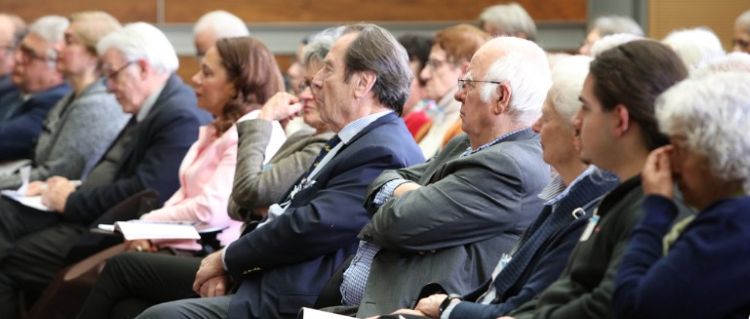

Patrick Hetzel – Member of Parliament, The Republicans
Patrick Hetzel expressed his support for the Iranian Resistance and referred to a previous meeting with Maryam Rajavi that helped him better understand its struggle. He described the Iranian regime as a brutal dictatorship that represses its population under religious cover and extends destabilizing activities beyond Iran’s borders. Hetzel cited diplomatic actions by other countries as signs of concern over the regime’s conduct and reaffirmed his support for the parliamentary committee.
Alain Vivien – Former Minister
Alain Vivien stated that Iran’s political system violates fundamental freedoms recognized by international conventions and described this as unacceptable. He called on France and Europe to adopt a firmer policy toward Tehran. Vivien emphasized that Iran’s future must be decided by its own people and that support should be given to the resistance rather than seeking solutions imposed from outside.
Dominique Attias – European Lawyers Foundation
Dominique Attias recalled the anniversary of the Universal Declaration of Human Rights and said its principles are reflected in the NCRI platform and Maryam Rajavi’s ten-point plan. She listed freedoms and rights defended by the PMOI, noting that these are systematically violated by the current regime, particularly through repression against women. Attias highlighted the leading role of women in resistance units and referred to cases of arrest, torture, and death mentioned during the conference.
Gilbert Mitterrand – France Libertés–Danielle Mitterrand Foundation
Gilbert Mitterrand stated that the conference aimed to express support for the NCRI and Maryam Rajavi in pursuit of a free Iran based on respect for human rights. He referred to decades of repression, including the 1988 massacre, and criticized the impunity enjoyed by Iranian officials. Mitterrand called for recognition of Iran’s organized opposition and reaffirmed his confidence in its leadership.
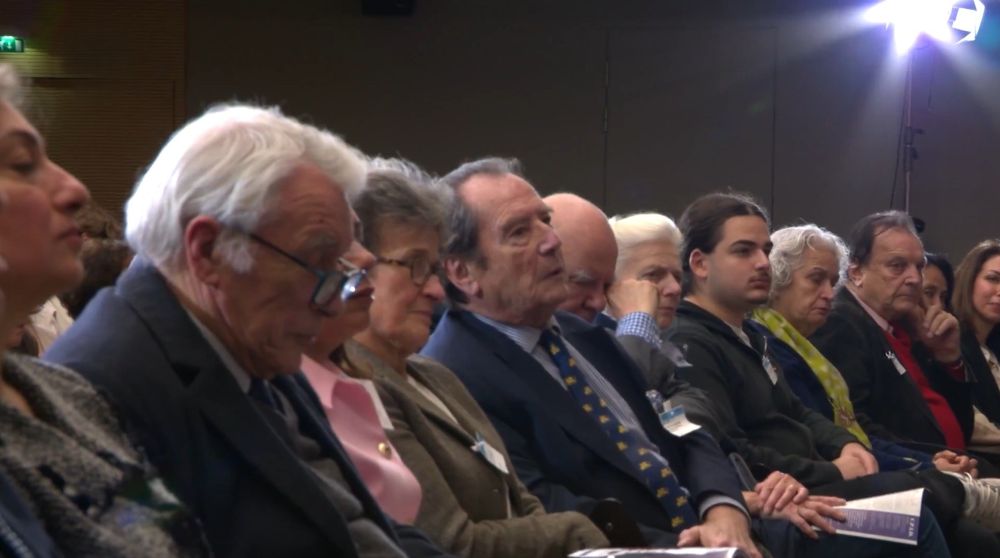

Jean-François Legaret – Former Mayor of Paris’s 1st District
Jean-François Legaret described the work of the Parliamentary Committee for a Democratic Iran as a source of hope, noting its clear rejection of dictatorship and support for democracy. He said parliamentarians in both the National Assembly and Senate seek to condemn silence toward the regime’s actions. Legaret also denounced terrorist activities, harassment, and hostage diplomacy attributed to the Iranian authorities.
Jean-Pierre Brard – Former MP and Co-founder of the Committee
Jean-Pierre Brard said Iran is at a sensitive moment and that executions reflect weakness rather than strength. He called for increased support for the resistance and referred to state-sponsored terrorism abroad, including attacks against supporters of the opposition. Brard emphasized that the NCRI brings together diverse individuals around the shared goal of freedom.
Sara Nouri – Lawyer and Legal Expert
Sara Nouri said that mass trials conducted by the regime against opposition members are political operations aimed at suppressing organized change. She stated that these proceedings instead reveal the regime’s fear and confirm the importance of the democratic alternative they target. Nouri stressed the responsibility in Europe to expose such actions and affirm the Iranian people’s right to freely choose their future.
Dr. Hamidreza Taherzadeh – Member of the NCRI
Dr. Hamidreza Taherzadeh addressed the repression of artists in Iran and referred to the imprisonment and resistance of his late brother, Manouchehr Taherzadeh. He said the regime seeks to suppress culture and history, while the Iranian Resistance provides a space for artists to preserve culture and contribute to the struggle for freedom.