



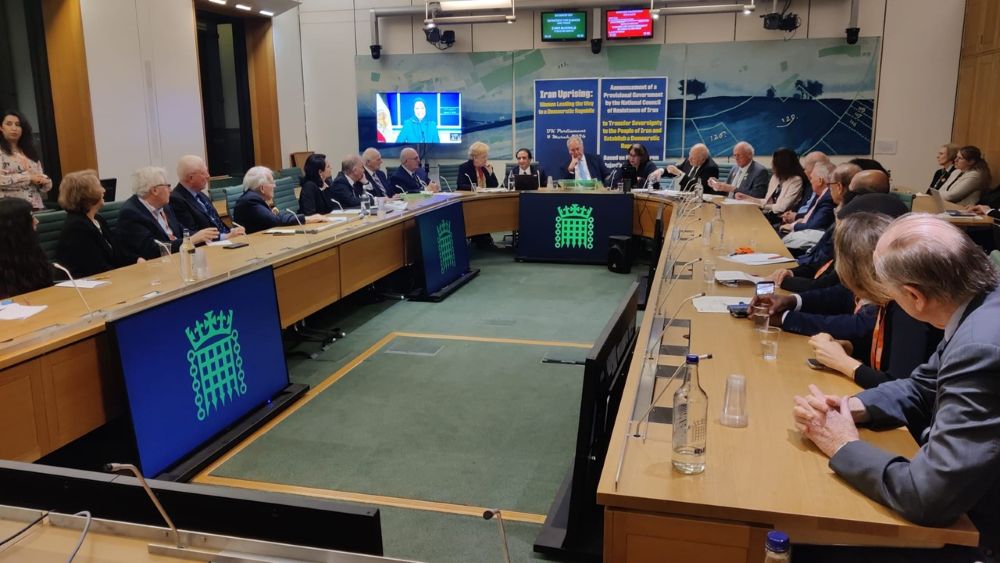
British Lawmakers Support Democratic Alternative for Iran
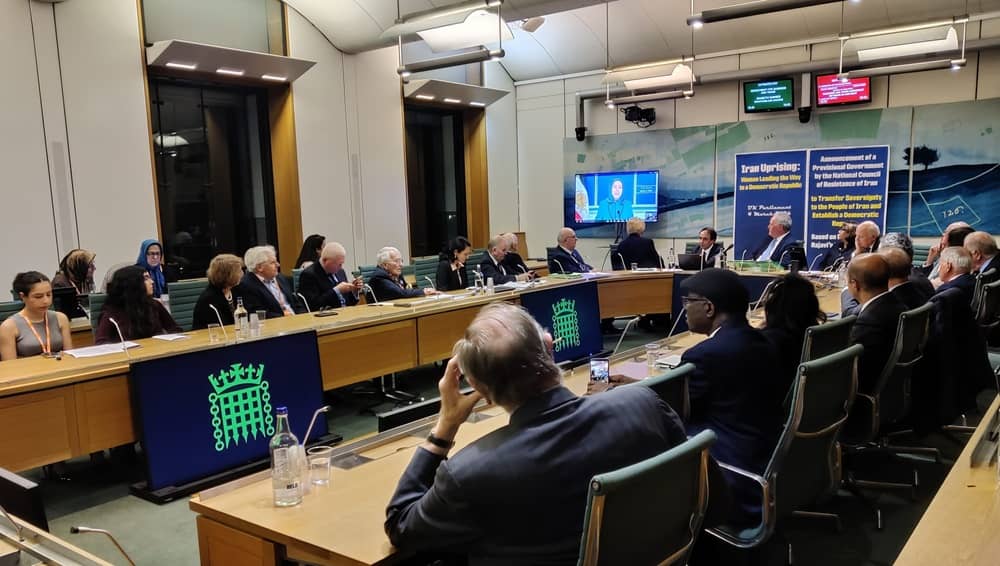
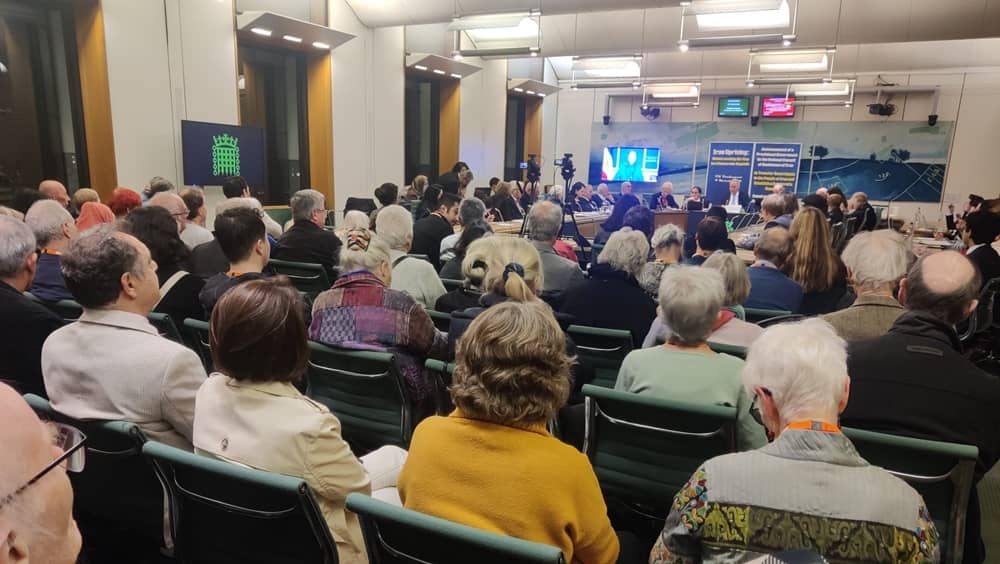
At a conference marking International Women’s Day, British parliamentarians and international legal experts voiced strong support for the National Council of Resistance of Iran (NCRI) and its President-elect, Mrs. Maryam Rajavi, endorsing the council’s proposal for a provisional transitional government and its vision for a democratic future in Iran.
Participants stressed that Iran’s future must be determined by its people and their organized resistance. Speakers rejected both the current clerical rule and any return to monarchy, emphasizing that the country’s political future should be based on democratic principles and popular sovereignty.
Maryam Rajavi Presents Plan for Democratic Transition
In a keynote address, Mrs. Maryam Rajavi outlined the framework for a transition to a democratic republic. She announced the formation of a provisional government designed to transfer sovereignty to the Iranian people and organize free elections.
Mrs. Rajavi said the transition would be guided by her Ten-Point Plan, which proposes a peaceful shift toward a system based on the rule of law, pluralism, and respect for fundamental rights.
She reiterated that Iranians reject all forms of dictatorship, describing the resistance movement’s guiding principle as “neither Shah nor the mullahs.” Rajavi also called for the dissolution of the Islamic Revolutionary Guard Corps (IRGC) and institutions linked to repression, executions, and torture.
Highlighting the role of women in the opposition movement, Mrs. Rajavi described them as a decisive force in shaping Iran’s future. She noted that women have held leading positions in the resistance movement for decades and emphasized that free elections should be held within six months after the establishment of a provisional government.

UK MPs Emphasize Need for Democratic Change
Bob Blackman, Member of Parliament for Harrow East, described the current moment as a pivotal period in Iran’s history. He said the NCRI’s proposal for a provisional government demonstrates that the real choice facing the country is “not chaos versus theocracy, but dictatorship versus democracy.”
Blackman also rejected calls for a restoration of the monarchy, noting that Iranians had already experienced authoritarian rule under the Shah.
Proud to open today's parliamentary conference on the Iran Uprising at Westminster.
The NCRI has announced a Provisional Government to transfer sovereignty to the Iranian people. Mrs Rajavi's Ten-Point Plan offers a real democratic alternative. 🇮🇷#IranUprising #FreeIran #NCRI pic.twitter.com/w0QomDxzgw— Bob Blackman (@BobBlackman) March 5, 2026
Baroness Sandip Verma praised the leadership role of women within the Iranian resistance and urged the UK government to formally recognize the proposed transitional government. She argued that the Iranian people are united in their determination to end authoritarian rule and build a democratic republic.
Former Conservative Party leader Sir Iain Duncan Smith also expressed support for democratic change in Iran, describing a future republic where authority is not inherited and where men and women enjoy equal rights under the law.
Support From UK Parliamentarians and Legal Community
Other speakers echoed similar views. Baroness Nuala O’Loan highlighted the role of Iranian women and organized opposition networks in sustaining decades of resistance and creating a credible democratic alternative.
MP Jim Shannon warned against what he described as the “mirage” of returning to monarchy, stating that Iranians have already endured both monarchical and religious dictatorship. He said the NCRI’s Ten-Point Plan offers guarantees such as gender equality, abolition of the death penalty, and separation of religion and state.
Veteran MP Sir Roger Gale stressed that any political transition in Iran must quickly establish democratic institutions to avoid a power vacuum, while Lord Archie Hamilton voiced support for the Ten-Point Plan’s vision of a secular and pluralistic republic.
Legal experts also expressed backing for the initiative. Professor Sarah Chandler of the Federation of European Bar Associations said the international legal community supports the Iranian people’s push for democratic change and called for the release of political prisoners.

Calls for International Action
Several speakers urged stronger international measures against the Iranian government, including the designation of the IRGC as a terrorist organization and increased diplomatic pressure.
Former cabinet minister Theresa Villiers emphasized that women are leading the campaign for reform in Iran and called for the creation of a secular, democratic republic with equal rights for men and women.
Human rights advocates and members of the Iranian diaspora also highlighted the resilience of Iranian protesters and resistance networks inside the country, arguing that growing domestic opposition could play a key role in any political transition.

Vision for a Democratic Future
Throughout the conference, participants repeatedly emphasized that the ultimate decision about Iran’s future belongs to the Iranian people. Supporters of the NCRI argued that the provisional government proposal and the Ten-Point Plan provide a clear roadmap for a democratic transition, including free elections and the establishment of a pluralistic political system.
Speakers concluded that international support for democratic forces, combined with internal resistance in Iran, could pave the way for a peaceful transformation of the country’s political system.