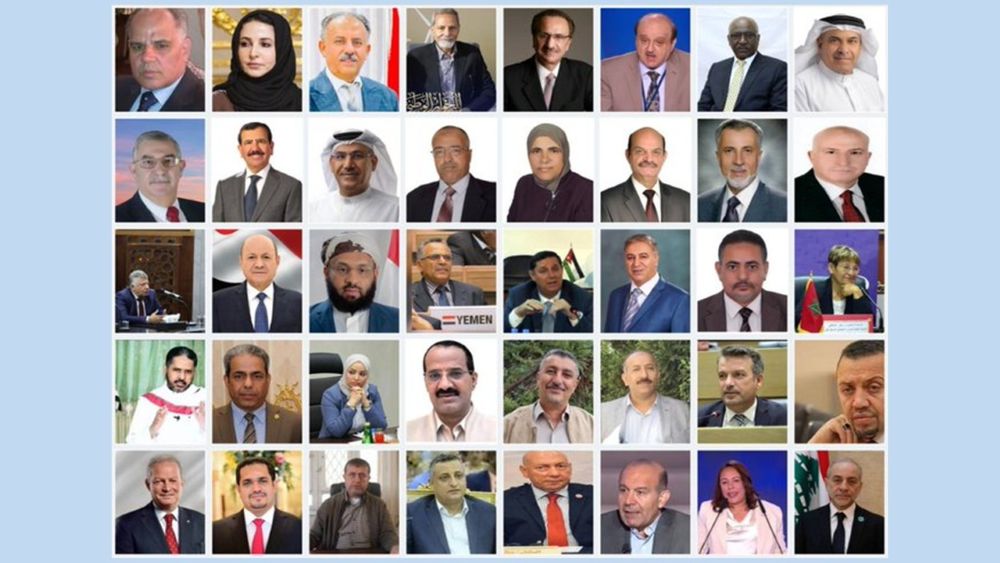
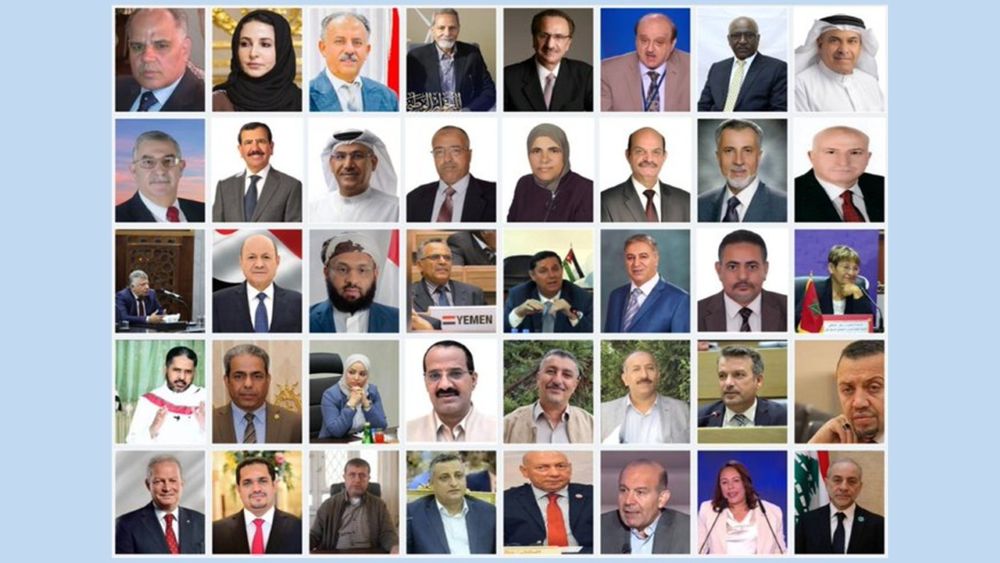
280 Arab political figures representing 11 countries have signed a joint statement denouncing what they describe as the Iranian regime’s interference in Arab states, backing of proxy forces, export of terrorism, and policies that threaten regional security and national sovereignty.
The signatories include former ministers and current and former members of parliament from Jordan, Bahrain, Tunisia, Sudan, Syria, Iraq, Palestine, Lebanon, Egypt, Morocco, and Yemen.
“We, the signatories, condemn the Iranian regime’s aggressive policies, its interference in the affairs of Arab countries, its support for proxy forces, export of terrorism, threats to the security and sovereignty of the countries of the region, and its persistent attempts to destabilize the region.”
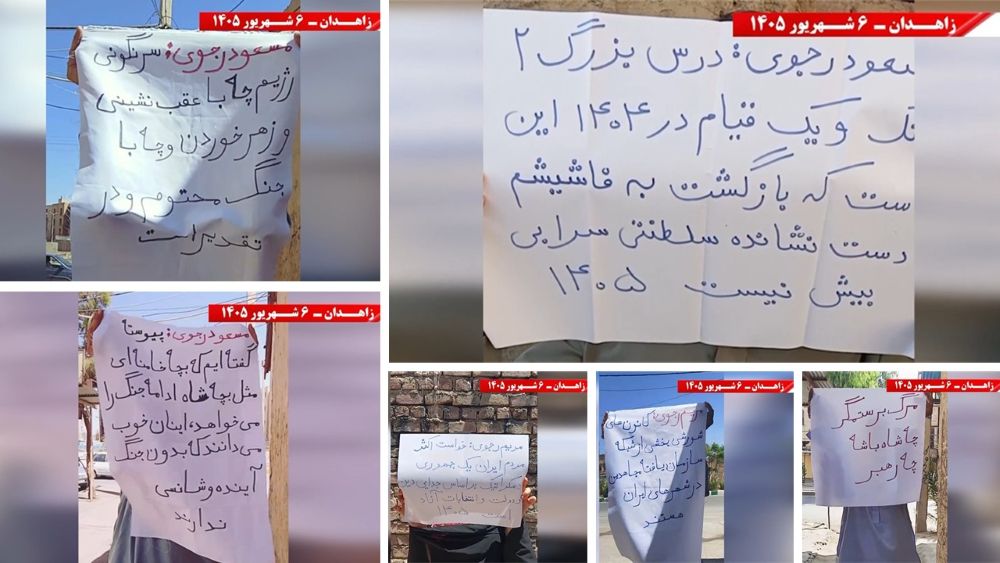
Mousa Al-Maaytah, a former Jordanian minister of political and parliamentary affairs and chairman of the Arab-Islamic Committee to Counter the Iranian Regime’s Interference in the Region, said the statement comes as activities by the Iranian Resistance inside Iran continue to expand despite intensified repression and restrictions imposed by the regime under the pretext of war.
According to the statement, the regime has attempted to demonstrate cohesion and strength through public displays involving Ali Khamenei, while Resistance Units affiliated with the People’s Mojahedin Organization of Iran (PMOI/MEK) have continued their activities in cities across the country. The committee said the expansion of these activities reflects the growing presence of the Resistance Units, wider popular opposition to the regime, and the depth of its internal crisis.
🚨 280 Arab Figures From 11 Countries Back Organized Resistance as the Solution for Iran
A statement signed by 280 Arab figures, including former ministers and current and former parliamentarians from Jordan, Bahrain, Tunisia, Sudan, Syria, Iraq, Palestine, Lebanon, Egypt,… pic.twitter.com/wn4osyoPZ9
— SIMAY AZADI TV (@en_simayazadi) August 28, 2026
Domestic Repression and Regional Intervention
The statement links the Iranian regime’s domestic repression to its conduct across the Middle East, characterizing both as parts of a strategy aimed at maintaining its hold on power.
“The experience of the past 47 years has proven that repression at home, the export of terrorism, interference in the countries of the region, and the pursuit of nuclear weapons constitute the permanent pillars of this regime’s strategy for survival.”
The signatories also highlight missile and drone attacks, support for affiliated forces, and the regime’s continued interference in Arab countries.
They maintain that these policies have placed regional security and stability at risk as the Iranian regime seeks to safeguard its own survival. They further argue that the regime will not abandon this approach for as long as it remains in power.
Regional Setbacks and Intensified Repression Inside Iran
The statement contends that the regime has no economic, social, or political answer to the demands of the Iranian people and instead depends on generating crises, fueling wars, and exporting terrorism.
The signatories say that setbacks affecting the regime’s regional projects and proxy forces have coincided with a stepped-up campaign of repression inside Iran.
“With the failure of its regional projects and the retreat of its proxy forces in the region, today more than ever it has resorted to intensifying repression at home through increased executions, arrests, and pressure on opponents and members and supporters of the People’s Mojahedin Organization of Iran (PMOI/MEK), in an attempt to prevent the spread of protests.”
The statement describes this heightened repression as an indication of vulnerability rather than strength:
“This repression, however, is not a sign of the regime’s strength, but rather reveals its fear of organized resistance and of a society on the verge of explosion.”
“Neither Appeasement nor War”
In concluding their statement, the 280 Arab political figures reject what they identify as two approaches to the crisis in Iran and the broader region: continued appeasement of the Iranian regime and foreign war.
“We emphasize that neither the policy of appeasement nor war offers a solution to the crisis in Iran and the region.”
Instead, they call for recognition of the Iranian people’s right to freedom and democracy, along with support for organized resistance inside Iran.
“The real solution lies in supporting the Iranian people’s right to freedom and democracy and backing Iran’s organized resistance, which guarantees peace, stability, good-neighborly relations, and cooperation among the peoples of the region.”
The statement unites political figures from across the Arab world around a position that connects the Iranian regime’s actions beyond its borders with repression within Iran. The signatories argue that addressing the crisis requires neither foreign military intervention nor accommodation with Tehran, but democratic change led by the Iranian people and their organized resistance.