Horrifying Massacre of Prisoners in Iran and the Need for International Action
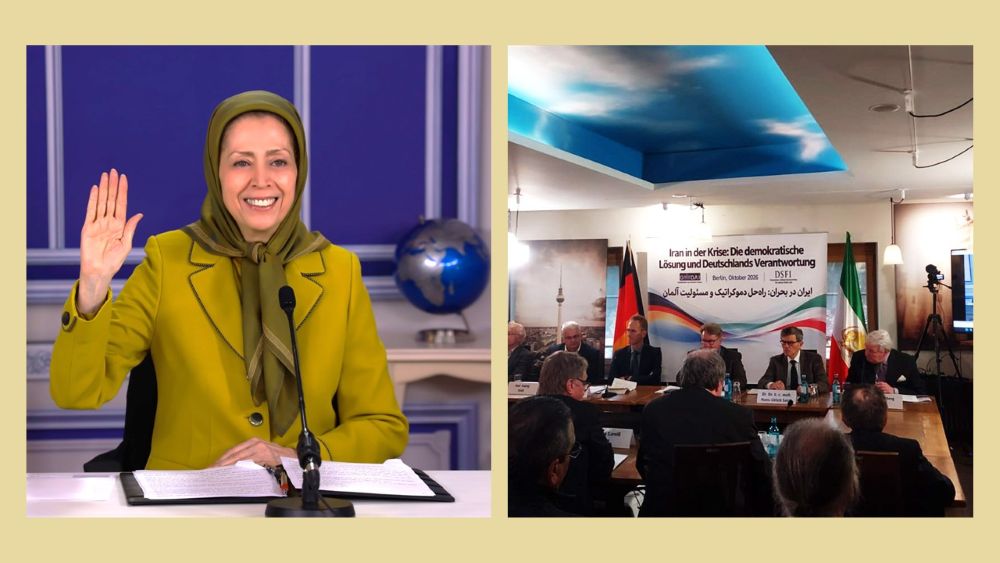
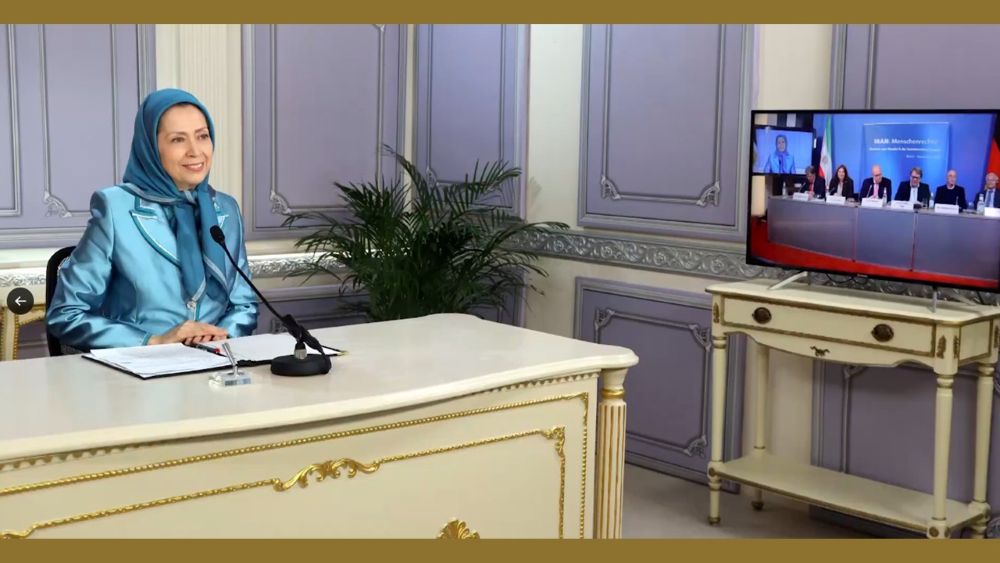
Berlin – Mrs. Maryam Rajavi, President-elect of the National Council of Resistance of Iran (NCRI), addressed a human rights conference in Germany, warning of an alarming spike in executions by the Iranian regime. In her remarks, Mrs. Rajavi stated that “in a new record of atrocities,” at least 285 prisoners were hanged in October 2025, including seven women and a minor under 18 years of age at the time of the offense.
When prisons have become killing fields, the young people who have risen up have the right to defend their people.
We urge the governments of the European Union and all world governments to recognize this just and long-ignored right.#StopExecutionsInIran pic.twitter.com/8ePYWVrNiH— Maryam Rajavi (@Maryam_Rajavi) November 5, 2025
People’s Growing Fury and Regime Instability
During her address, Mrs. Rajavi said that three years after a major uprising in Iran, the regime is surrounded by public anger. She highlighted deepening social resentment caused by repression, poverty, injustice, corruption, and the regime’s waste of the nation’s oil wealth on war, missiles, and internal control instead of public welfare. She also cited the admission of a former regime president that the current parliament represents only “10 percent of the people’s votes,” calling it proof of the regime’s legitimacy crisis.
Collapse of the Economy and the Regime’s Inability to Contain the Crises
Mrs. Rajavi further described how the clerical regime is unable to manage the deepening economic and social crises: severe shortages of electricity, water, and gas, a production sector crippled by service disruptions, food prices that have risen by 65 percent over the past year, and a national currency that has become one of the weakest in the world. She emphasized that all factions of the regime share a common goal—to suppress the people to ensure the regime’s survival rather than reform.
Escalation of Executions to Stave Off Popular Uprisings
According to Mrs. Rajavi, fearing the growing momentum of the Iranian people’s resistance, the regime has increased executions to silence dissent. She cited cases of political prisoners sentenced to death on charges of membership in the People’s Mojahedin Organization of Iran (PMOI), describing trials that lasted only minutes or were denied due process—such as a 22-year-old student whose retrial request was rejected in less than an hour, and a woman whose virtual trial lasted only ten minutes. Mrs. Rajavi warned that if international standards of fair trial were applied, the very foundation of the regime would collapse.
“No to Execution” Campaign and the Voice of Resistance Inside Iran
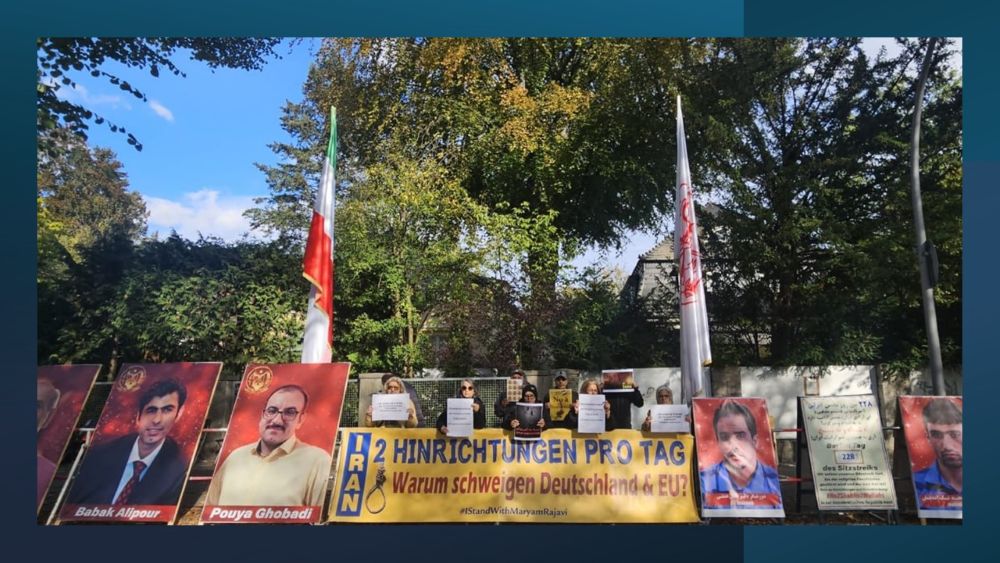
Mrs. Rajavi highlighted the growing domestic resistance movement: prisoners in 54 prisons have been on hunger strike for 93 consecutive weeks as part of the “No to Execution Tuesdays” campaign. Teachers, nurses, workers, retirees, and other sectors hold placards reading “No to Death Penalty” in protests, declaring that public executions will not intimidate them. She urged the international community to stand in solidarity with these efforts and help stop executions used to terrorize the public.
To prevent future uprisings, Ali Khamenei has resorted to carrying out even more executions.
At the same time, to confront the progress of the Iranian people’s Resistance, the regime has sentenced a number of political prisoners to death on charges of membership in the People’s… pic.twitter.com/lpw686zJIV— Maryam Rajavi (@Maryam_Rajavi) November 5, 2025
Exiled Iranians Under Pressure – Appeal to European Governments
Mrs. Rajavi drew attention to reports received by the NCRI’s office in Germany, indicating that Iranian expatriates have been threatened or their families pressured in Iran because of their support for the Resistance and participation in its events. On behalf of the Iranian Resistance, she called on Germany and other EU states to:
-
Refer the regime’s human rights violations to the United Nations Security Council.
-
Apply the principle of universal jurisdiction to hold Iranian regime officials accountable for crimes against humanity and genocide.
-
Press the regime to permit visits by the UN and other human rights organizations to Iranian prisons and political detainees.
The People’s Right to Defense and the Struggle for a Democratic Republic
In her closing remarks, Mrs. Rajavi stated that the three core pillars of the clerical regime—executions, torture and repression inside Iran; warmongering and terrorism abroad; and the pursuit of nuclear weapons—will not cease without the regime’s overthrow by the organized Iranian people. She affirmed that when prisons become killing fields and citizens are killed for participating in protests, the people have the right to defend themselves. Mrs. Rajavi urged governments in the EU and worldwide to recognize this long-ignored right and to support the struggle for a democratic republic and the sovereignty of the Iranian people.