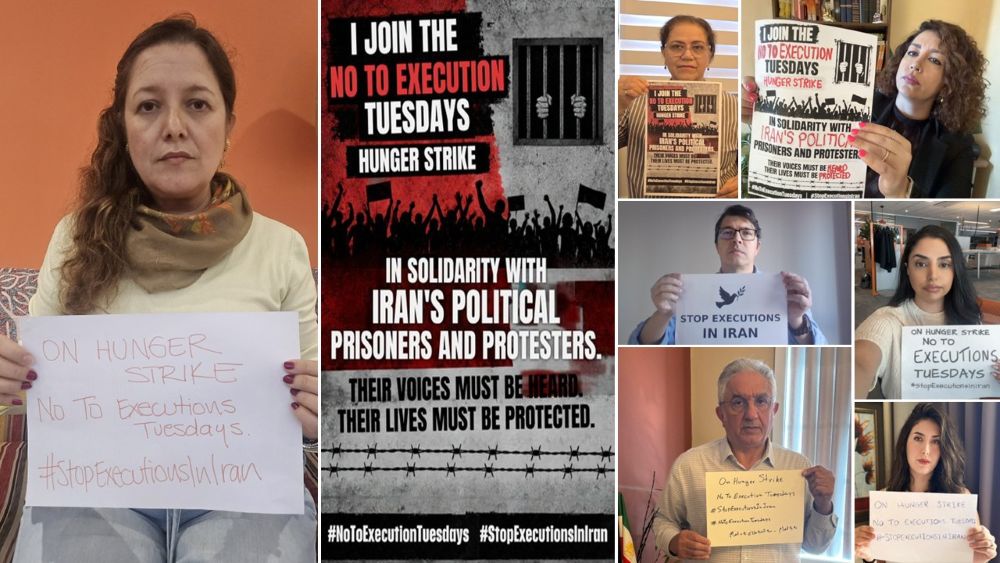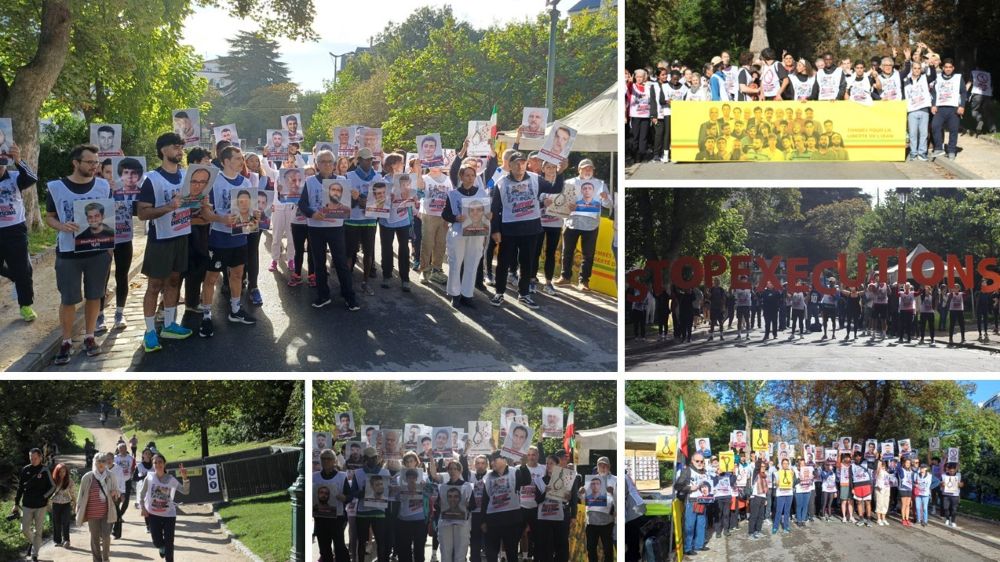
The “No to Execution Tuesdays” campaign continues the prisoners’ hunger strike amid an internet shutdown, solitary confinement, and the failure to return the bodies of executed prisoners.
Continuation of the “No to Execution Tuesdays” campaign in dozens of prisons
The “No to Execution Tuesdays” campaign, organized around weekly hunger strikes by prisoners, has now become one of the longest-running protest movements inside Iranian prisons. Held every Tuesday, it continues with the participation of inmates in at least 56 prisons.
Participants in the campaign have stated that despite ongoing pressure and restrictions, they remain committed to their pledge and continue their weekly hunger strikes. The persistence of this action reflects the ongoing protest inside prisons.
Hunger strike continues amid internet shutdown and communication restrictions
According to reported information, the hunger strike is taking place under conditions where internet shutdowns and communication restrictions have severely limited the ability to issue statements and share public updates.
Nevertheless, prisoners have emphasized that the hunger strike has not stopped, and even in the absence of any contact with the outside world, this form of protest continues. The continuation of the campaign under such conditions is seen as a sign of its organization and resilience inside prisons.
Continued solitary confinement following events at Ghezel Hesar Prison
At the same time as the continuation of the “No to Execution Tuesdays” campaign, reports have emerged regarding the ongoing solitary confinement of several political prisoners.
According to available information, four political prisoners—Saeed Masouri, Sepehr Emamjomeh, Loghman Aminpour, and Meysam Dehban Zadeh—remain in solitary confinement after 25 days.
These individuals were violently removed from Unit 4 of Ghezel Hesar Prison following a raid by prison security forces and transferred to undisclosed locations. This occurred during a period when executions were being carried out in the same prison.
According to informed sources, the transfer of political prisoners to solitary confinement prior to executions has been observed as a recurring pattern in this facility.
Simultaneous repression and execution of death sentences
Reports indicate that security measures in prisons, including solitary confinement transfers and pressure on inmates, often coincide with the implementation of execution sentences. This simultaneity has raised further concerns about prisoners’ conditions and the manner in which executions are carried out.
In this context, the continuation of the “No to Execution Tuesdays” campaign by prisoners, despite restrictions and pressure, is being highlighted as one of the manifestations of resistance inside prisons.
Failure to return bodies of executed prisoners: continuation of a worrying trend
In addition to these developments, reports have emerged that the bodies of several executed political prisoners have not been returned to their families.
According to these reports, more than 15 days after the executions, the bodies of several prisoners—including Vahid Baniamerian, Mohammad Taghavi, Babak Alipour, Pouya Ghobadi, Abolhassan Montazer, and Akbar Daneshvarkar—have still not been handed over to their families.
This situation has left families in a state of uncertainty, with no information about the location of the bodies or their burial. The lack of transparency has caused significant psychological distress to the families.
Growing concerns over the situation of prisoners and their families
The continuation of these practices—including solitary confinement, executions, and the withholding of bodies—has intensified concerns about the overall situation of prisoners and their families.
Families are not only left without information about their loved ones but are also confronted with a lack of clarity regarding their fate.
“No to Execution Tuesdays” campaign: persistence of protest under restrictive conditions
In this context, the continuation of the “No to Execution Tuesdays” campaign across various prisons reflects the persistence of an ongoing protest movement inside Iran’s prison system—a movement that continues despite severe communication restrictions.
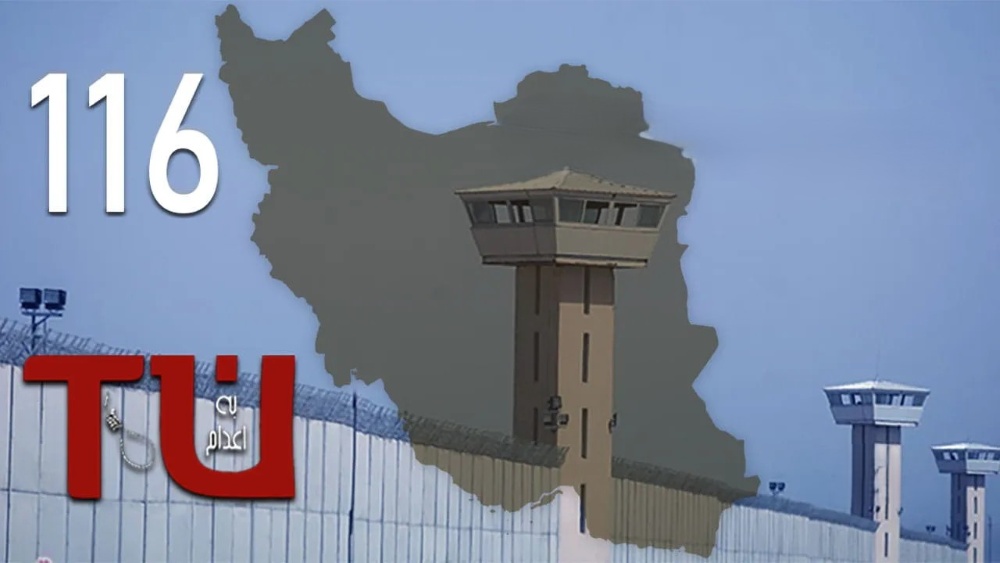
Now entering its 116th week, the campaign continues under conditions marked by heightened security pressure, communication limitations, and recent developments inside prisons. Nevertheless, participating prisoners have emphasized that the movement has not stopped and will continue.