The Iranian regime’s continued reliance on executions appears to be failing in its intended goal of intimidating the country’s younger generation. Despite a recent surge in capital punishment, public defiance and organized resistance activities have persisted—and, in some cases, intensified.
On April 20, authorities executed two members of the People’s Mojahedin Organization of Iran (PMOI/MEK), Commander Hamed Validi and Mohammad (Nima) Massoum-Shahi. Their deaths bring the number of PMOI members executed in the past three weeks to eight. During the same period, eight additional young protesters have reportedly been put to death, including one detainee from recent uprisings who died under torture.
Executions Amid Crisis
Observers note that the regime has increasingly used executions as a tool of control, particularly under heightened political and security pressures. Authorities appear to be leveraging wartime conditions and internal unrest to justify intensified repression. The apparent objective is to instill fear among young people and discourage them from joining opposition movements, including the so-called Resistance Units.
However, early indications suggest that these tactics may be producing the opposite effect.
Nationwide Acts of Defiance
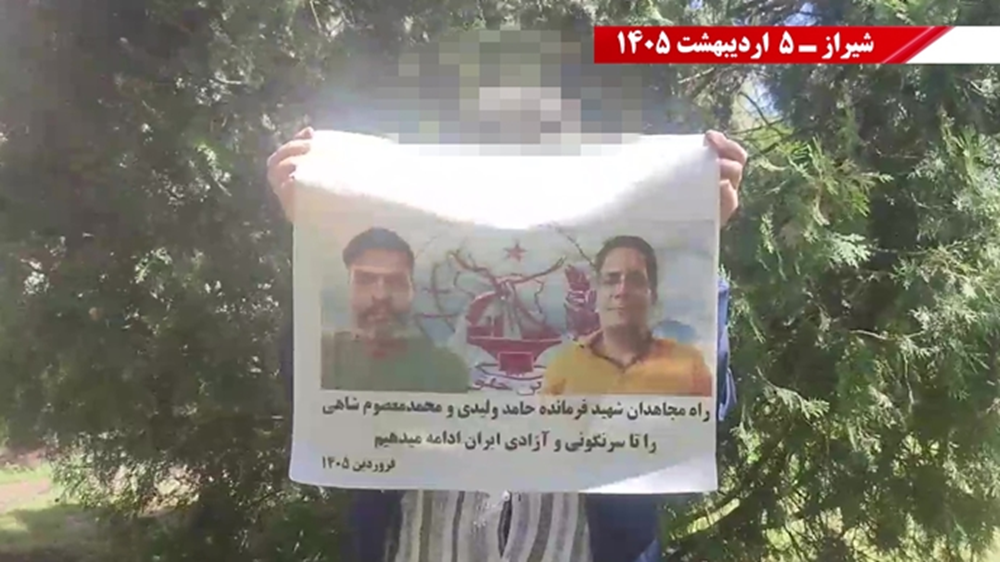
In the wake of the executions, Resistance Units reportedly mobilized across several major cities, organizing symbolic acts to honor the deceased and signal continued opposition.
In Tehran, activists placed a flower wreath commemorating Validi and Massoum-Shahi. Posters and placards bearing their images appeared in public spaces, accompanied by messages pledging to continue their path.
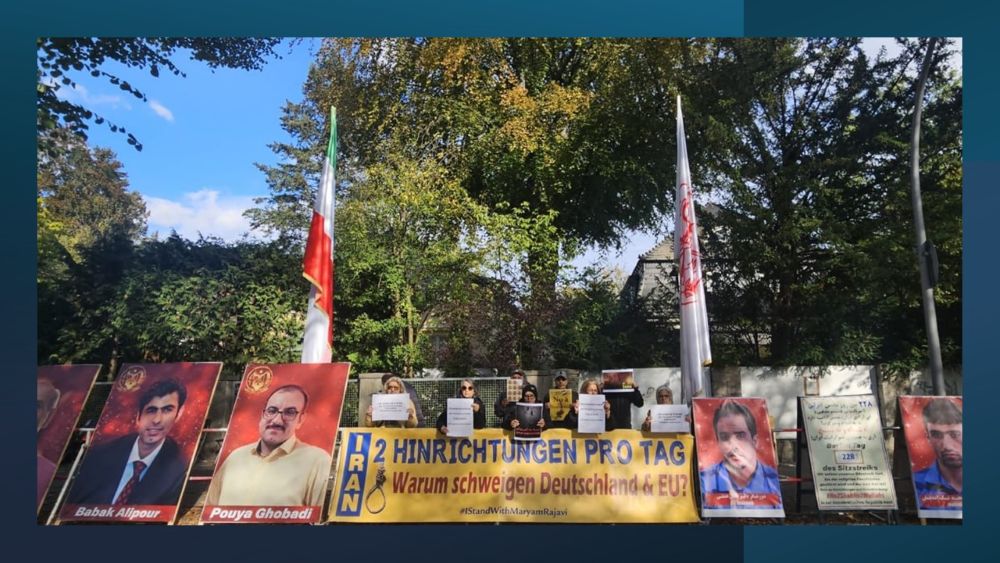
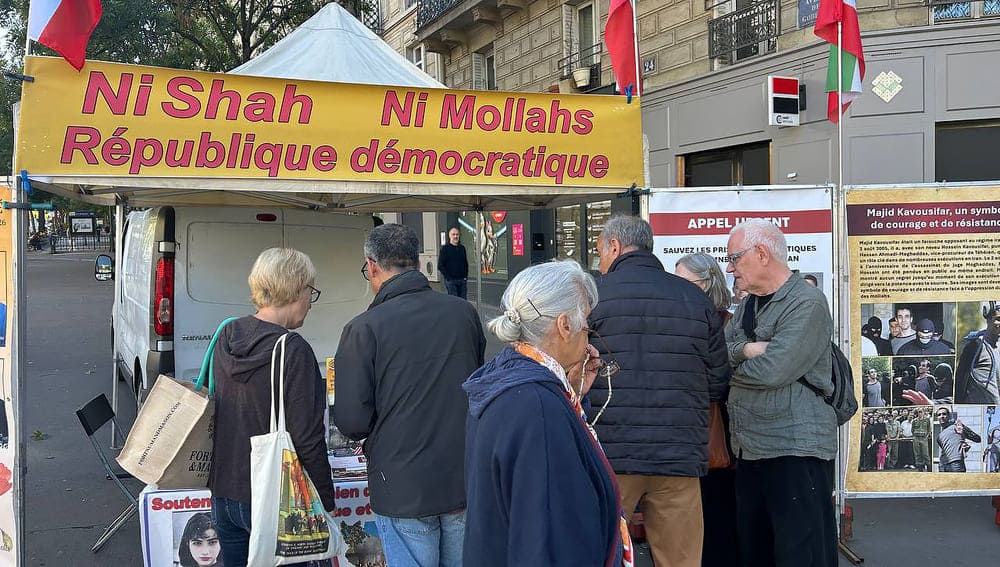
Similar demonstrations were reported in cities such as Shiraz, Karaj, Mashhad, and Kermanshah. Participants displayed photographs of the executed individuals and circulated messages emphasizing perseverance and resistance. These coordinated actions, though limited in scale, reflect a broader pattern of symbolic defiance.
April 25—Iran
Resistance Units commemorate Hamed Validi and Mohammad (Nima) Massoum-Shahi, two PMOI members executed by Iran's regime on April 20. pic.twitter.com/xR0OVvj2uv— People's Mojahedin Organization of Iran (PMOI/MEK) (@Mojahedineng) April 27, 2026
A Regime Under Pressure
The increased use of capital punishment may also point to deeper concerns within the ruling establishment. Analysts suggest that the government views domestic unrest and organized opposition movements as a more immediate threat than external pressures.
Following a nationwide uprising earlier this year, security forces have maintained a heavy presence in urban areas, reportedly to prevent further demonstrations. During that period, opposition groups claimed to have played a role in sustaining protests and confronting state institutions.
At the same time, reports indicate growing pressure on political prisoners. Legal processes have been accelerated in some cases, with allegations of forced confessions, torture, and expedited sentencing. At least 11 individuals accused of links to opposition groups are currently believed to be facing execution.
An Uncertain Path Forward
Despite the escalating crackdown, resistance networks continue to operate, and public dissatisfaction remains visible. The executions, rather than silencing dissent, appear to have reinforced the determination of some segments of society—particularly younger Iranians.
Whether these developments will lead to broader political change remains uncertain. What is clear, however, is that the current strategy of repression has not eliminated opposition. Instead, it has underscored the ongoing tension between a state seeking to maintain control and a population that continues to express demands for political and social transformation.